Longchamp art collaboration bag: Tips for unique pieces
"Art manifests not just on a canvas, but through the tactile evolution of objects that bridge the gap between utility and aesthetic expression."
The unique design value of a Longchamp bag often stems from its ability to merge practical leather craftsmanship with visionary creative partnerships. Through strategic collaborations, the brand transforms functional accessories into wearable art pieces that capture contemporary cultural moments.
This article explores how these artistic intersections drive design innovation and how such creative synergy defines the modern luxury landscape.
Key takeaways: * Artistic collaborations elevate functional leather goods into unique design statements. * Creative partnerships allow brands to tap into contemporary visual languages. * The intersection of art and fashion creates lasting value through innovation.
How does an artistic vision transform a bag?
An artist walks into a studio, surrounded by sketches and raw materials, looking for a way to translate a static image into a three-dimensional form. This process of translation is where a Longchamp bag collaboration begins, turning a standard silhouette into a canvas for expression.
The goal is to move beyond simple decoration to achieve a cohesive design language.
A Longchamp art collaboration bag represents the result of this intense creative friction. When a brand meets modern art, the objective is to challenge traditional notions of what a luxury accessory should look like.
Instead of purely following trends, the design team works to integrate specific artistic motifs into the structural integrity of the leather.
The process of integrating an artist's vision into a leather product evolution requires a careful balance of texture and color. A designer might look at a sculpture and realize that the curves of a handle can mimic the organic lines of the work.
This type of creative synergy ensures that the bag remains functional while possessing a distinct, recognizable soul.
An artistic vision breathes life into a functional object, turning a simple accessory into a canvas of expression. This transformation shifts the focus from mere utility to emotional resonance and aesthetic storytelling.
How is each unique bag actually made?
At the workbench during dawn, the craftsman pulls the heavy strap of a longchamp bag through a loop with a sharp, rhythmic tug. A designer sits at a drafting table, tracing the outlines of a new collection while considering how light hits a specific leather grain. They are not just making a bag; they are building a vessel for a concept.
The collaboration requires a dialogue between the heritage of the brand and the radical ideas of the guest artist.
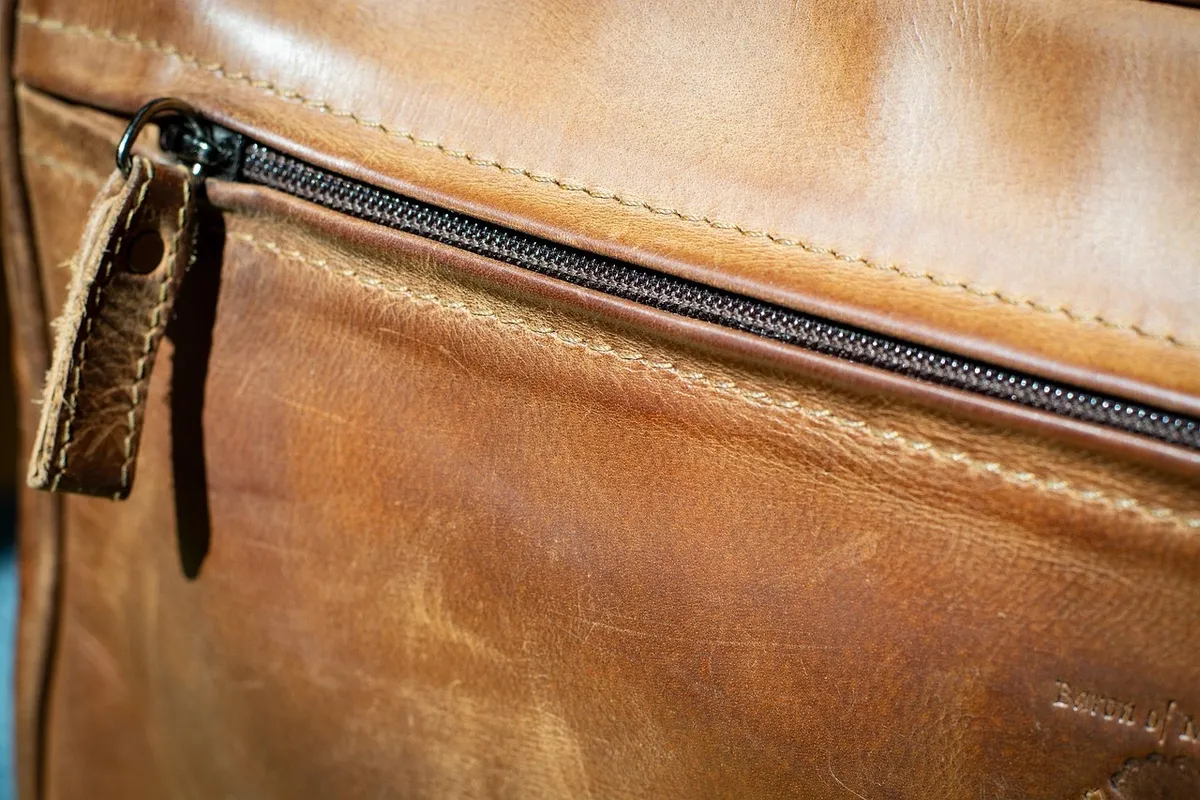
In a true unique bag creation, the artist's perspective provides the spark that disrupts standard manufacturing patterns. This isn't merely about printing a pattern on a surface; it is about rethinking the very shape or material of the accessory.
This approach allows the brand to maintain its identity while offering something entirely fresh to the collector.
This specific intersection of artist vision in luggage ensures that the final product feels intentional. By treating the bag as a sculptural object, the brand can explore new dimensions of luxury.
This method ensures that the design remains timeless yet feels grounded in the specific era of its creation.
- Conceptualization of the artistic theme.
- Selection of premium materials to support the vision.
- Execution of intricate design details.
How does brand meets modern art impact design?
A curator walks through a gallery, observing how different mediums interact, much like a brand director evaluates a new collaborative concept. The tension between the permanence of leather and the ephemeral nature of modern art creates a unique tension.
This tension is often what drives the most successful design breakthroughs.
When brand meets modern art, the result is often a departure from the expected. This process pushes the boundaries of traditional craftsmanship, forcing designers to find new ways to apply artistic concepts to durable materials.
It turns a commercial product into a conversation piece that reflects the current zeitage.
The luxury collaboration bag becomes a bridge between the museum and the street. By blending these worlds, the brand secures a place in the cultural dialogue. This strategy helps in maintaining relevance in a rapidly changing fashion market where consumers seek more than just a logo.
In this sequence, the second step is the most extensive.
How do I successfully integrate art? A workshop technician prepares a piece of high-quality leather, ensuring it is ready for the unique requirements of an upcoming project. The team prepares for a series of tests to see how the artistic elements will hold up against daily use.
They must ensure that the art does not compromise the durability that customers expect.
To achieve a successful integration, the following steps are typically followed:
- Concept Alignment: The artist and the design team identify a shared visual language that respects both the brand's heritage and the artist's unique style. 2. Material Experimentation: Designers test how different textures, such as embossed leathers or specialized hardware, can represent the artistic theme. 3. Prototyping and Refinement: Multiple versions of the bag are created to ensure the artistic elements are integrated into the structure rather than just applied to the surface.
After the prototype is finished, a final check is performed to ensure the bag meets all quality standards and functional requirements. This ensures that the artistic expression does not hinder the practical use of the accessory.
Successful integration requires balancing bold creative elements with the practical ergonomics of a wearable item. The goal is to ensure the art enhances the bag's usability rather than complicating it.
Can these designs be applied to existing collections?
A manager reviews the current inventory, looking for ways to expand the brand's reach through special editions. They consider how a limited edition piece might complement the permanent collection. This strategic planning is essential for maintaining brand consistency while introducing novelty.
In some cases, an existing condition of a brand's lineup allows for these artistic elements to be applied to established silhouettes. This makes the transition easier for loyal customers who recognize the shape but are drawn to the new aesthetic.
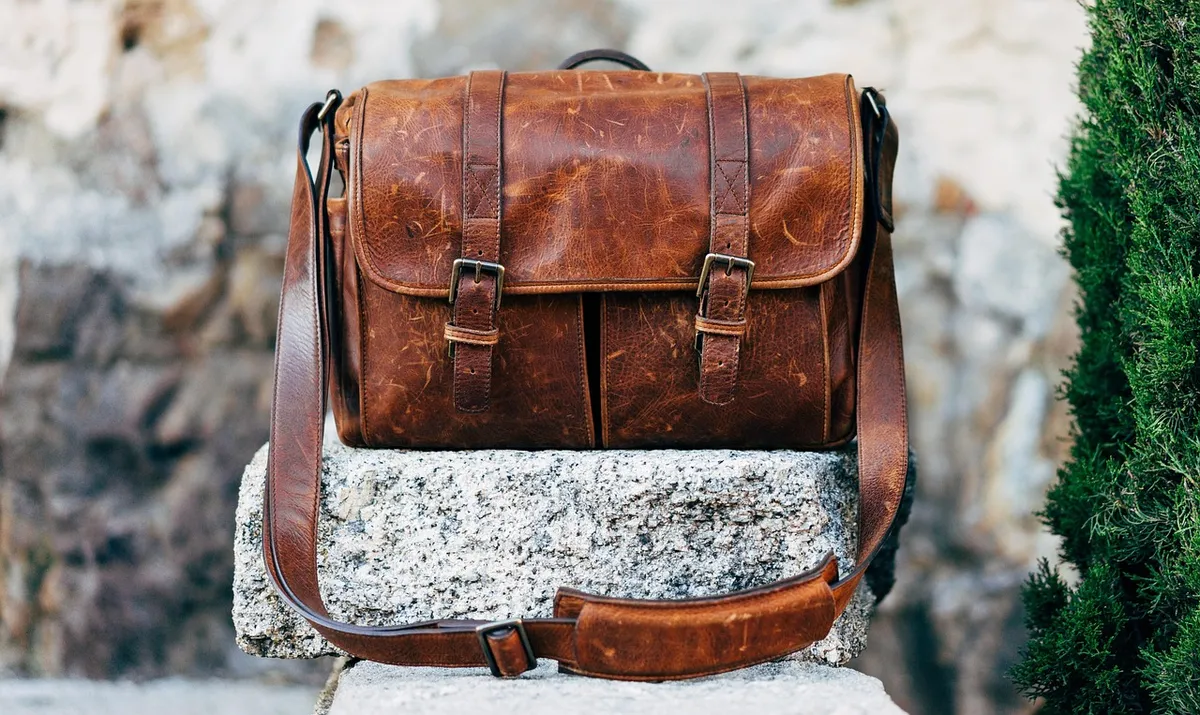
It allows for a controlled expansion of the brand's visual identity.
| Feature | Standard Collection | Artistic Collaboration |
|---|---|---|
| Primary Focus | Utility and Brand Heritage | Artistic Expression and Innovation |
| Target Audience | Daily Users | Collectors and Art Enthusiasts |
I observed how a single inspired handle design could change the entire perception of a classic silhouette during a prototype review. This comparison shows that while the base remains familiar, the artistic touch creates a new level of engagement.
The limitation of these collaborations is that they are often limited by the specific artistic concept and may not appeal to those seeking purely traditional designs.
Yes, these artistic elements can be adapted as limited edition capsule collections or integrated into core lines to refresh the brand's visual identity.
Related

Comments 0