Plastic bag regulation impact: How to guide change
Plastic bag regulation impact is often measured by the significant drop in single-use consumption following policy implementation. These changes usually involve fees, bans, or thickness restrictions to drive consumer shifts.
This analysis explores how various legislative tools work, the effectiveness of different fee structures, and the challenges of local versus national enforcement.
How does a plastic bag ban usage decrease occur?
A shopper stands at a checkout counter, reaching for a reusable tote instead of a thin plastic carrier. This shift in behavior is the primary goal of environmental legislation.
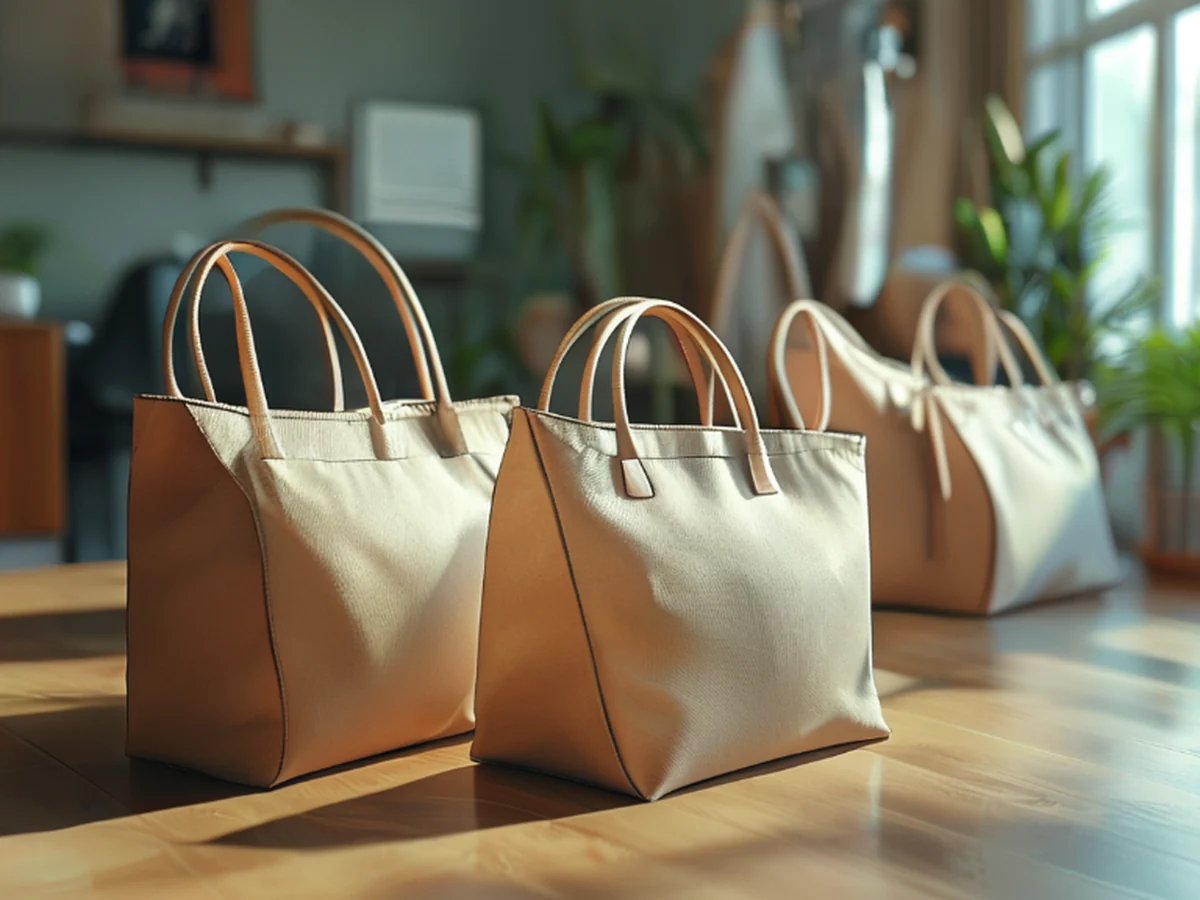
The effectiveness of these policies varies depending on the mechanism used.
This targeted approach addressed specific types of waste that are difficult to manage.
In some regions, the transition happened rapidly due to sudden availability changes. In Ireland, the introduction of a €0.15 levy on plastic bags in 2002 led to a 90% reduction in usage within weeks, with the policy receiving widespread public support.
Such sharp declines demonstrate how even small financial incentives can alter consumer habits almost overnight.
What are the global plastic bag policy stats? Plastic bag regulation impact
An official stares at a glowing screen in a quiet office while reviewing the global decline of plastic waste.
A government official reviews a spreadsheet of waste reduction data across different jurisdictions. The numbers reveal a wide spectrum of success and varying levels of public adoption.
Different countries have utilized unique methods to achieve plastic bag reduction.
This variety shows that while methods differ, the downward trend in usage is a common outcome of intervention.
Some policies focus on specific retail environments to manage the transition.
From 2016, the Environment Ministry obliged retailers in 23 cities across the archipelago (mini-markets, hypermarkets, and supermarkets) to charge consumers between Rp.200 and Rp.5,000 for each plastic bag, including degradable plastic bags.
These localized charges ensure that the cost of waste is felt at the point of sale.
How can we see a disposable bag reduction in practice?
Late at night in the empty grocery store, the customer feels the heavy weight of a reusable bag instead of picking up a flimsy plastic one.
A consumer compares the cost of a single-use bag against a durable alternative at a grocery store. This micro-level decision reflects the macro-level success of environmental rules.
The scale of impact can be massive when national-level changes are implemented.
By December 2018, the National Retail Association estimated that plastic bag consumption fell by 80% nationwide as a result of the major supermarket withdrawal of free bags, leading to 1.5 billion fewer bags entering the environment.
This massive reduction highlights the power of coordinated retail shifts.
However, not all attempts at regulation move forward smoothly. Two attempts by the City of Fremantle in 2013 and 2015 to introduce a citywide plastic bag ban were blocked through disallowance motions moved in the Western Australian Legislative Council.
These instances show that political and legal hurdles can prevent local environmental goals from being realized.
What are the implications of environmental bag rules?
A citizen walks through a park, noticing the absence of plastic litter on the ground. The visual change is a direct result of successful waste management policies.
In Kenya, a 2017 ban on plastic bags received favorable support from approximately 67% of consumers, who reported increased use of reusable bags and perceived improvements in cleanliness and waste management.
This suggests that public perception of cleanliness is a significant driver for policy acceptance.
The success of these rules also depends on the specific thickness of the products being regulated. In 2003, a Code of Practice for the Management of Plastic Bags was signed between the Environment Protection and Heritage Council (EPHC) and the Australian Retailers Association.
Such agreements between oversight bodies and industry players help create a standardized framework for managing plastic waste.
How do we quantify bag policy success?
A researcher tallies the volume of waste collected in a municipal landfill. The data provides a clear picture of how much plastic has been diverted from the environment.
According to the Association estimated that plastic bag consumption, the National Retail Association estimated that plastic bag consumption fell by 80% nationwide by December 2018 due to the major supermarket withdrawal of free bags, resulting in 1.5 billion fewer bags entering the environment.
Comparing different regions allows for a better understanding of how different pressures affect consumption. While some areas see massive drops, others face challenges with consistency.
For example, in Sweden, the repeal of a tax on single-use plastic bags in 2024 raised concerns about potential increases in plastic consumption, despite the tax's prior success in reducing usage by 75% between 2020 and 2021.
The ability to achieve these results often depends on the strength of the mandate. In some cases, the goal is to target specific types of materials to prevent them from entering the ecosystem.
- How does a plastic bag ban usage decrease occur?
- What are the global plastic bag policy stats?
- How can we see a disposable bag reduction in practice?
The subject here is Plastic bag regulation impact.
This part also covers Global bag ban effectiveness.
This part also covers Consumer shift plastic bags.
This part also covers Quantifying bag policy success.
Global bag ban effectiveness
Related




Comments 0