Reusable bag hygiene tips guide for food safety
"The safety of the items we carry is often as important as the items we consume."
Why is reusable bag hygiene tips important for food safety?
A shopper walks through a grocery aisle, placing fresh produce directly into a fabric tote. The soft texture of the bag holds onto invisible residues from previous trips.
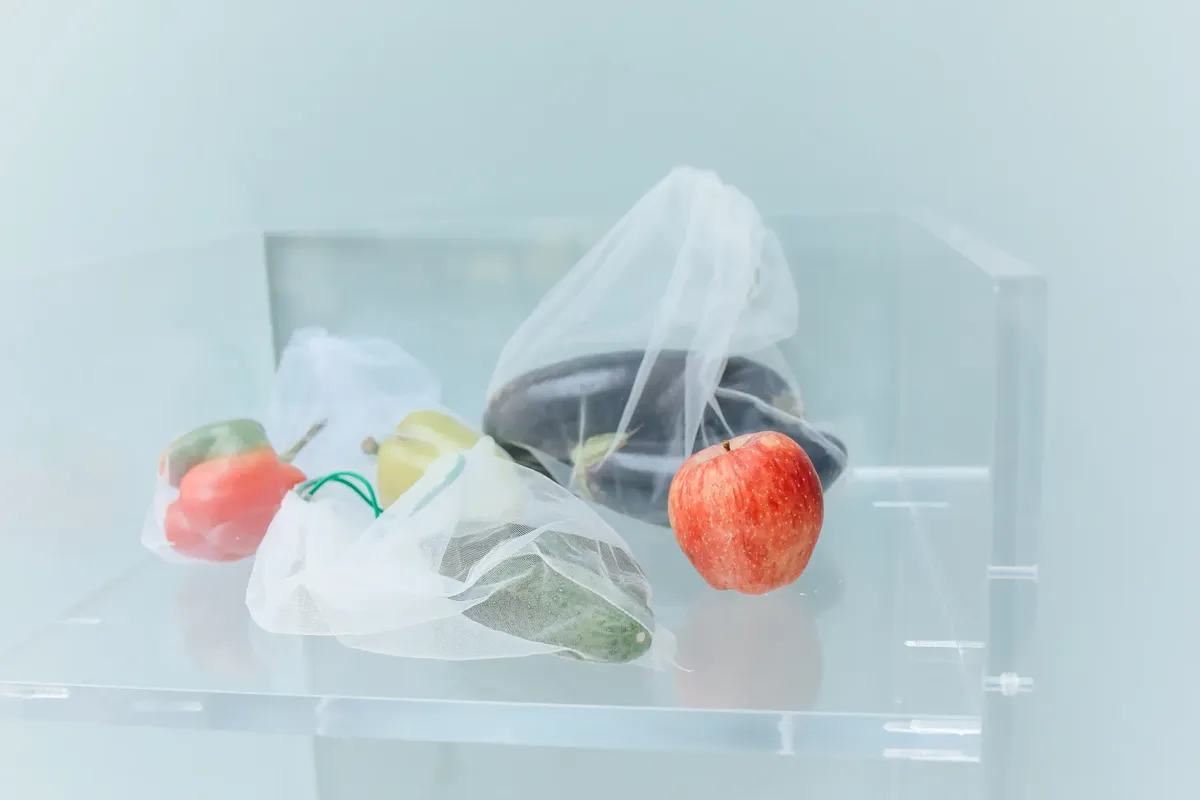
Understanding the link between bag cleanliness and food safety is essential for every household. Improperly cleaned bags can harbor bacteria that transfer to food surfaces. When managing food safety with reusable bags, one must consider both biological contaminants and chemical residues.
This historical context highlights why regular bag washing for safety is a necessary habit.
If bags contain heavy metals or trapped organic matter, they can compromise the integrity of the food they carry.
How can you manage bag washing for safety?
Standing at the kitchen sink, he scrubs the stained canvas of his reusable bag until the warm water turns murky.
A person stands at a laundry sink, scrubbing a heavy-duty canvas bag with soap and warm water. The water runs cloudy as dirt is lifted from the fibers.
Effective cleaning depends on the material of the bag and the type of food it carries. To keep your items safe, follow these practical steps:
- Sort bags by material to ensure you do not damage delicate fabrics or lose structural integrity. 2. Wash fabric bags in a washing machine with mild detergent, or hand-wash heavy-duty totes to prevent fraying. 3. Air-dry all bags completely in a well-ventilated area to prevent mold growth.

I personally find that checking the bottom of the bag for crumbs or moisture after every trip helps prevent buildup. Using the best way to sanitize tote bags often involves checking if the material can handle heat or if it requires gentle hand-washing.
What are the risks of improper bag care?
An individual opens a reusable bag to find a damp, slightly musty smell lingering inside. They realize the bag was packed while still wet from a previous wash.
Failure to clean bags can lead to several health-related concerns. If bags are used for both raw meat and produce, cross-contamination becomes a significant risk.
| Risk Factor | Potential Impact |
|---|---|
| Biological Contamination | Transfer of bacteria to fresh food |
| Chemical Residue | Exposure to lead or other substances |
A primary concern involves the presence of heavy metals in older or low-quality materials. Because some reusable products have been flagged for lead levels, you must be vigilant about the quality of the materials you use.
How to handle specific food-related bag issues?
A cook prepares a meal, using a clean bag to carry fresh vegetables from the market to the kitchen. The vegetables are placed directly onto the counter.

When you carry low-acid foods, the cleanliness of your transport method matters even more. While the bags themselves are not the food, they act as the primary interface between the store and your kitchen.
If you are carrying items that require specific temperature controls, ensure the bags are clean and dry. For example, if you carry items that are sensitive to temperature, a clean bag prevents the buildup of organic matter that could interfere with thermal stability.
What are the limitations of certain bag materials?
A person examines a plastic-coated bag, noticing that the surface is slightly peeling at the edges. They wonder if it is safe to wash in hot water.
Not all bags can be cleaned using the same methods. Some materials are prone to degradation when exposed to harsh detergents or high temperatures.
A limitation exists when using bags made of certain synthetic materials that cannot withstand high-heat sterilization. If a bag is not designed for high temperatures, attempting to sanitize it through heat may cause it to break down or release chemicals.
Wikipedia: Canning

- Maintaining reusable bag hygiene tips involves regular cleaning to prevent cross-contamination and chemical exposure.
- This guide covers how to clean shopping bags to ensure they do not become a source of contamination, provides insights on food safety with reusable bags, and offers a comparison of safety concerns.
- You should focus on regular washing, avoid lead-contaminated materials, and understand that certain materials may not withstand high-heat sterilization.
The subject here is Reusable bag hygiene tips.
The same subject is also called Reusable bag care guide.
This part also covers Proper washing for grocery bags.
Best way to sanitize tote bags
Related
- Origanosa leather uses how to maximize longevity of leather
- Chanel Flap Bag How to Choose Durable Leather for Daily Use
How do chemical residues compare to biological contaminants in bag safety? Chemical residues, such as lead, represent a structural risk inherent to the materials used in the bags, whereas biological contaminants are typically introduced through improper handling and moisture retention.
- Chemical residues, like those found in older or low-quality materials, pose a danger because they are trapped within the fabric or coating. 2. Biological contaminants, conversely, pose a danger when organic matter or bacteria from previous contents remain on the surface of the bag.
When managing food safety with reusable bags, understanding this distinction is crucial for addressing both the material quality and the cleaning procedure.
What specific conditions increase the risk of cross-contamination? Cross-contamination increases when the bags are used sequentially for items with different risk profiles, such as raw meat and fresh produce.
- The transfer of bacteria to fresh food surfaces happens when bags are not thoroughly cleaned after carrying raw items. 2. Using a bag for low-acid foods requires extra vigilance regarding its cleanliness to maintain the integrity of the items.
If you are carrying items that require specific temperature controls, the presence of organic matter from prior contents can compromise thermal stability, even if the bag appears clean.
To manage bag washing for safety, the procedure of sorting bags by material is necessary to ensure that the structural integrity of the items carried is not compromised by improper cleaning methods.
Wikipedia: Reusable shopping bag







Comments 0