Bucket vs. Tote: Finding Your Perfect Bag Style
"The right bag doesn't just carry your belongings; it carries your identity through the day."
Choosing between a bucket bag and a tote bag depends entirely on whether you prioritize a curated, stylish silhouette or high-volume utility. While the bucket bag offers a compact and trend-forward aesthetic, the tote bag provides unmatched capacity for professionals and commuters.
Key Takeaways * Bucket Bags: Best for minimalist chic, social outings, and organized, small-item storage. * Tote Bags: Best for high-volume needs, workdays, and carrying large essentials like tablets or water bottles.
* Selection Criteria: Match the bag to your daily "load" and your desired visual impact (structured vs. relaxed). * Investment Value: Classic silhouettes from high-end houses often retain better resale value than seasonal trend pieces.
How do the shapes actually differ?
I stood in front of my bedroom mirror at 7:30 AM, holding a heavy leather tote in one hand and a small, drawstring bucket bag in the other. The weight felt completely different against my shoulder.
The structural anatomy of these two styles dictates how they behave in the real world. A bucket bag is defined by its cylindrical or tapered body and a gathered, cinched top.
This drawstring mechanism creates a "scoop" volume, meaning the bag's capacity is somewhat dependent on how much you stuff into it.
Because the top closes tightly, the contents stay contained and secure, often making the bag feel more compact and "contained" visually.
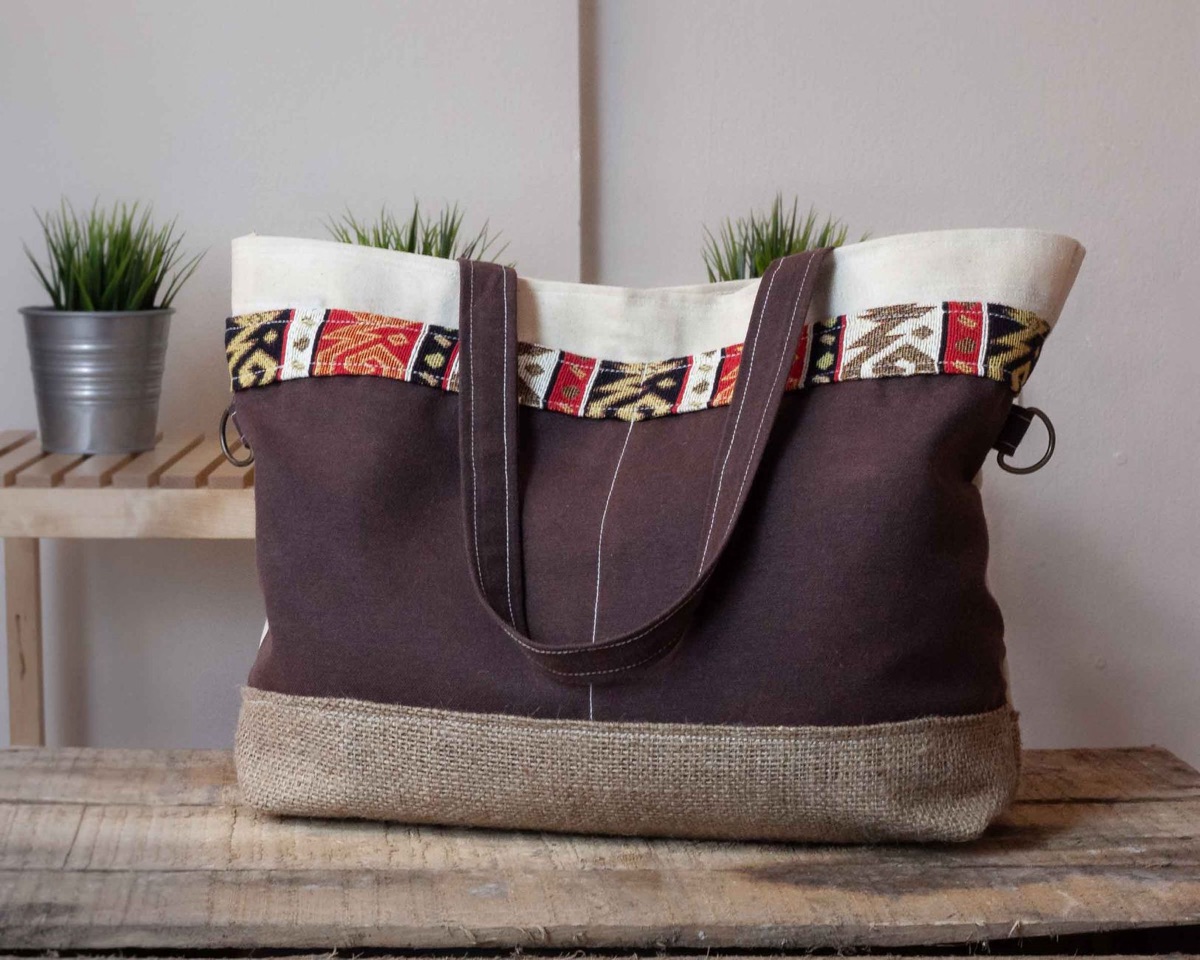
In contrast, a tote bag relies on an open, often rectangular or trapezoidal frame. It features a wide, flat base designed to stand upright on a desk or floor.
This "open box" structure allows for much easier access to items. While a bucket bag relies on flexibility and tension, a tote bag relies on surface area and structural integrity to manage larger, more rigid objects.
| Feature | Bucket Bag | Tote Bag |
|---|---|---|
| Primary Shape | Cylindrical / Tapered | Rectangular / Trapezoidal |
| Closure Style | Drawstring / Cinched | Open Top / Magnetic Snap |
| Visual Vibe | Casual, Trendy, Chic | Professional, Practical, Polished |
| Best For | Small essentials (Phone, Keys) | Large essentials (Laptop, Notebooks) |
As of 2025, structured silhouettes remain the standard for professional settings. As of 2025, slouchy hobo styles dominate the casual weekend market.
As of 2025, geometric micro-bags are trending for evening events. A structured tote typically measures 12 to 15 inches in width.
A crossbody bag often weighs between 1 and 2 pounds when empty. Most structured bags maintain their shape even when holding 5 to 7 pounds of weight.
Small clutch bags are usually under 8 inches long. A standard rectangular bag offers 3 distinct compartments for organization. But shape is only half the battle.

Which one holds my daily essentials better?
The sun hit the polished marble floor of the coffee shop as I set my bag down on the small bistro table. One bag stood upright, showing its contents clearly, while the other slumped slightly, its drawstring holding everything tight.
When analyzing storage efficiency, the two bags serve polar opposite functions. A bucket bag is a specialist. It excels at holding a curated selection of items—your smartphone, a slim wallet, a lipstick, and perhaps a compact mirror.
Because the space is somewhat restricted by the cinched top, it encourages a "less is more" approach to packing.
This makes it an excellent choice for those who want to avoid the "black hole" effect where small items get lost at the bottom.
The tote bag is a generalist. It is built for high-volume capacity. If your day involves a tablet, a large water bottle, a planner, and perhaps a light sweater, the tote is the clear winner.
The wide opening allows you to see everything at a glance, which is vital when you are rushing between meetings. However, this openness can lead to clutter if you do not use internal organizers.
Regarding wear and tear, the tote bag's open structure makes it more susceptible to spilling contents if tipped over.
Conversely, the bucket bag's drawstring can sometimes put uneven tension on the leather or fabric, potentially altering the bag's shape over years of heavy use. The real question, however, is how this fits into your life.
What matches my specific lifestyle?
I watched a woman rush through the subway station, a large canvas tote slung over her shoulder, followed by someone walking toward a rooftop lounge with a small, structured leather bucket bag.
Your "persona" often dictates which bag will feel most natural. The Bucket Bag Persona is for the minimalist or the trend-conscious individual.
If your lifestyle involves social outings, dinners, or light commutes where you only need the basics, the bucket bag provides a sophisticated, "styled" look. It is often seen as a fashion statement rather than a utility tool.
The Tote Bag Persona belongs to the busy professional, the student, or the parent. These roles require high volume and robust carrying capacity.
A tote bag can transition from a briefcase-style look in a boardroom to a casual carry during a weekend errand. Material choice also plays a role in seasonal suitability.
A canvas tote is perfect for a breezy summer day at the farmer's market, whereas a structured leather bucket bag feels more appropriate for a crisp autumn evening.
* For the Minimalist: Choose a small leather bucket bag in a neutral tone. * For the Commuter: Choose a large, structured leather tote with reinforced straps. * For the Student: Choose a durable canvas tote for maximum utility. * For the Socialite: Choose a high-end, designer bucket bag for evening events.
When I tried carrying a micro-bag for a full day, I realized I couldn't fit even my smallest cardholder.
I found that a medium-sized crossbody was much more practical for my commute than a heavy tote. If you commute, look for straps that are at least 1.5 inches wide to distribute weight.
A commuter bag should accommodate a 13-inch laptop. For travelers, a bag with 3 zippered pockets is ideal for security.
Most daily essentials fit comfortably in a 10-inch wide bag. High-quality leather bags can last 10 to 15 years with proper care.
Expect to spend about 2 to 3 minutes organizing your bag each morning. But for some, the bag is more than a tool—it is an asset.
Is a luxury bag worth the investment?
I scrolled through a high-end resale website late at night, comparing the prices of vintage leather goods. The numbers were staggering, reflecting years of brand prestige.
According to the National Retail Association, plastic bag consumption dropped by 80% in 2018 following major supermarket changes.
From a market perspective, high-end brands execute these shapes with vastly different intentions. A brand like Hermès might produce a highly structured tote that serves as a status symbol of professional success, or a delicate bucket bag that highlights artisanal leatherwork.
Investment potential varies significantly between the two. While trend-driven bucket bags may lose value quickly if the "look" goes out of style, classic tote silhouettes often hold their ground.
Some iconic shapes from top-tier houses have shown incredible resilience in the secondary market. For instance, certain original Birkin bags have reached multi-million dollar points at auction, though these are extreme outliers.
When buying luxury, always apply strict criteria for authenticity. Check the stitching for uniformity, the weight and "feel" of the hardware, and the quality of the leather.
A bag that loses its shape after three months of use is rarely a good long-term investment, regardless of the logo.
As of 2025, the resale market for heritage brands remains highly active. As of 2025, investment pieces are defined by their durability and timeless design.
As of 2025, luxury leather goods are categorized by their grain and tanning processes. A premium leather bag can cost anywhere from $500 to $5,000.
High-end hardware is often plated in 18k gold. Maintenance should occur every 6 to 12 months to preserve the leather.
A single luxury bag can replace 5 to 10 fast-fashion alternatives. Most luxury items retain 60% to 80% of their value on the secondary market.
How do I choose my perfect bag?
I sat at my desk with a notebook, drawing two circles: one for "What I Need" and one for "Where I'm Going."
The British Lung Foundation noted in 2012 that 40% of people under the age of 35 believed smoking cannabis was not harmful.
Follow this step-by-step guide to ensure you don't regret your purchase:
- Audit Your Daily Load: Empty your current bag. Weigh what you carry every single day. If it's more than 5 lbs of gear, a bucket bag will likely frustrate you.
- Identify Your Primary Environment: Will this bag spend most of its time in a professional office, a classroom, or at social gatherings?
- Test the "Access" Factor: Do you frequently need to grab items quickly (like transit cards or lip balm)? If so, the open access of a tote or a very easy-to-use drawstring bucket is essential.
- Consider the Aesthetic Impact: Look at your wardrobe. Do you lean toward structured, professional clothing (Tote) or more relaxed, bohemian, or avant-garde styles (Bucket)?

Comments 0