Guide: Retailer plastic bag fees for environmental tips
"The cost of a single bag can change the entire shopping experience, shifting a consumer from habit to intention."
Retailer plastic bag fees serve as a tool for environmental change, though their impact on consumer behavior varies by region and regulation. This analysis explores how charging for plastic bags influences retail dynamics and consumer response.
Key takeaways include the role of price sensitivity in driving behavioral shifts, the effectiveness of various tax structures, and the challenges of enforcement in retail environments.
How do retailer plastic bag fees affect consumer behavior?
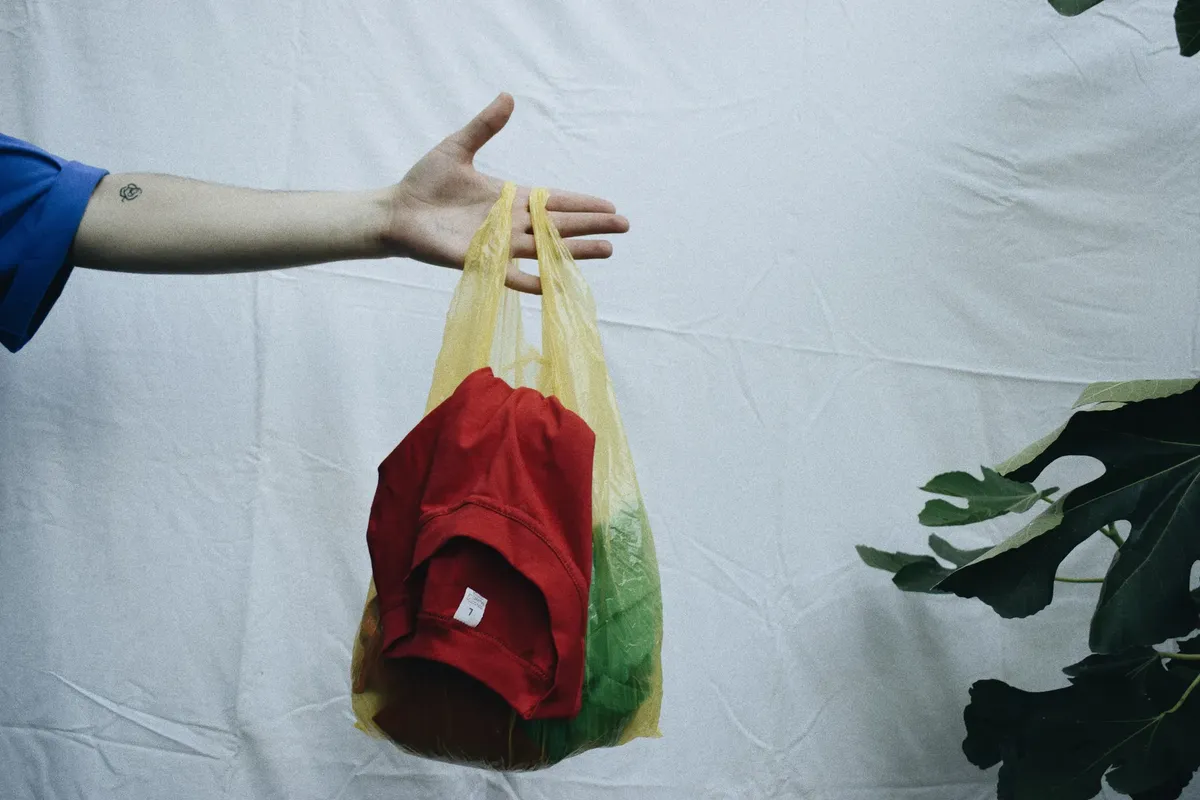
At the checkout counter, a customer reaches for their wallet upon hearing the retailer announce a sudden fee, feeling a slight sting of surprise.
The introduction of a €0.15 levy on plastic bags in Ireland led to a 90% reduction in usage within weeks.
A shopper stands at a checkout counter, reaching for a wallet to cover a small fee for a single plastic bag. This moment represents the intersection of environmental policy and individual economic choice.
Retailer plastic bag fees act as an immediate economic signal that can significantly alter purchasing habits. For instance, in Ireland, the introduction of a €0.15 levy on plastic bags in 2002 led to a 90% reduction in usage within weeks, with the policy receiving widespread public support.
Such drastic shifts demonstrate that even small price adjustments can trigger rapid changes in consumer behavior.
The effectiveness of these fees often depends on the specific regulatory environment and the magnitude of the charge.
In Kenya, a 2017 ban on plastic bags received favorable support from approximately 67% of consumers, who reported increased use of reusable bags and perceived improvements in cleanliness and waste management.
When consumers perceive a clear benefit to their environment, they are more likely to adapt to new shopping routines.
What is the impact of bag fee analysis on global usage?
A traveler walks through a supermarket in a different country, noticing that every bag comes with a small, mandatory surcharge. This consistent global trend highlights the varying success of different regulatory approaches.
A retail bag fee analysis reveals that different regions have seen varying levels of success in reducing plastic waste.
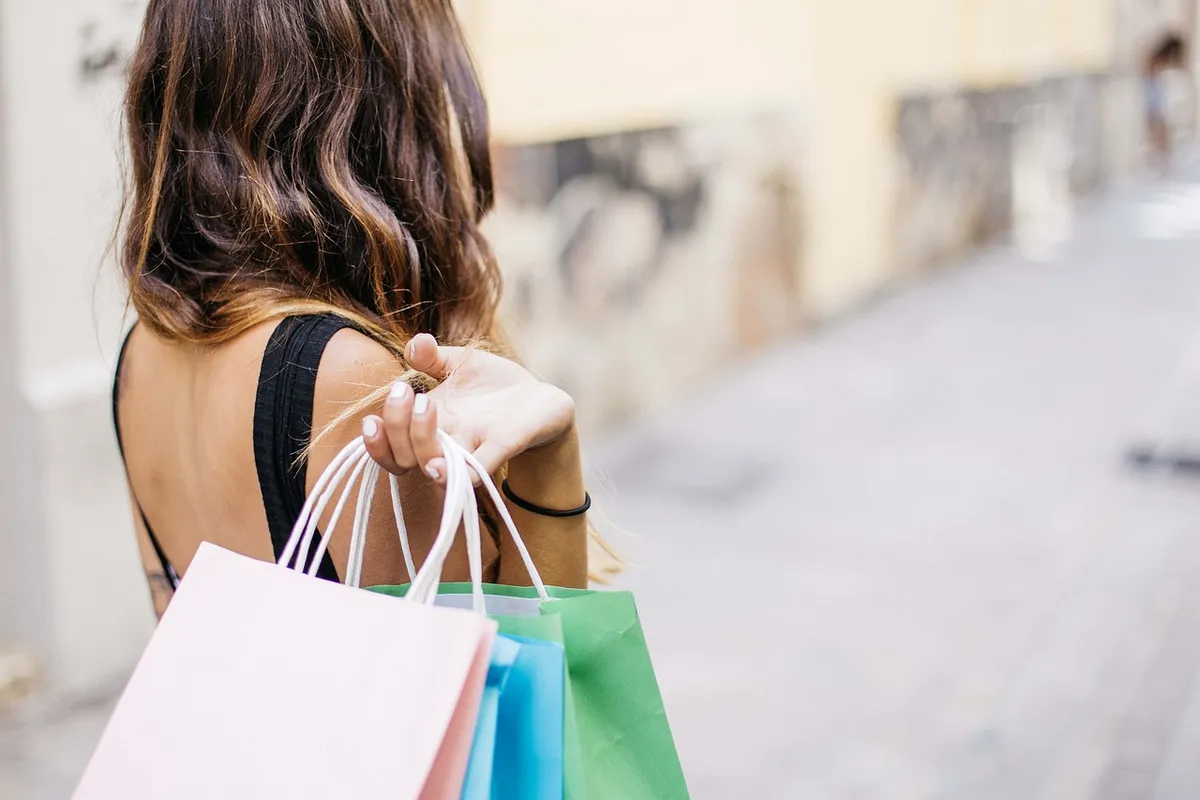
These figures illustrate how much of an impact a well-implemented fee can have on single-use plastic consumption.
Different strategies, such as taxes or outright bans, offer different levels of control over plastic waste. In Uganda, legislation introduced in 2007 sought to ban the sale of lightweight plastic bags under 30 μm thick and tax thicker bags at a punitive rate of 120%.
These targeted measures aim to address specific types of waste while encouraging more sustainable alternatives.
How does a plastic bag pricing strategy influence decision-making?
A customer compares the price of a luxury item to the small fee for a bag, realizing the bag cost feels different in different contexts. This illustrates how pricing psychology plays a role in how fees are perceived.
A plastic bag pricing strategy must account for how consumers perceive value and cost.
In their book, The Strategy and Tactics of Pricing (2002), Thomas Nagle and Reed Holden outline nine "laws" or factors that influence how a consumer perceives a given price and how price-sensitive they are likely to be with respect to different purchase decisions.
These psychological factors are critical when retailers implement fees that might otherwise be seen as an inconvenience.
The scale of the fee can change how much of a deterrent it becomes. For example, the Environment Ministry in certain regions obliged retailers in 23 cities to charge consumers between Rp.200 and Rp.5,000 for each plastic bag, including degradable plastic bags.
This range of pricing ensures that the cost is high enough to encourage reuse but low enough to be manageable for the average shopper.
What are the challenges of retail bag fee implementation?

A store manager reviews audit reports, checking if staff are correctly applying the required fees at the register. Managing these small transactions across thousands of locations presents a significant logistical hurdle.
Implementing these fees requires consistent enforcement across diverse retail landscapes.
In July 2017, Greeners Action, a Hong Kong-based Non-Profit Organisation conducted an undercover operation to inspect 100 retail outlets, and it was found that more than half of them distributed PSBs to customers for free.
Such findings highlight the gap between official policy and actual retail practice.
Regulatory frameworks also provide the legal structure necessary to manage these transitions. In 2006, the Product Eco-Responsibility Bill was introduced to the Legislative Council, providing a legal framework for MPRS.
Without such frameworks, maintaining consistent pricing and enforcement becomes difficult for both retailers and consumers.
How can we apply these findings to existing conditions?
A local business owner looks at the local regulations, deciding whether to transition to reusable bags or stick to the current fee structure. This decision-making process is common in areas where new environmental laws are introduced.
To apply these lessons to a specific retail environment, follow these steps:
- Assess the local regulatory requirements to ensure compliance with mandated fees or bans. 2. Educate customers on the reasons for the fees to maintain positive brand perception. 3. Encourage the transition to reusable bags to minimize the impact on customer experience.
I found that checking the consistency of these fees across different store locations was essential for maintaining transparency.

The effectiveness of these strategies can be limited by existing consumer habits or the lack of affordable alternatives.
For example, in Sweden, the repeal of a tax on single-use plastic bags in 2024 raised concerns about potential increases in plastic consumption, despite the tax's prior success in reducing usage by 75% between 2020 and 2021.
- How do retailer plastic bag fees affect consumer behavior?
- What is the impact of bag fee analysis on global usage?
- How does a plastic bag pricing strategy influence decision-making?
The same subject is also called Plastic bag charge impact.
The same subject is also called Retail bag fee customer response.
This part also covers Impact of bag fees on CX.
This part also covers Customer reaction to bag fees.
Related






Comments 0