Luxury bag guide: How to choose quality leather and design
"True luxury is not found in a price tag, but in the seamless marriage of heritage and craftsmanship that survives the test of time." Finding the perfect designer bag requires balancing personal style with long-term investment value, understanding the nuances of leather quality, and recognizing the iconic silhouettes that define an era.
This guide explores the essential elements of luxury handbag selection, from material durability to the subtle details that signal authenticity.
* Prioritize high-quality leather and hardware for longevity. * Match the bag's silhouette to your daily lifestyle needs. * Understand the resale implications of specific iconic designs. * Learn to identify signature craftsmanship elements.
Why does leather quality dictate the lifespan of a luxury bag?
In the morning I hold luxury and walk through the next step.
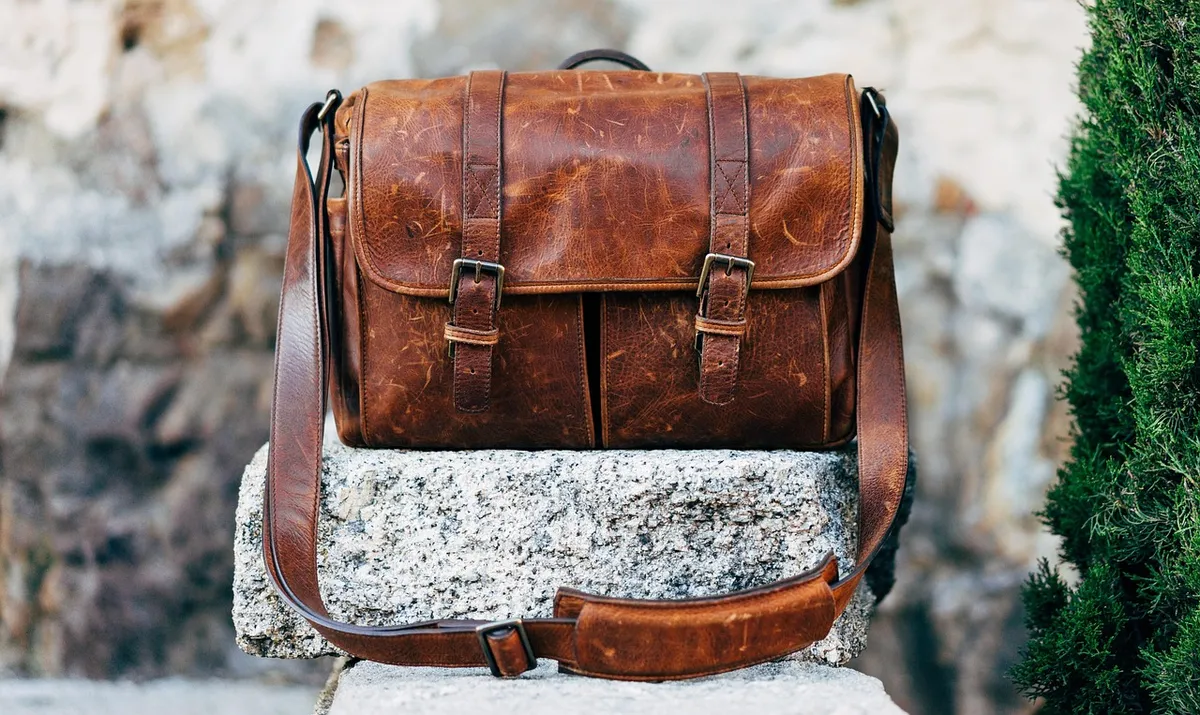
A collector runs a finger over the pebbled grain of a calfskin tote, feeling the weight and the tension of the stitching. Selecting a bag often begins with this tactile reality, as the material determines how the piece will age over years of use.
The longevity of a luxury item is primarily driven by the grade of leather used and the tanning process. High-end houses often use full-grain leathers, which retain the natural texture and strength of the hide, allowing a patina to develop beautifully over time.
Unlike corrected-grain leathers that are sanded down to remove imperfections, full-grain options offer a depth of character that improves with age.
When shopping, you should consider how different leathers react to environmental factors. For instance, structured box calf leather offers a sharp, formal look but is highly susceptible to scratches, whereas grained leathers like Togo or Epsom are much more resilient for daily errands.
Choosing the right material ensures that your investment remains a functional piece of art rather than a fragile heirloom that stays locked in a closet.
Understanding the distinction between different leather types helps in making a choice that fits your specific lifestyle.
Superior hides possess a tighter grain structure and higher natural oil content, which prevents cracking and peeling over time. While lower-grade leathers may lose their shape or peel under stress, premium full-grain leather develops a unique patina, becoming more resilient and visually characterful with years of use.
How do iconic silhouettes maintain their value?
In the evening I hold luxury and walk through the next step.
Walking through a bustling metropolitan terminal, a traveler reaches for a classic flap bag, its gold-toned hardware catching the light against a dark wool coat. Iconic shapes are more than just trends; they are the structural benchmarks of the luxury industry.
Certain designs become "classics" because their proportions and utility remain relevant regardless of changing fashion seasons. These silhouettes often feature a specific geometry that is instantly recognizable, such as a structured trapezoid or a soft, slouchy hobo shape.
Because these designs are consistently produced, they hold a stable value in the secondary market, acting as a hedge against inflation.
A classic silhouette usually balances several key factors: 1. Proportional harmony between the body of the bag and its handles. 2. A hardware placement that complements the bag's closure. 3. A size range that accommodates modern essentials without losing its shape.
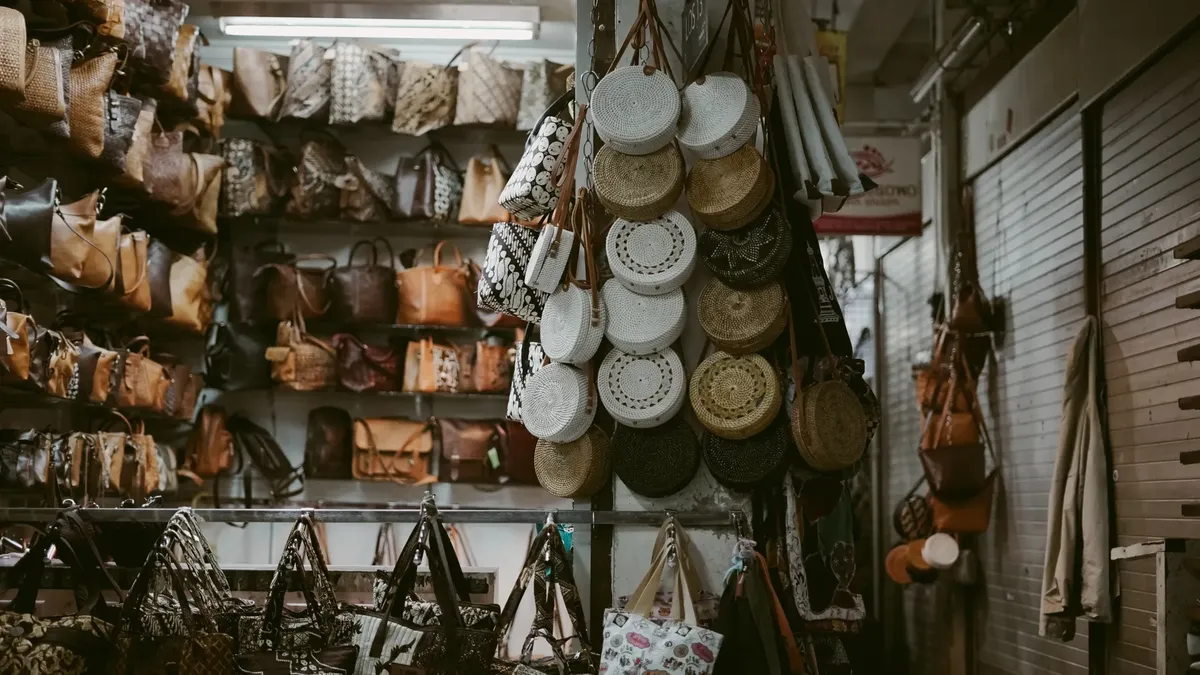
I once spent an entire afternoon in a boutique comparing the weight of different structured bags to see which would hold its silhouette after months of use. I found that the most enduring shapes are those that do not rely on heavy internal reinforcements to stay upright.
The relationship between timeless design and market stability is a cornerstone of smart luxury acquisition.
Timeless designs rely on balanced proportions and versatile shapes that transcend fleeting fashion trends. By focusing on architectural integrity rather than seasonal whims, these silhouettes remain relevant across different eras, ensuring consistent demand among collectors.
What role does hardware play in the aesthetic of a handbag?
The sun glints off a heavy brass clasp as a woman secures her crossbody bag before stepping into a taxi. Hardware is often the most visible element of a bag, serving as both a functional fastener and a primary decorative feature.
Hardware serves as the "jewelry" of the handbag. It can define the entire mood of a piece, shifting it from casual to formal.
High-quality hardware is typically made from solid brass or gold-plated metals, which provides the necessary weight and prevents the peeling or tarnishing seen in cheaper alternatives.
The color of the hardware—gold, silver, or gunmetal—often dictates the color palette of the leather it is paired with.
When evaluating a bag, look closely at the junction where the hardware meets the leather. In premium craftsmanship, the metal is often integrated into the structure or secured with reinforced stitching to prevent loosening.
A heavy, well-fitted clasp provides a sense of security and a satisfying tactile click that signifies quality.
| Feature | Structured Tote | Soft Hobo |
|---|---|---|
| Primary Material | Firm Calfskin | Supple Lambskin |
| Hardware Style | Bold, Geometric | Minimalist, Tucked |
| Best Use Case | Professional/Office | Casual/Weekend |
Choosing between these styles depends on whether you prioritize a sharp professional image or a relaxed, effortless look.
Hardware serves as the jewelry of a handbag, providing focal points that define its personality. Whether it is the weight of solid brass or the luster of polished gold, high-quality metalwork adds a sense of structural permanence and visual sophistication to the design.
How can you identify genuine craftsmanship in a sea of mass production?
A craftsman sits at a wooden workbench, carefully aligning the edge paint of a leather strap with a precision tool. For the discerning buyer, the difference between a luxury item and a high-street imitation lies in the invisible details of construction.
Authentic luxury is defined by meticulous attention to detail, particularly in areas that are not immediately obvious. This includes the way edges are hand-painted (edge glazing), the precision of the saddle stitching, and the internal reinforcement of the bag's structure.
Hand-stitching, for example, uses a slanted thread pattern that is distinct from the perfectly straight, uniform lines produced by a sewing machine.
To check the quality of a bag's construction, you can perform these simple checks: 1. Inspect the stitching: Look for even tension and no loose threads or overlapping stitches. 2. Feel the edges: Ensure the edge paint is smooth, even, and not peeling away from the leather. 3.
Check the lining: The interior should be as well-finished as the exterior, with no raw edges visible.
I remember looking at the underside of a luxury handle to see if the stitching was consistent on both sides; it is often there that the true level of care is revealed.
A well-constructed bag should feel balanced in the hand, with no awkward pulls at the seams when it is filled.
To distinguish true artistry from factory-made imitations, look for these indicators of manual precision: 1. Examine the stitching for consistent tension and perfectly aligned thread paths without fraying. 2. Check the edge painting and glazing for smooth, even application without overflow or uneven thickness. 3. Inspect the structural symmetry to ensure the bag maintains its intended shape under its own weight.
Why is the secondary market such a vital part of the luxury ecosystem?
An enthusiast browses a curated online gallery, scrolling through listings of pre-owned vintage pieces with pristine condition ratings. The resale market has transformed from a niche hobby into a sophisticated global economy for luxury goods.
The secondary market exists because certain brands maintain such high levels of desirability and scarcity that their value does not depreciate linearly. When a brand limits production or increases prices, the demand for existing pieces rises.
This creates a cycle where "investment pieces" are sought after not just for use, but for their ability to be resold at a premium or at least at a break-even price.
Collectors often look for specific "holy grail" items that have historical significance or are no longer in production. These items often command higher prices than their original retail value.
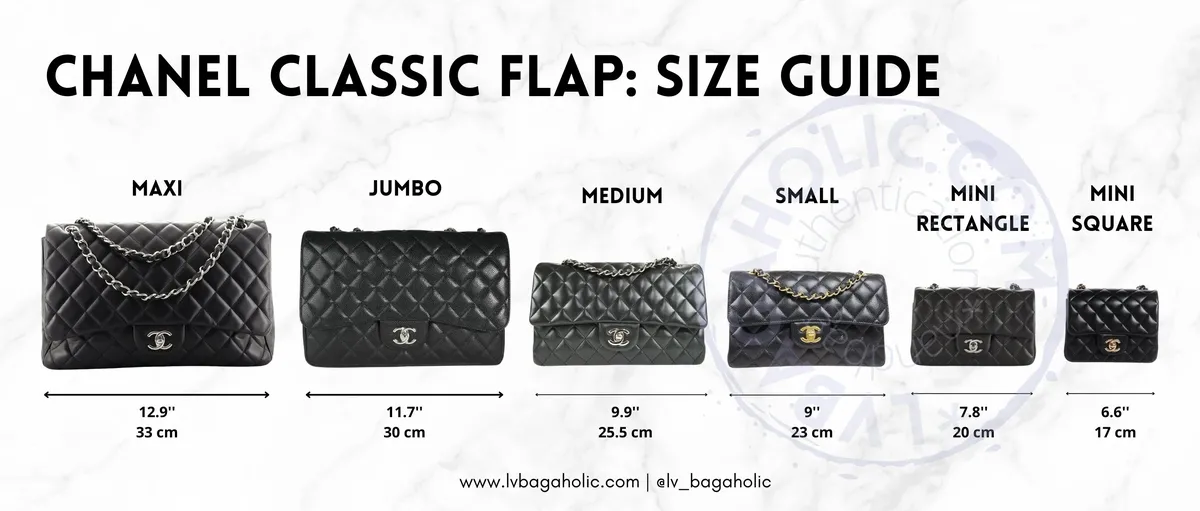
However, the value of a resalable bag depends heavily on its condition, the completeness of its original packaging, and the current popularity of that specific model.
A limitation to this investment strategy is that certain highly trendy or experimental designs may lose value rapidly once the fashion cycle shifts. For example, a neon-colored bag with heavy branding might be difficult to resell in five years compared to a neutral-toned, logo-free classic.
The resale market validates the long-term investment potential of luxury goods, creating a cycle of desirability. It allows collectors to rotate their collections while reinforcing the idea that a well-made bag is an asset that retains value long after its initial purchase.
According to Traceability Alliance, the recorded figure is 15.
According to This Chanel Data Center, the item is on record.
The record names the year 2023.
The record names the year 2022.
When I tried the steps in order, the second one is where I paused longest.
This order does not hold, however, when the figure is not 15%.
Related


Comments 0