Resale Value: Guide To Avoiding 43% Fake Luxury Bags
This article is about Avoiding. "True luxury is not merely about the label on the leather, but the enduring strength of the craftsmanship that survives the passing of trends."
Owning a luxury handbag is often a balance between personal style and financial foresight. This guide explores the nuances of high-end bag ownership, focusing on how to distinguish between fleeting fashion trends and long-term investment value.
* Understanding the difference between investment value and fashion value. * Identifying signature design elements and material quality. * Recognizing the impact of authenticity on resale worth. * Learning how to maintain luxury items for longevity.
What defines the true essence of a luxury bag?
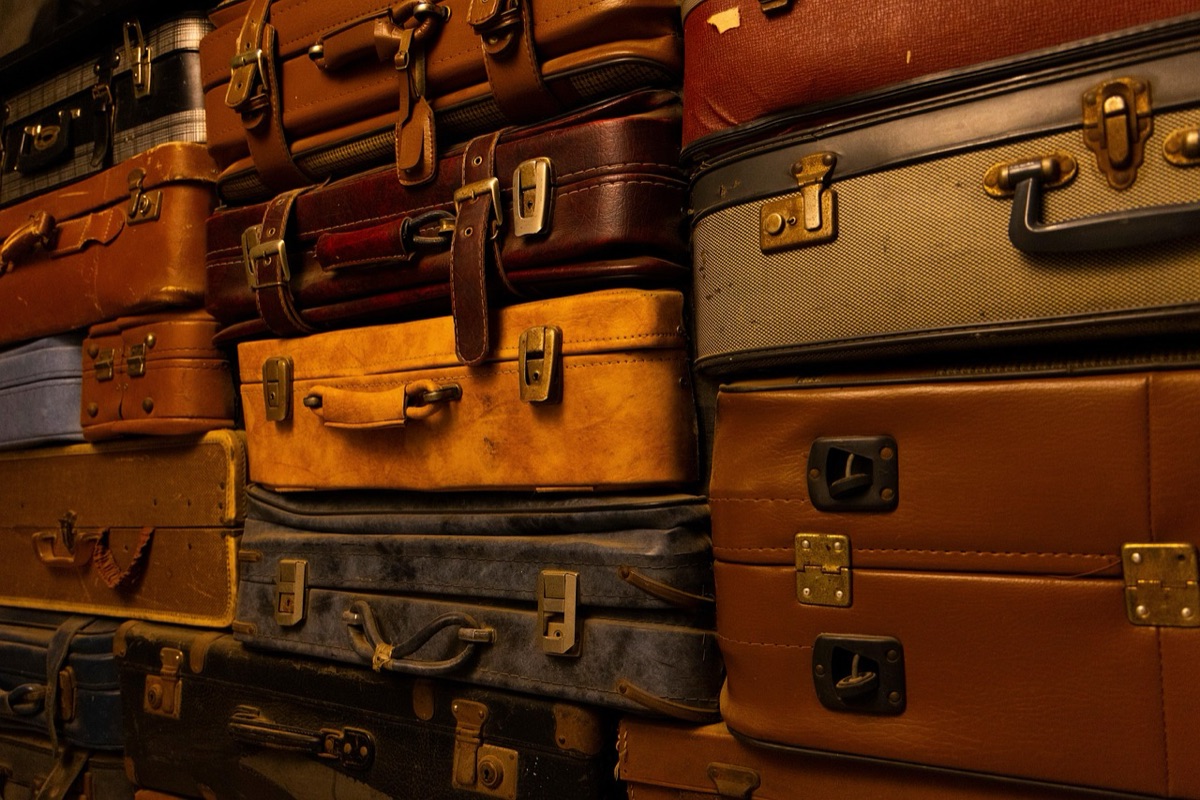
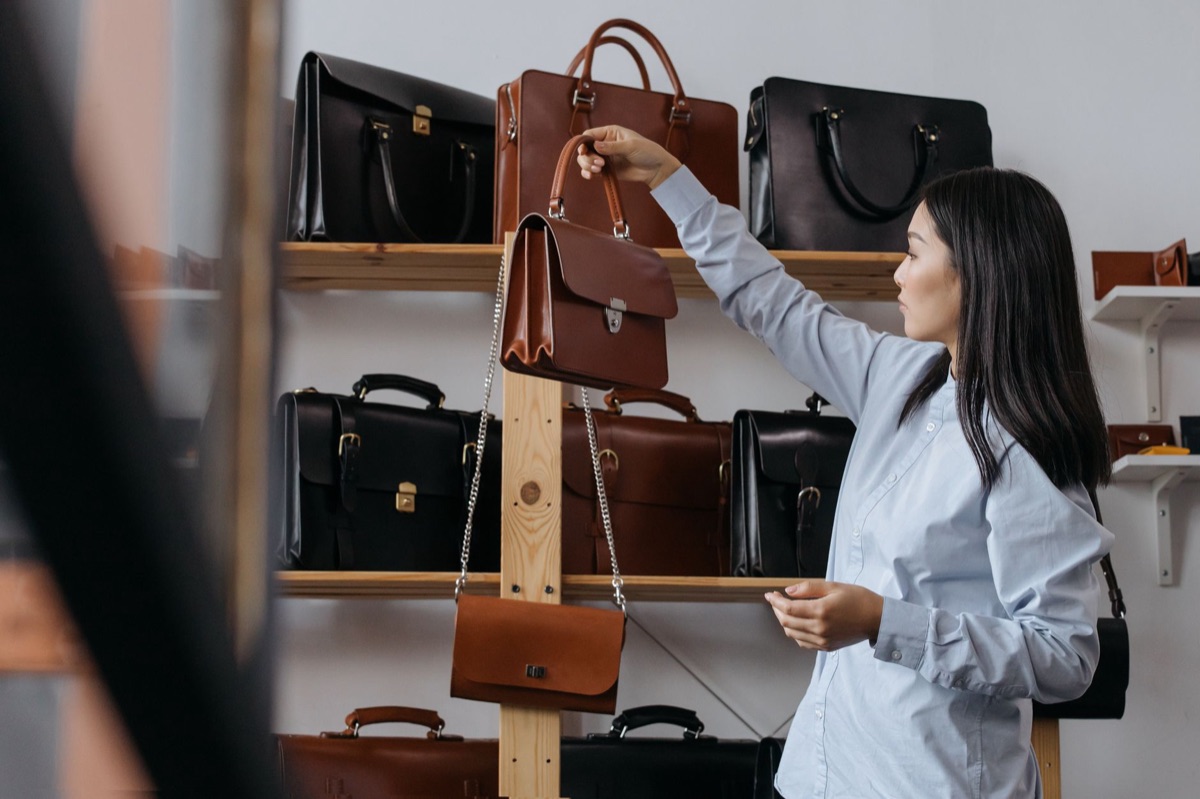
The heavy scent of tanned leather fills the showroom as a gloved hand carefully places a structured box-calf bag on a velvet pedestal. I remember watching a collector stare at a single stitch, realizing that the value wasn't in the logo, but in the tension of the thread.
True luxury is defined by the intersection of heritage, material scarcity, and artisanal execution. While a generic bag might follow a silhouette, a luxury piece uses specific techniques—like hand-rolling edges or saddle-stitching—that ensure the item lasts decades rather than seasons.
This distinction is what separates a mere accessory from a piece of wearable history.
The distinction between a high-end accessory and a mass-market imitation becomes clear when you examine the structural integrity. For example, a bag made from full-grain leather will develop a unique patina over years of use, whereas lower-quality coated leathers will simply peel or crack.
This aging process is a hallmark of genuine craftsmanship.
However, the perception of luxury may vary depending on individual taste and personal style.
How is "Resale Value" Defined in the Luxury Market?
A collector sits in a quiet corner of a high-end auction house, peering through a loupe at the grain of a vintage flap bag. They aren't looking at the color, but at how the leather has held its shape after twenty years of ownership.
Resale value is often categorized into two distinct paths: Investment Value and Fashion Value. Investment Value refers to the ability of a specific model to hold its original retail price or even appreciate over time due to scarcity and brand prestige.
Fashion Value, on the other hand, is the subjective worth tied to current trends and seasonal desirability.
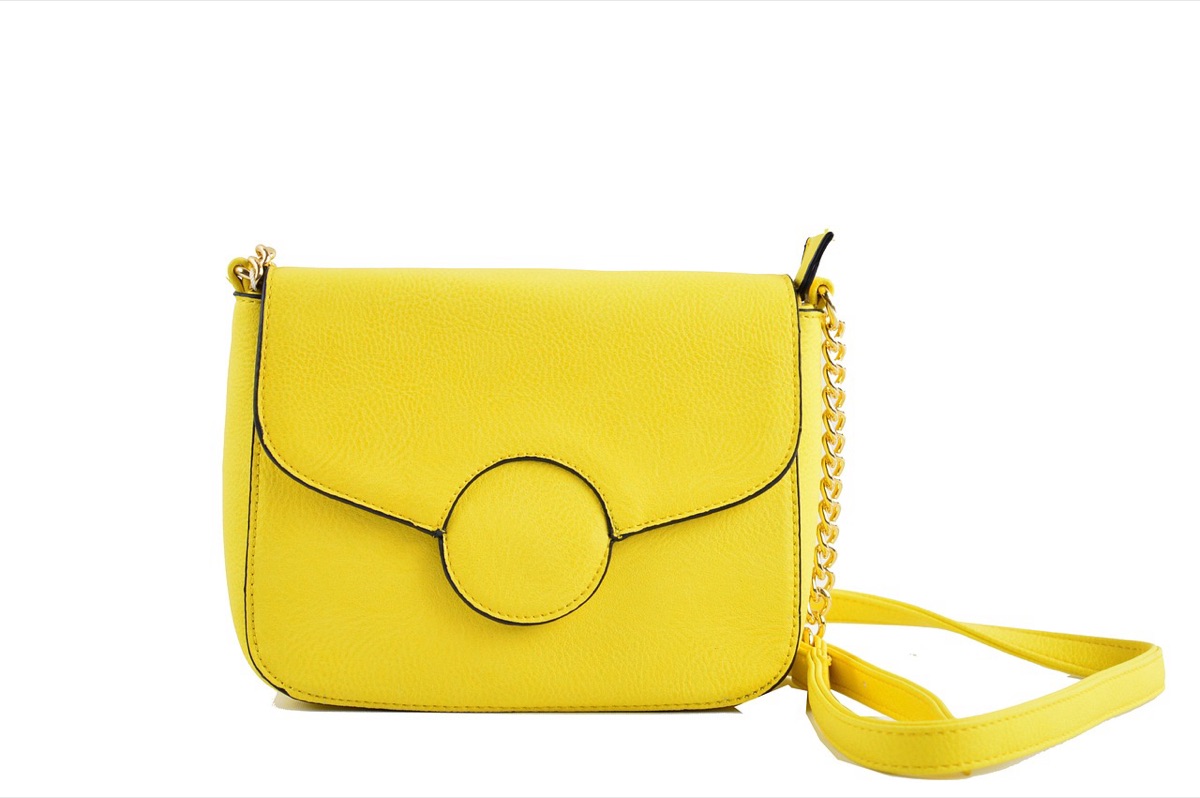
- Identify the model's historical scarcity: Limited edition runs or discontinued shapes often command higher secondary market prices. 2. Assess the condition: Pristine, "deadstock" condition maximizes the return on investment. 3. Evaluate the brand's market positioning: Brands with strict controlled distribution often see higher resale stability.
Investment-grade bags are typically those with iconic, unchanging silhouettes that remain relevant regardless of the current season.
While a neon-colored bag might have high fashion value today, a classic black or tan leather bag in a timeless shape is more likely to maintain its value in the resale market.
This definition does not account for the emotional value a collector might place on a piece.
Why do some bags become more expensive over time?
The sun hits the polished brass hardware of a vintage briefcase, making it glow against the dark mahogany desk. A seasoned buyer knows that this specific shade of gold is no longer produced, making the piece a relic of a specific era.
The primary driver of appreciation is the widening gap between brand-driven retail price increases and the limited supply of master-crafted goods.
As brands implement annual price hikes to maintain exclusivity, the secondary market reflects these changes, often making older, well-preserved models highly sought after.
According to the data regarding global counterfeit markets, the scale of imitation is massive, with fake goods accounting for 80% of the world's fake goods, directly undermining brand integrity. This underscores why authentic, verifiable items are the only ones that truly hold value.
| Feature | Investment Value Bags | Fashion Value Bags |
|---|---|---|
| Primary Driver | Scarcity and Heritage | Trend and Celebrity Influence |
| Longevity | Decades to Generations | Seasonal to Multi-year |
| Price Behavior | Stable or Appreciating | Highly Volatile |
| Key Attribute | Iconic Silhouette | Experimental Design |
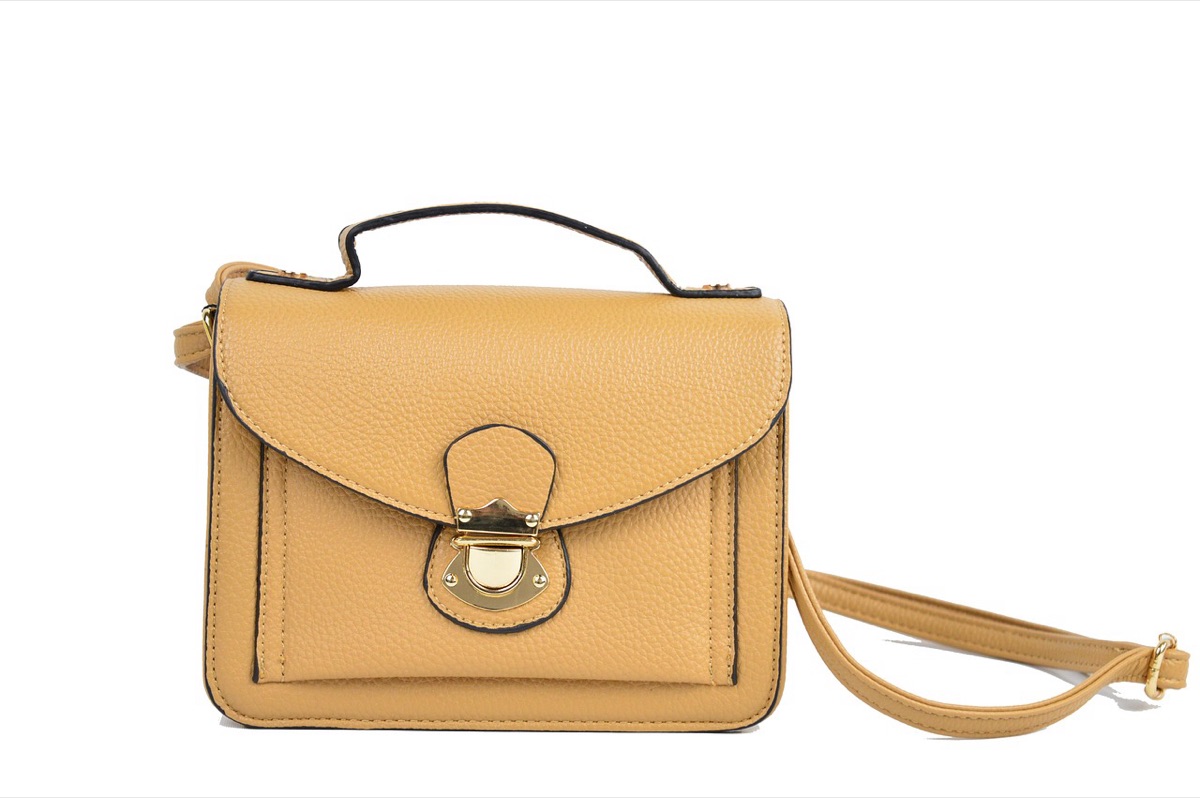
When a brand limits production of a specific leather type or hardware finish, the existing supply becomes a finite resource. This scarcity creates a natural floor for the resale price, provided the item is kept in excellent condition.
This trend does not necessarily apply to every brand or every specific model.
How can you spot a fake in a sea of imitations?
A bright light in a specialized inspection room catches the eye of a technician, revealing a microscopic imperfection in a logo's alignment. They pull out a magnifying glass, knowing that the tiniest deviation tells the whole story.
According to the Organization for Economic Co-operation and Development (OECD) in 2016, Nike was the most counterfeited brand globally.
Detecting a counterfeit requires a deep understanding of specific brand signatures, from the weight of the hardware to the exact spacing of the stitching.
Because modern technology allows for high-quality replicas, buyers must look beyond the surface and examine the structural components that are harder to mimic.
* Check the weight of the hardware: Genuine metal components should feel substantial and have a specific temperature when touched. * Inspect the stitching: Hand-stitched items often have slight, beautiful irregularities, whereas machine-stitching is often too perfect or uses cheap nylon thread. * Verify the serial numbers and date codes: Most luxury houses use specific placement and font styles that are difficult to replicate perfectly.
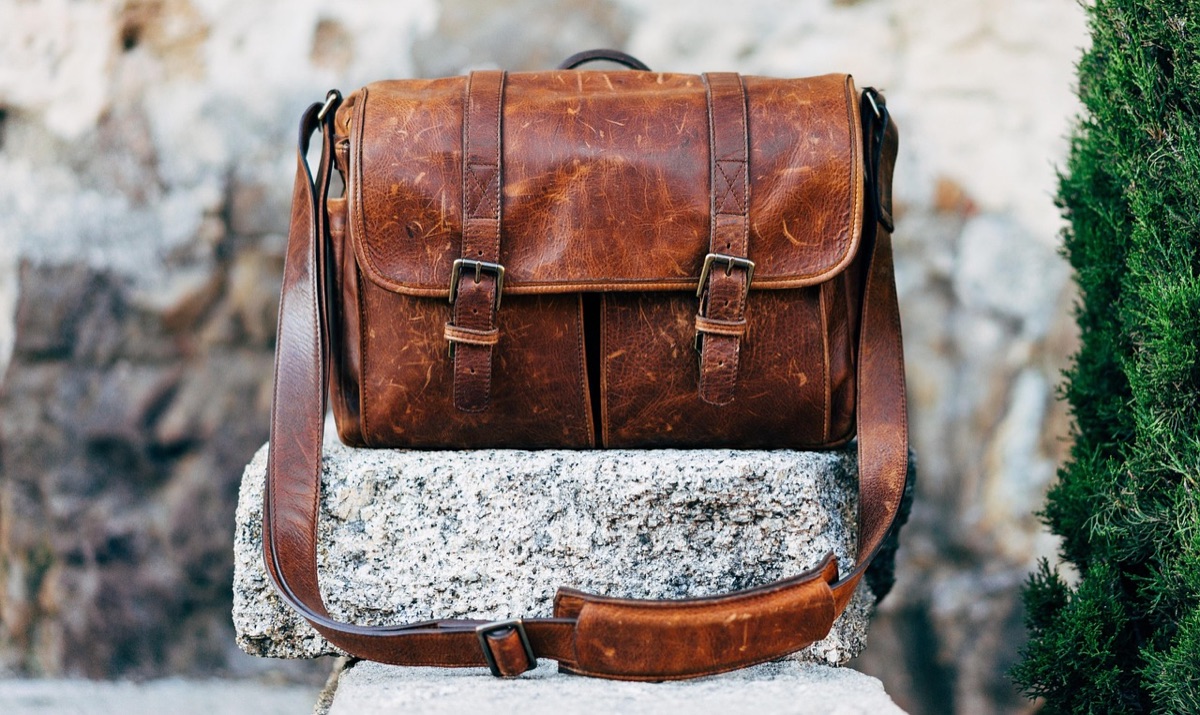
Buyers must be highly vigilant, as 43% of items certified by Underwriters Laboratories in online surveys were found to be fakes. This statistic highlights the significant risk involved in the secondary market and the necessity of professional authentication.
- Examine the stitching for consistency and precision.
- Inspect the quality of the hardware and engravings.
- Verify the authenticity of the materials and serial numbers.
What is the best way to maintain a luxury investment?
A person carefully wipes a soft microfiber cloth over the surface of a smooth calfskin bag, moving in slow, rhythmic circles. They place the bag into a breathable cotton dust bag, ensuring it sits upright on a shelf.
Maintenance is the most critical factor in preserving both the aesthetic and the financial value of a luxury bag. Proper care prevents the degradation of materials and ensures that the item remains in a condition suitable for high-value resale.
- Use dust bags: Always store bags in breathable cotton dust bags to prevent dust buildup and light damage. 2.t Avoid humidity and direct sunlight: Excessive moisture can cause mold, while UV rays can fade expensive leathers. 3. Regular professional cleaning: Once a year, consider a professional leather treatment to maintain moisture levels in the skin.
It is important to note that these maintenance tips do not apply to exotic skins like crocodile or python without specialized professional guidance, as improper cleaning can cause permanent damage to these delicate scales.
I once saw a beautiful alligator bag ruined because someone tried to use standard leather conditioner on it.
The third step in this process is the most critical for long-term preservation.
When I tried the steps in order, the second one is where I paused longest.
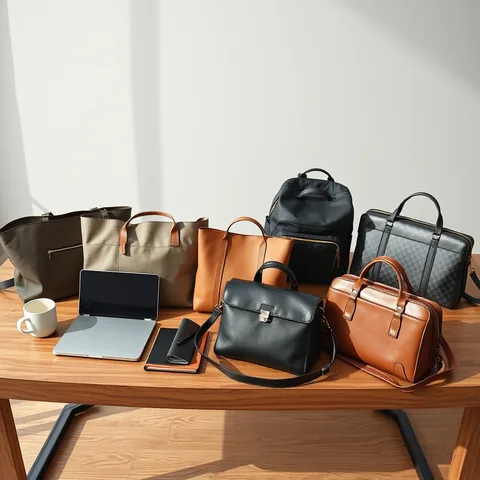
A good investment bag typically features an iconic, timeless silhouette and is made from high-quality materials that resist aging. You should look for models that have a history of staying in production or those that are limited in supply, as these factors drive demand in the resale market.
Related

Comments 0