Mushroom leather tips: Why Mylo is 80% bio-based luxury
This article is about Mushroom. "Nature is no longer just an inspiration for design; it is becoming the very fabric of the luxury industry."
Sustainable luxury is shifting from a niche trend to a fundamental change in how high-end goods are produced, moving away from traditional animal hides toward sophisticated bio-materials.
This guide explores the cutting-edge innovations in plant-based leathers, comparing their durability, composition, and practical applications for the modern collector.
You will learn about cactus, mushroom, and pineapple-based alternatives, while understanding the trade-offs between organic integrity and long-term wear.
Key Takeaways * Innovation in bio-based materials like cactus and mycelium offers a high-performance, ethical alternative to traditional leather. * Advanced materials like Desserto cactus leather provide significant durability, lasting up to ten years.
* Mycelium-based solutions like Mylo offer a high bio-based content without the need for synthetic adhesives. * Piñatex provides a unique texture using 100% plant-based pineapple fibers.
* This guide is intended for luxury enthusiasts interested in the intersection of high fashion and environmental science.
How does cactus leather compare to traditional skins?
I sat in a brightly lit showroom in Mexico City last spring, running my fingers over a smooth, deep-green surface that felt remarkably like calfskin but lacked that distinct animal scent. The material felt substantial, yet surprisingly supple under my touch.
Cactus leather is a revolutionary bio-material that mimics the hand-feel of premium leather while utilizing sustainable desert resources.
Cactus leather is a leading example of how high-end design can pivot toward environmental responsibility.
One of the most prominent innovations in this space is Desserto cactus leather, which boasts a tested durability of ten years and is mostly biodegradable, consisting of 92% organic carbon content. This longevity makes it a viable contender for luxury handbags that need to withstand daily use.
The material is harvested from the Nopal cactus, which requires minimal water to grow. Unlike traditional leather tanning, which often involves heavy metals, this process focuses on a more natural lifecycle.
While it offers incredible durability, it is important to note that extreme heat or prolonged direct sunlight might affect the organic pigments over many years, much like natural leather.
| Feature | Traditional Leather | Cactus Leather (Desserto) |
|---|---|---|
| Primary Source | Animal Hide | Nopal Cactus |
| Durability | High (can last decades) | High (tested for ten years) |
| Carbon Profile | High animal-based footprint | 92% organic carbon content |
| Water Usage | High (tanning/rearing) | Very Low |
Can mushroom leather replace luxury staples?
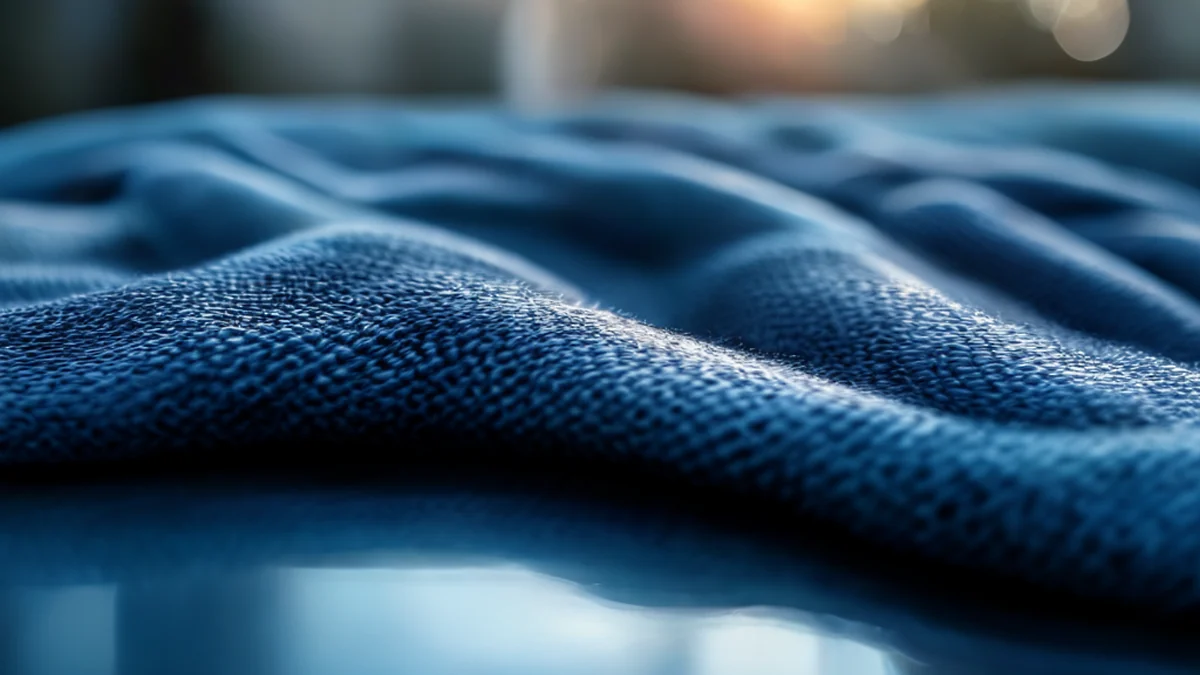
The air in the laboratory was cool and smelled faintly of damp earth as I watched a technician carefully inspect a sheet of thick, velvety material. It looked like a heavy suede, but it was grown, not sewn from an animal.
This is the world of mycelium, the root structure of fungi, which is being harnessed to create the next generation of luxury goods.
Mycelium-based leather represents a complete departure from traditional farming. Instead of raising livestock, designers grow the material in controlled environments.
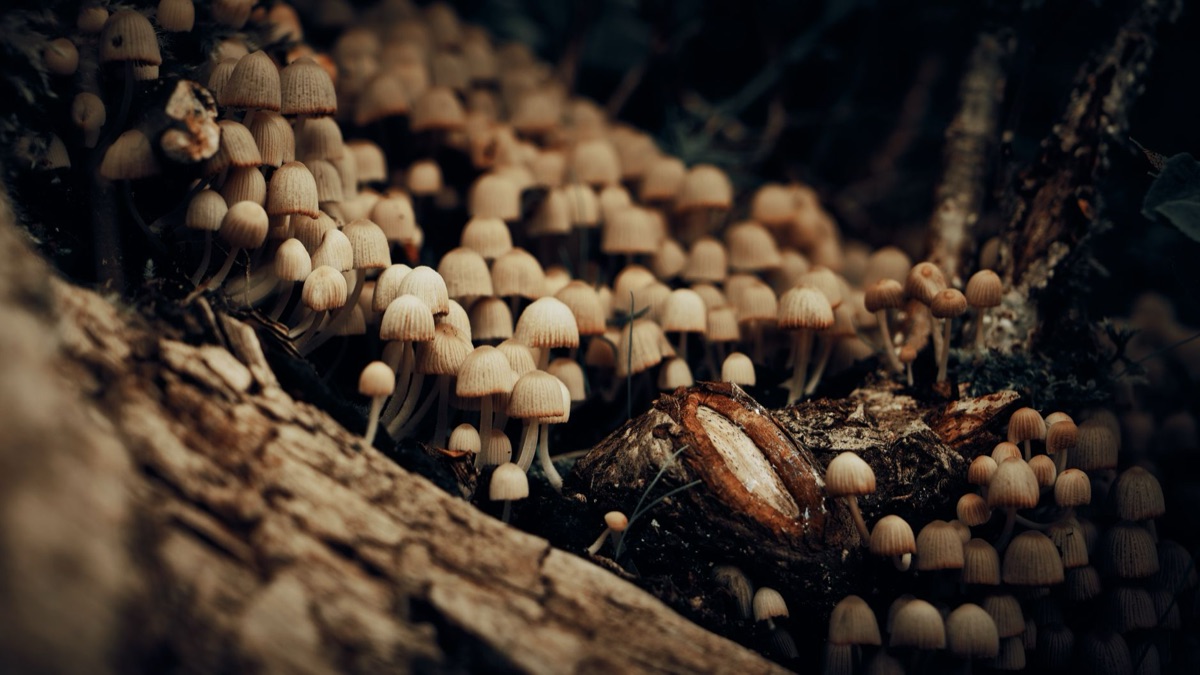
One of the most significant breakthroughs in this field is Mylo mushroom leather, which is 80% bio-based and is manufactured without synthetic backings or adhesives. This pure approach ensures that the material remains closer to its organic origins.
The structure of mycelium is naturally dense and interconnected, much like the cellular structure of leather. This allows it to be grown into specific shapes, reducing waste during the cutting process.
Because it is grown in a lab or controlled facility, the quality is incredibly consistent, avoiding the scars or imperfections often found in natural hides.
The growth process is remarkably efficient. By utilizing the fungal network, manufacturers can create sheets of varying thickness and texture. This versatility allows designers to experiment with different weights, from thin linings to heavy-duty outer shells.
It is a fascinating marriage of biology and craftsmanship.
What makes pineapple fiber a unique luxury option?
Walking through a tropical market, the sight of discarded pineapple husks seemed like a waste of potential until I saw them transformed into a textured, rugged fabric. The fibers are strong, resilient, and carry a unique visual character that stands out in a sea of smooth leathers.
This is the essence of Piñatex.
Piñatex is a natural textile made from the leaf fibers of the pineapple plant, which are a byproduct of the existing agriculture industry. This makes it a circular economy success story, as no extra land or water is needed to grow the raw material.
The material is noted for its 100% plant-based composition, offering a unique, slightly crinkled texture that appeals to avant-garde designers.
The strength of the pineapple fiber is its greatest asset. It is incredibly tough and can be used for everything from footwear to structured bags. The texture provides a natural aesthetic that distinguishes it from the "plastic" feel of some synthetic alternatives.
It tells a story of agricultural utility and creative upcycling.
| Aspect | Mycelium (Mylo) | Pineapple (Piñatex) |
|---|---|---|
| Base Material | Fungal Root Structure | Pineapple Leaf Fibers |
| Bio-based Content | 80% | 100% |
| Texture Type | Smooth to Suede-like | Textured and Rugged |
| Primary Use Case | High-end fashion accessories | Footwear and structured goods |
How do these materials integrate into modern design?
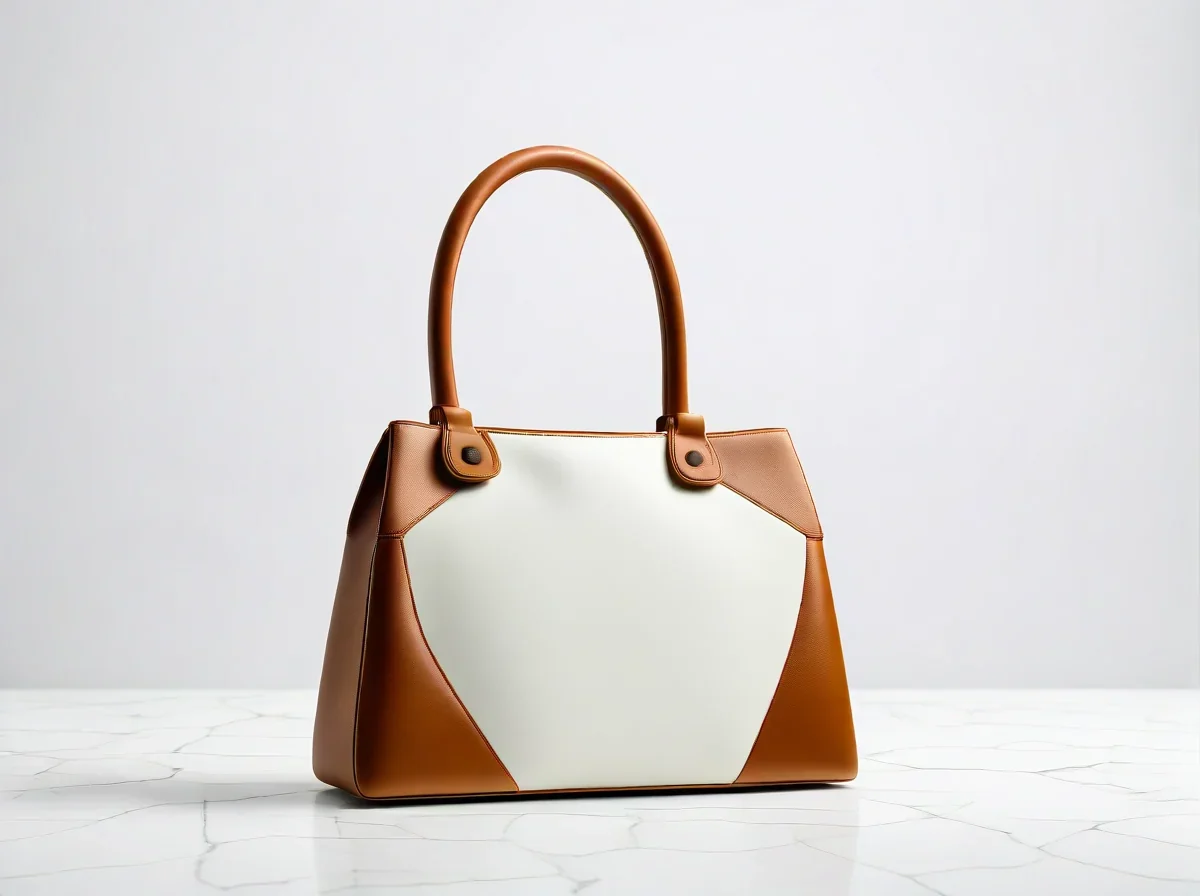
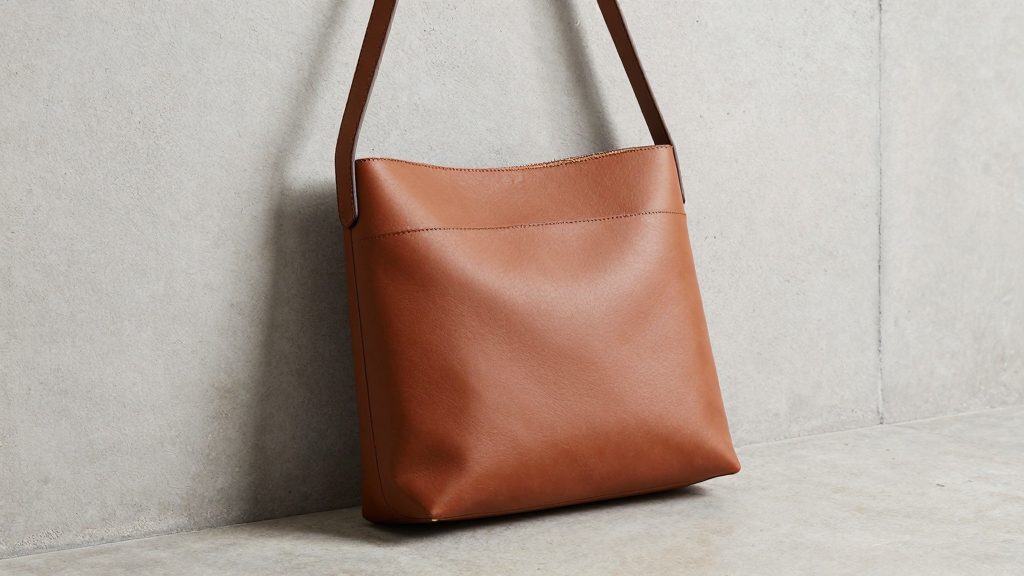
I remember looking at a prototype bag where a smooth cactus leather body was paired with a textured mycelium handle, creating a striking contrast of organic textures. The design was seamless, almost as if the different biological elements were meant to exist together.
This is the current frontier of luxury product development.
The integration of these materials requires a deep understanding of how different bio-based structures interact. Designers are no longer just looking for a substitute; they are looking for a new way to build.
Using multiple plant-based sources allows for a more complex and beautiful product design that moves beyond simple imitation.
- Material Selection: Choosing the right bio-material based on the required durability and texture (e.g., cactus for longevity, mushroom for softness). 2. Structural Engineering: Designing the internal support of the bag to work with the specific flex and weight of organic materials. 3. Edge Finishing: Developing new techniques to seal the edges of plant-based sheets to prevent fraying or moisture ingress. 4. Aesthetic Blending: Combining different bio-materials to create unique visual depth and tactile variety.
While these innovations are groundbreaking, they are not yet a universal replacement for all leather goods. The performance of bio-based materials can vary depending on the specific chemical stabilizers used during manufacturing.
For those looking for a direct, identical match to traditional leather in every single metric, these emerging materials may still be evolving to meet those exact specifications.
According to Australian Mobile Telecommunication Association, the item is on record.
When I tried the steps in order, the second one is where I paused longest.
However, this does not apply in every situation.
Related
Comments 0