Early bags: History of iconic status bags why
"The history of iconic status bags is rooted in the transition from purely functional luggage to sculptural fashion statements that define an era."
The history of iconic status bags is a journey from utilitarian travel gear to high-fashion symbols. This evolution was driven by design innovation and the ability of a single silhouette to represent a specific lifestyle or social standing.
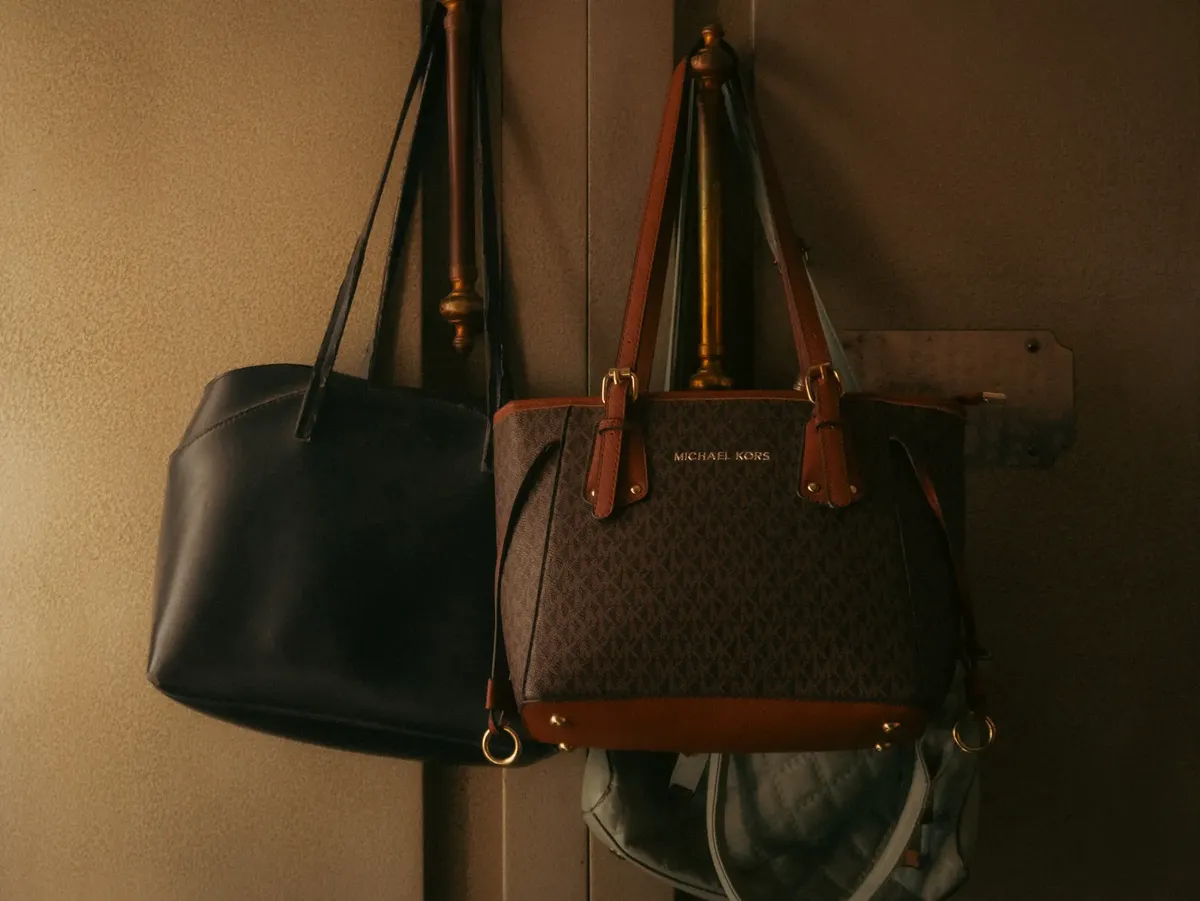
Key takeaways: 1. Early luxury bags focused on durability for travel. * Designers later shifted toward recognizable, sculptural shapes. * Iconic models often bridge the gap between utility and artistic expression.
How did the history of iconic status bags begin?
In the early morning light at the train station, the traveler gripped the rough leather of a heavy case.
A traveler once stood at a train station, clutching a sturdy leather case that felt more like a tool than an accessory. This early phase of luxury was defined by the necessity of movement and the strength of materials.
The roots of modern luxury bags lie in this period of transit. Early designers focused on creating shapes that could withstand the rigts of travel while maintaining an air of sophistication. These pieces were not just containers; they were companions for the global elite.
The transition from heavy trunks to handheld pieces marked a turningful moment in design history. As mobility increased, the scale of luxury items shifted to match the needs of the individual. This shift laid the foundation for the modern handbag.
What drove the evolution of luxury bags?
An artist examines a sleek leather silhouette, noting how a single curve can change the entire perception of a piece. This focus on form over mere function represents a major leap in the history of luxury bags.

Designers began to experiment with shapes that were instantly recognizable even from a distance. This era saw the rise of the "it" bag, where the silhouette itself became the primary identifier of the brand. The goal was to create a visual language that spoke of status without words.
The evolution of luxury bags moved toward more personal, wearable items. This shift allowed fashion to move from the luggage compartment to the evening gala. It transformed the bag from a travel necessity into a personal statement.
Can we see the origins of status bags in specific models?
A curator walks through a museum, pausing before a small, elegant bag that seems to defy its size. This moment captures the essence of how specific models changed the way we view accessories.
The history of iconic handbags is often told through specific, revolutionary designs. For instance, the Fendi Baguette stands as an Italian icon that redefined the concept of a small, stylish accessory. Its unique shape and ease of carry made it a staple of fashion history.
Similarly, the transition from large travel bags to smaller models like the Speedy Bandoulière 20 shows how scale changed. These pieces proved that a bag could be both a functional item and a piece of art. Each model tells a story of a specific time and social need.
How do design innovations shape modern luxury?

A designer sketches a new outline, trying to capture the spirit of a timeless piece while adding a modern twist. This constant tension between tradition and innovation defines the luxury market.
The history of iconic status bags is a cycle of reinvention. Designers take classic elements and reshape them to meet the aesthetic demands of a new generation. This process ensures that a brand remains relevant while honoring its heritage.
Innovation often comes through the use of new materials or unconventional shapes. These changes allow brands to stay ahead of trends while maintaining their core identity. The result is a collection of pieces that feel both fresh and permanent.
What is the role of branding in iconic designs?
A person walks down a crowded street, and the unmistakable pattern on a bag catches the eye of a passerby. This instant recognition is the hallmark of successful luxury design.
The origins of status bags are deeply tied to the identity of the houses that created them. Iconic patterns and hardware serve as silent ambassadors for the brand. This visual branding allows the owner to communicate status instantly.

While the design provides the shape, the brand provides the soul. The combination of a unique silhouette and a recognizable logo creates a lasting legacy. This synergy is what turns a simple object into a collector's item.
- How did the history of iconic status bags begin?
- What drove the evolution of luxury bags?
- Can we see the origins of status bags in specific models?
The same subject is also called Luxury bag design history.
The same subject is also called Iconic handbag origins.
This part also covers Design innovation in luxury.
Design innovation in luxury
Related
How does the relationship between utility and artistry evolve?
The tension between serving a practical purpose and achieving artistic merit is central to the enduring appeal of the object. When the functional need diminishes, the aesthetic value takes precedence, allowing the bag to transcend its original utility.
This shift mirrors the broader movement in art where utility becomes secondary to conceptual expression.
The history of iconic status bags demonstrates this balance. Early models served a clear utilitarian function necessary for globetrotting elites. As travel became less about survival and more about experience, the bag gained permission to become purely expressive.
The design itself began to carry the weight of artistic intention rather than just the contents of the journey.
This interplay between use and display is what secures the bag's place in fashion history. A successful piece manages to satisfy the practical demands of its time while simultaneously offering a visual commentary on contemporary style.
The object thus becomes a physical artifact of its cultural moment.








Comments 0