Plastic bag ban effects: Tips for reducing plastic usage
"The shift from free plastic to paid alternatives has fundamentally altered how people prepare for a trip to the grocery store."
Global plastic bag ban effects have reshaped how shoppers carry their goods, turning a once-free convenience into a conscious decision-making process. This transition often involves moving toward reusable alternatives to avoid fees or comply with local laws.
Key takeaways include the significant reduction in waste through taxation, the varied success of regional bans, and the shift in consumer habits toward reusable bags.
How did policy changes impact plastic bag usage?
At the checkout counter, the shopper hesitated while feeling the crinkle of the thin plastic bag in their hand.

A shopper reaches for a bag at a checkout counter, only to realize they must now pay a fee for it. This simple moment reflects a global trend where regulatory measures have forced a change in shopping behavior.
According to an estimate from the Association estimated that plastic bag consumption, the major supermarket withdrawal of free bags resulted in plastic bag consumption falling by 80% nationwide by December 2018, which led to 1.5 billion fewer bags entering the environment.
According to the National Retail Association, by December 2018, plastic bag consumption fell by 80% nationwide in Australia as a result of major supermarkets withdrawing free bags. This shift meant 1.5 billion fewer bags entered the environment.
Such a massive change in consumer habits demonstrates how changing the availability of free goods can lead to rapid shifts in behavior.
The plastic bag ban impact is often seen through economic levers. For example, a five-cent tax on disposable bags in one study reduced usage by 40 percentage points. These types of economic shifts encourage people to bring their own bags to avoid unnecessary costs.
What role does taxation play in reducing waste? Plastic bag ban effects
A customer stands at a register, checking their wallet before accepting a thin plastic bag. The cost of a single bag can be a small but effective deterrent for many shoppers.
In Ireland, the introduction of a €0.15 levy on plastic bags in 2002 led to a 90% reduction in usage within weeks, and the policy received widespread public support. This rapid change shows how even small fees can trigger immediate shifts in how people shop.
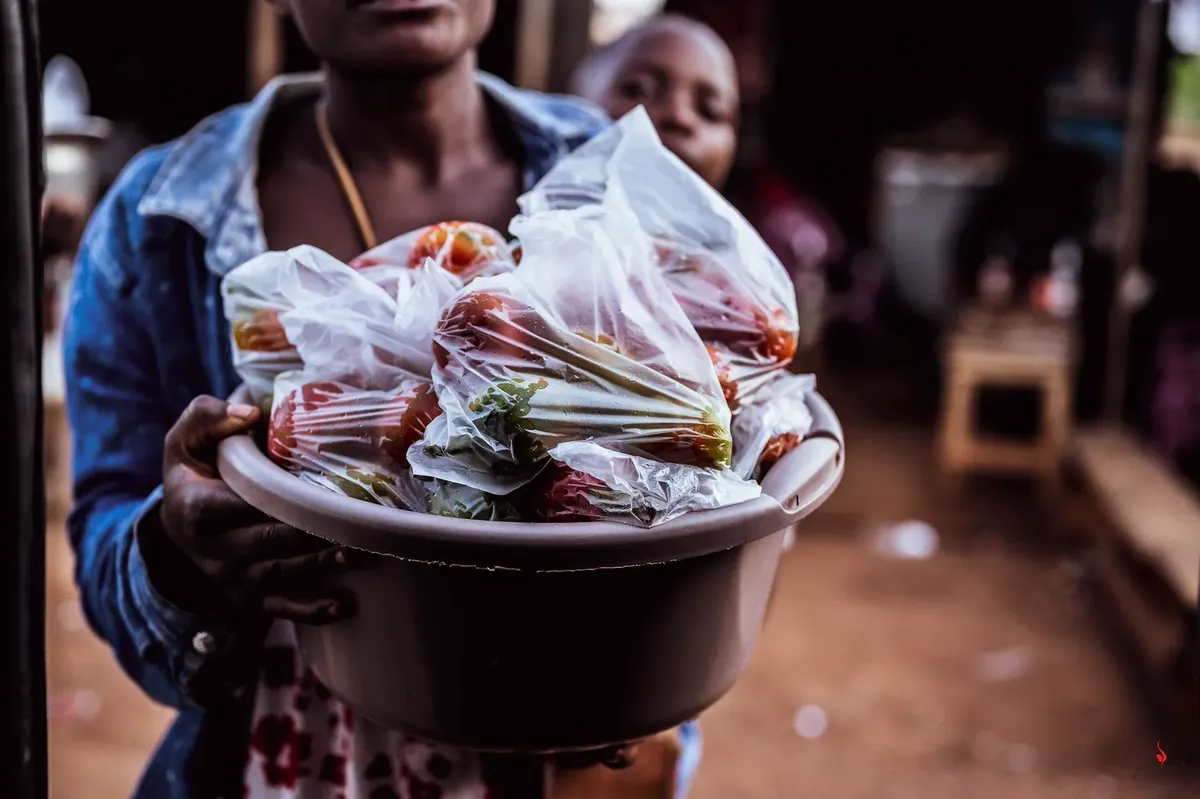
The bag ban consumer shift is also evident in other regions where levies were applied. In Denmark, levies and taxes led to a 66% reduction in usage, while South Africa, Belgium, Hong Kong, Washington D.C., Santa Barbara, and the UK saw reductions between 74 and 90%.
These figures suggest that financial accountability can effectively drive environmental change.
How do different regions implement these rules?
A traveler walks through a city market, noticing that every shop has a different rule for packaging. Regulations vary wildly depending on whether the focus is on a total ban or a simple fee.
As reported by the Environment Ministry, starting in 2016, retailers in 23 cities across the archipelago were required to charge consumers between Rp.200 and Rp.5,000 for each plastic bag, including degradable plastic bags.
In Indonesia, the Environment Ministry obliged retailers in 23 cities across the archipelago to charge consumers between Rp.200 and Rp.5,000 for each plastic bag, including degradable ones, starting in 2016.
This targeted approach addressed various retail environments from mini-markets to hypermarkets.
Sustainable shopping trends are also shaped by specific thickness regulations. For instance, the European Commission published a proposal in November 2013 to reduce the consumption of lightweight plastic carrier bags with a thickness below 50 microns.
These specific technical requirements help target the most problematic types of waste.
Can local bans successfully change habits?
A resident picks up a sturdy cloth bag from a shelf, prepared for a routine grocery run. Localized efforts often serve as testing grounds for broader environmental policies.
In Seattle, between 2010 and 2014 after a city-wide ban, there was a 50% decrease in the presence of single-use plastic bags in residential waste, even as the population grew by 10%. This demonstrates that local policy can successfully decouple population growth from waste increases.
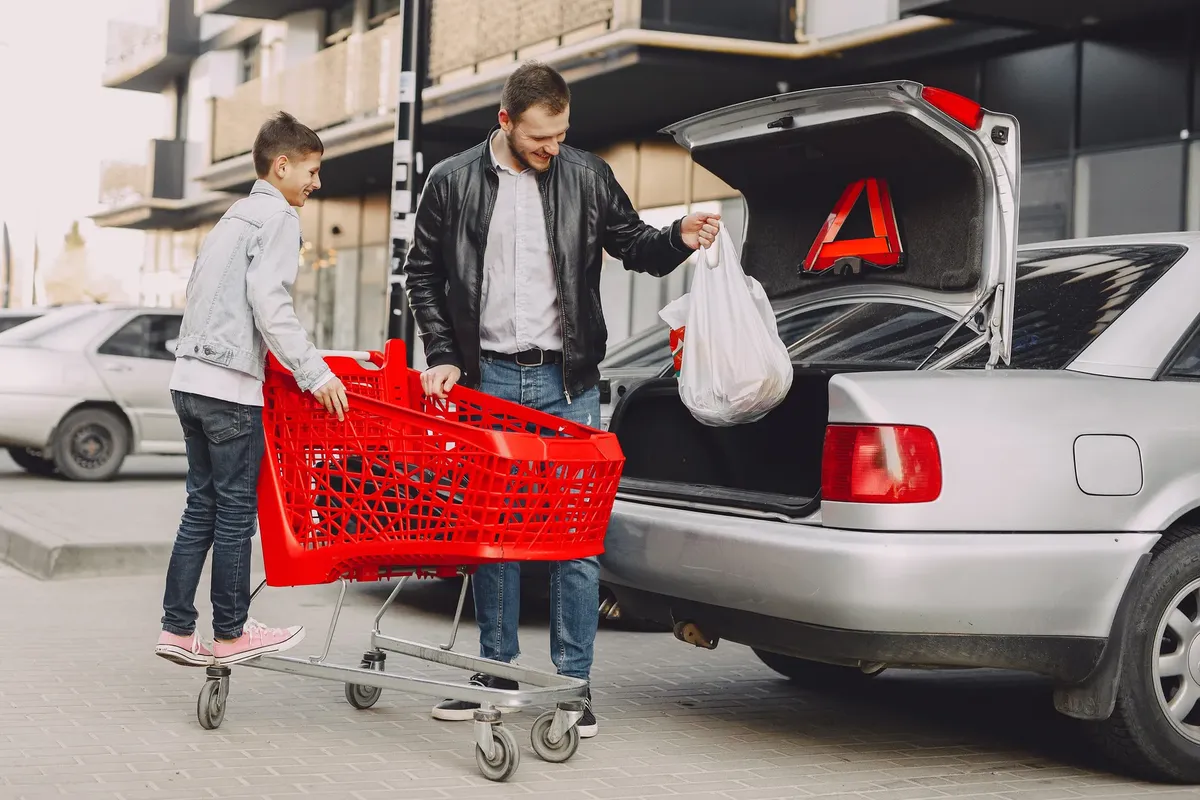
Reusable bag habits often emerge from necessity in these regulated zones. In Kenya, a 2017 ban on plastic bags received favorable support from approximately 67% of consumers, who reported increased use of reusable bags and perceived improvements in cleanliness.
This shows that public perception can align with legislative changes when benefits are clear.
What happens when regulations are reversed?
A shopper looks at a price tag on a plastic bag, wondering if the cost will rise again. The removal of a policy can lead to a sudden reversal in consumer behavior.
In Sweden, the repeal of a tax on single-use plastic bags in 2024 raised concerns about potential increases in plastic consumption, despite the tax's prior success in reducing usage by 75% between 2020 and 2021.
This highlights the fragility of behavioral changes when the economic incentive is removed.
Eco law usage change remains a constant struggle between convenience and sustainability. When laws are lifted, the habit of using single-use items may return if people have not fully transitioned to permanent alternatives.
How can consumers adapt to new bag laws?
A person organizes their reusable bags at home, ensuring they are ready for the next shopping trip. Adapting to new laws requires a change in preparation and routine.
To follow successful patterns, consumers can adopt these three steps: 1. Keep several foldable reusable bags in a vehicle or a dedicated spot near the exit. 2. Transition to heavier-duty bags that can handle multiple items to avoid the need for extra single-use fillers. 3.
Familiarize yourself with local fee structures to avoid unexpected costs at the register.
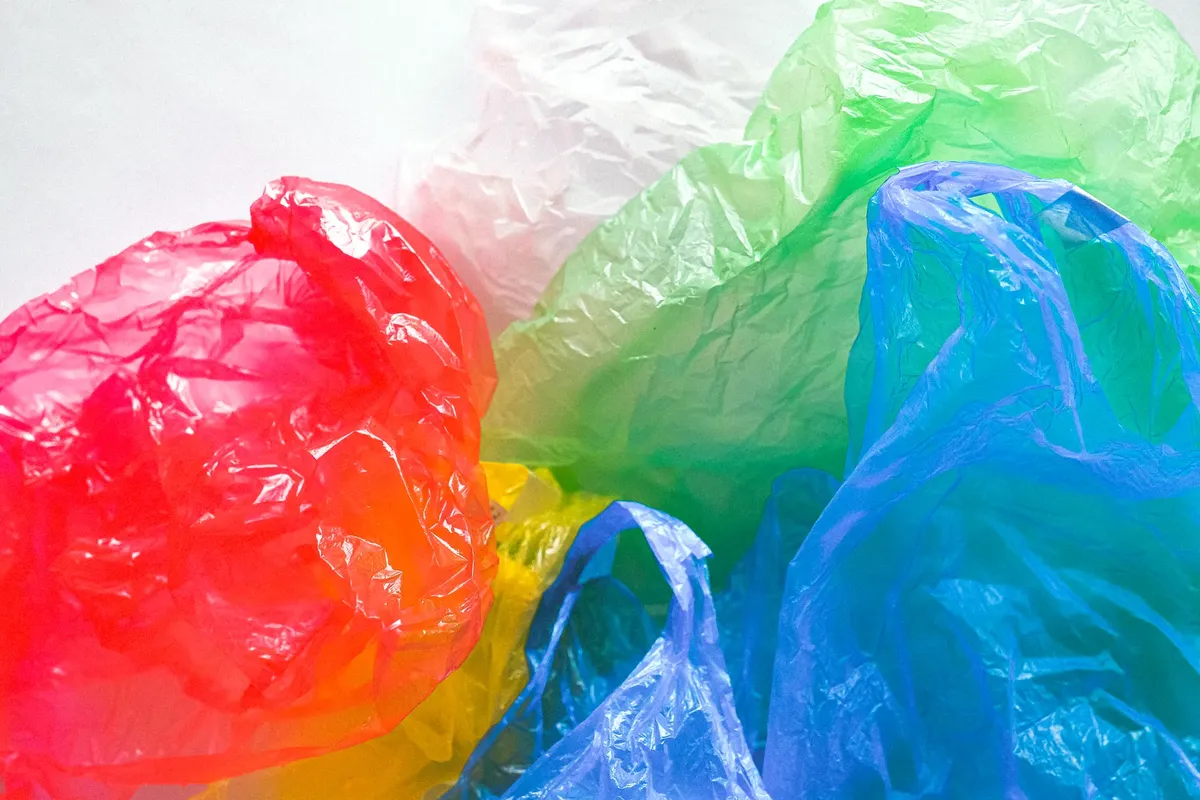
A final check involves ensuring that any "reusable" bags purchased are durable enough to actually replace hundreds of single-use bags over their lifetime. I found that keeping a small, lightweight bag in a coat pocket helped me avoid the sudden cost of a bag at the counter.
One limitation of these shifts is that while usage may drop, only 5% of plastic bags currently make it to recycling facilities.
- How did policy changes impact plastic bag usage?
- What role does taxation play in reducing waste?
- How do different regions implement these rules?
The subject here is Plastic bag ban effects.
The same subject is also called Plastic ban impact.
This part also covers Global bag regulation.
This part also covers Policy driven habits.
Global bag regulation
Related




Comments 0