Plastic bag charge: 80% guide to phase-out
"By December 2018, the National Retail Association estimated that plastic bag consumption fell by 80%, resulting in 1.5 billion fewer bags entering the environment."
The Australia plastic bag charge transition shifted the responsibility of waste reduction to the retail sector through the removal of free single-use carriers. This policy change resulted in a massive reduction in plastic waste across the country.

This guide examines the impact of these retail changes, the history of legislative attempts, and the environmental outcomes. Key takeaways include an 80% drop in bag usage, the role of supermarket-led withdrawals, and the historical tension between local bans and state legislation.
How did the Australia plastic bag charge change consumption?
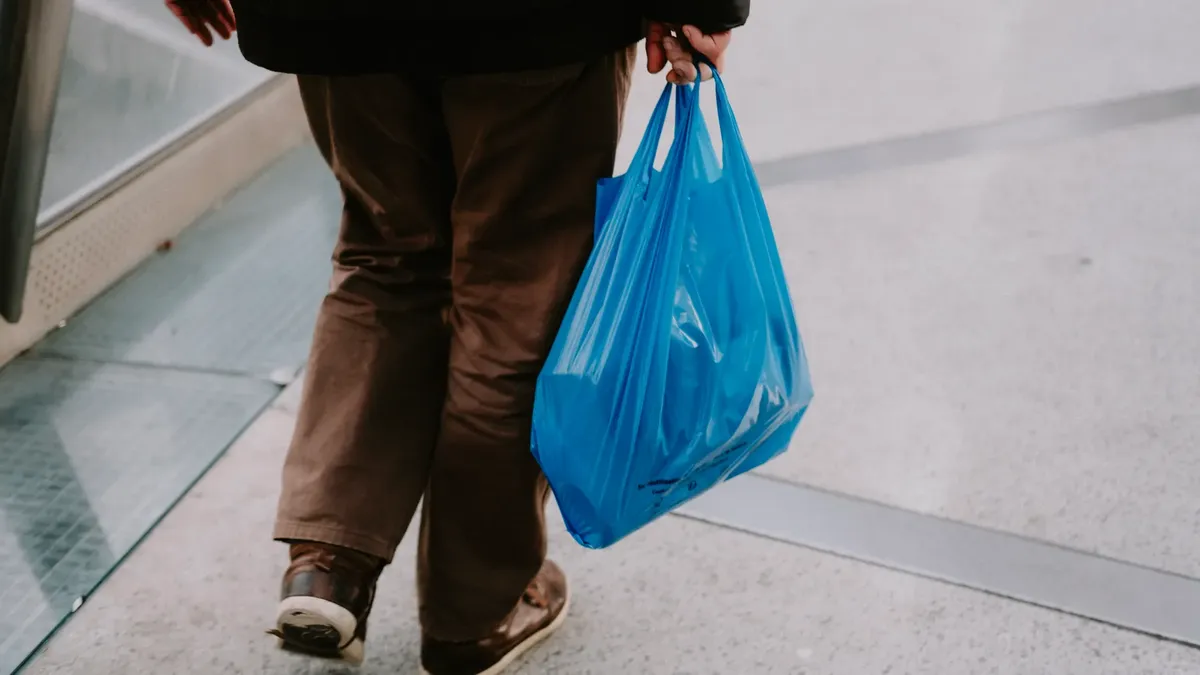
A shopper reaches for a reusable tote instead of a thin plastic carrier at a checkout counter. This shift in consumer behavior became the standard as major retailers stopped providing free bags.
By December 2018, the National Retail Association estimated that plastic bag consumption fell by 80% nationwide as a result of the major supermarket withdrawal of free bags, leading to 1.5 billion fewer bags entering the environment.
This massive reduction happened because the supply of free bags vanished from grocery aisles. The sudden change forced a transition toward reusable options almost overnight.
An Aus retail bag fee policy effectively changed the way people prepare for shopping trips. Instead of grabbing a bag at the register, customers began carrying their own. This change reflected a broader movement toward sustainable retail practices across the nation.
What were the legislative hurdles for local bans?
A city official sighs deeply while reviewing a document about plastic bans in a quiet office late at night.
A city official reviews a proposed ordinance that aims to curb plastic waste within municipal limits. These efforts often face challenges from higher levels of government.
In 2013 and 2015, the City of Fremantle attempted to introduce a citywide plastic bag ban.
This highlights the tension between local environmental initiatives and state-level legislative authority.
The Plastic bag levy Australia discussions often involve these types of jurisdictional conflicts. While local councils seek immediate relief from litter, state councils may block such movements. This creates a complex landscape for regional environmental policy.
How did early industry agreements shape the landscape?
Two industry leaders sit at a table to sign a document intended to manage plastic waste more effectively. This formal agreement set the stage for future retail standards.
In 2003, a Code of Practice for the Management of Plastic Bags was signed between the Environment Protection and Heritage Council (EPHC) and the Australian Retailers Association. This agreement established a framework for how the industry would handle plastic distribution.
It served as a foundational step before the more drastic withdrawals seen later.
Sustainable retail Australia began with these early cooperative efforts between government bodies and trade associations. The agreement aimed to balance business needs with environmental concerns. It paved the way for the eventual phase-out of free bags in supermarkets.
What were the results of the supermarket phase-out?
A supermarket aisle looks cleaner as the piles of thin plastic bags disappear from the checkout counters. The absence of these bags signals a major shift in retail operations.

According to the Association estimated that plastic bag consumption, the National Retail Association estimated that plastic bag consumption fell by 80% nationwide by December 2018 due to the major supermarket withdrawal of free bags, resulting in 1.5 billion fewer bags entering the environment.
The supermarket phase-out led to an estimated 80% drop in the use of plastic bags nationwide by December 2018. This reduction meant 1.5 billion fewer bags entered the environment. The scale of this change demonstrates the power of retail-driven policy.
The Bag charge impact Aus was most visible in these large-scale retail environments. By removing the free option, retailers drove a massive change in waste volume. This result showed that retail-led changes could achieve significant environmental goals.
How can we compare different bag policies?
A researcher looks at data comparing the volume of plastic waste from different years and regions. The comparison shows how different methods influence environmental outcomes.
| Event/Timeframe | Impact/Result | | :--- much | :--------------------------------------------------------- | | December 2018 | 80% drop in plastic bag consumption nationwide | | 2013 & 2015 | Two blocked attempts to ban bags in Fremantle |
I observed how the removal of free bags at the supermarket immediately changed how I packed my groceries. The comparison shows that retail-led changes were more effective than the blocked local bans.
What are the limitations of these environmental policies?
A policymaker considers the unintended consequences of a sudden shift in consumer products. While the reduction in one type of waste is clear, other materials may see an increase.

One limitation is that the success of these programs is often tied to the specific actions of major retailers rather than a universal legal mandate. The effectiveness was largely driven by the withdrawal of free bags by supermarkets.
- How did the Australia plastic bag charge change consumption?
- What were the legislative hurdles for local bans?
- How did early industry agreements shape the landscape?
The subject here is Australia plastic bag charge.
This part also covers Consumer response to bag fee.
This part also covers Waste reduction through pricing.
This part also covers Retailer sustainability goals.
Consumer response to bag fee
Related
- Plastic bag ban effects: Tips for reducing plastic usage
- Plastic bag regulation impact: How to guide change
Why was the industry code important initially?
The Code of Practice serves as a voluntary agreement between industry bodies and environmental organizations. This initial cooperative framework predates the major phase-out seen later.
The agreement reached in 2003 between the EPHC and the Australian Retailers Association established a management protocol. This protocol governed how plastic bags were distributed by the industry. It represented a proactive step before mandatory restrictions took hold.
This early industry consensus was crucial because it laid the groundwork for future changes. It showed a willingness among stakeholders to address the issue collaboratively. The December discussions regarding bag usage were influenced by this earlier accord.
What does the comparison reveal about policy success?
The comparison between the blocked local efforts and the successful supermarket withdrawal illustrates a key difference in implementation. The scale of the successful change was much larger.
The Fremantle attempts faced jurisdictional hurdles at the state level. Conversely, the major supermarket withdrawal achieved a rapid, large-scale national effect. This difference suggests that voluntary action by large entities can move faster than local ordinance attempts.
The December 2018 data point reflects the culmination of this successful retail-led transition. The initial 2003 agreement helped build momentum toward this point.








Comments 0