Backpack Guide: Choosing 15L to 50L Packs for Every Need
Choosing the right backpack isn't just about finding a bag that fits your gear; it’s about selecting equipment that supports your lifestyle and protects your physical health.
To pick the perfect pack, you must align capacity with your activity, prioritize ergonomic weight distribution, and select materials based on durability needs. A well-chosen bag acts as an extension of your body rather than a burden on your spine.
* Know Your Capacity: Use 15–25L for daily commutes, 30–45L for travel/weekend trips, and 50L+ for serious outdoor adventures. * Prioritize Ergonomics: Look for load-bearing hip belts and contoured back panels to prevent shoulder and lower back strain. * Check the Denier (D): Higher denier numbers signify thicker fabric, but also increased weight. * Protect Your Tech: For work bags, ensure your laptop compartment is "suspended" so it doesn't hit the ground when set down.
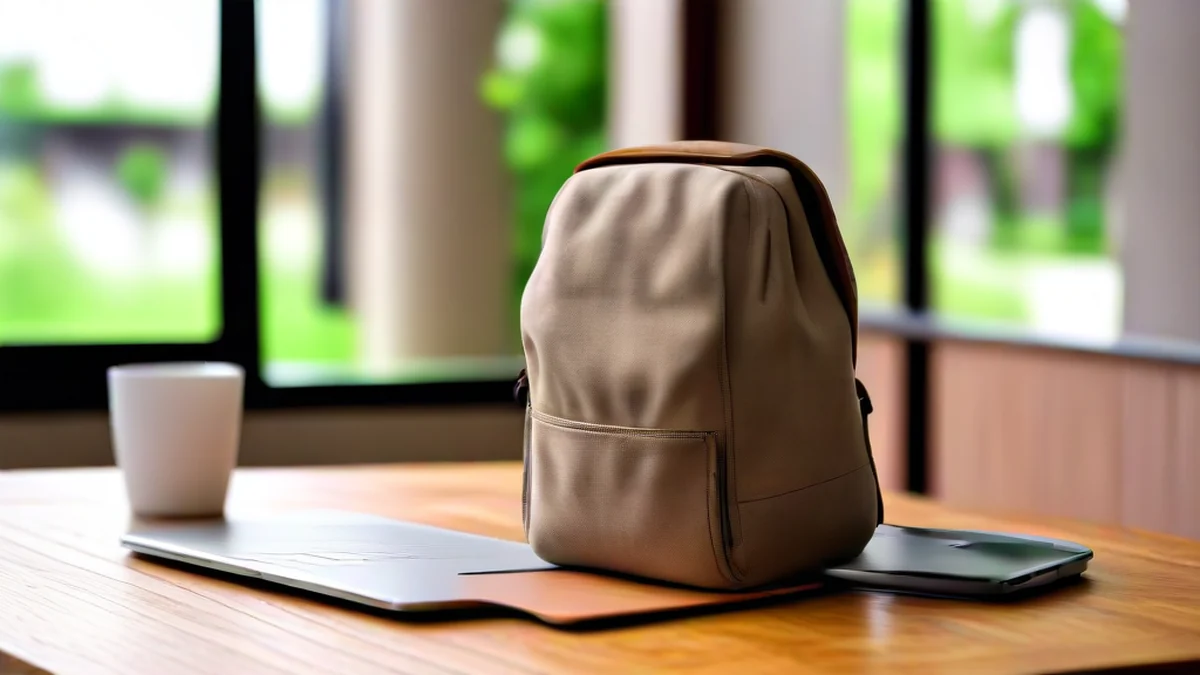
Why Are Backpacks Evolving So Quickly?
Backpacks have evolved far beyond simple canvas sacks. Today, they are sophisticated pieces of technical gear serving as mobile offices for professionals and survival kits for travelers.
According to a 2023 report from Grand View Research, the global backpack market is seeing steady growth. There is a significant surge in demand for "technical backpacks" and those made from sustainable materials.
This shift shows that modern consumers are no longer just looking at aesthetics. They are investing heavily in functional design and environmental responsibility to meet 2024-2025 lifestyle demands.
I experienced this shift firsthand last year when I transitioned to a hybrid work schedule. I was using an old, oversized school bag to carry my 16-inch MacBook Pro and a heavy Yeti tumbler.
The weight distribution was terrible—everything pulled toward the back of my spine. My shoulders were aching by lunchtime every single day.
After switching to a dedicated commuter pack with an internal frame, the difference was night and day. It transferred the weight to my hips, making a 15-pound load feel much lighter.
Capacity Guide: What Do Those Liters Actually Mean?
The biggest hurdle when shopping is understanding "Liters" (L). This number represents the internal volume of the bag.
While more liters mean more storage, they also mean a bulkier profile and a heavier empty weight. You have to balance space against portability.
1. Daily & Commuter Packs (15L – 25L) This is the sweet spot for most people. It’s perfect for a laptop, a notebook, a light jacket, and daily essentials.
A 20L bag keeps a slim, professional silhouette. This works well in an office or coffee shop without looking like you're about to climb Everest.
2. Travel & Weekend Getaways (30L – 45L) If you’re planning a 3-day trip to a national park, this is your range. These bags hold clothes, toiletries, and extra shoes.
Many travelers now prefer the "one-bag" lifestyle. They opt for 40L packs specifically designed to meet airline carry-on size limits.
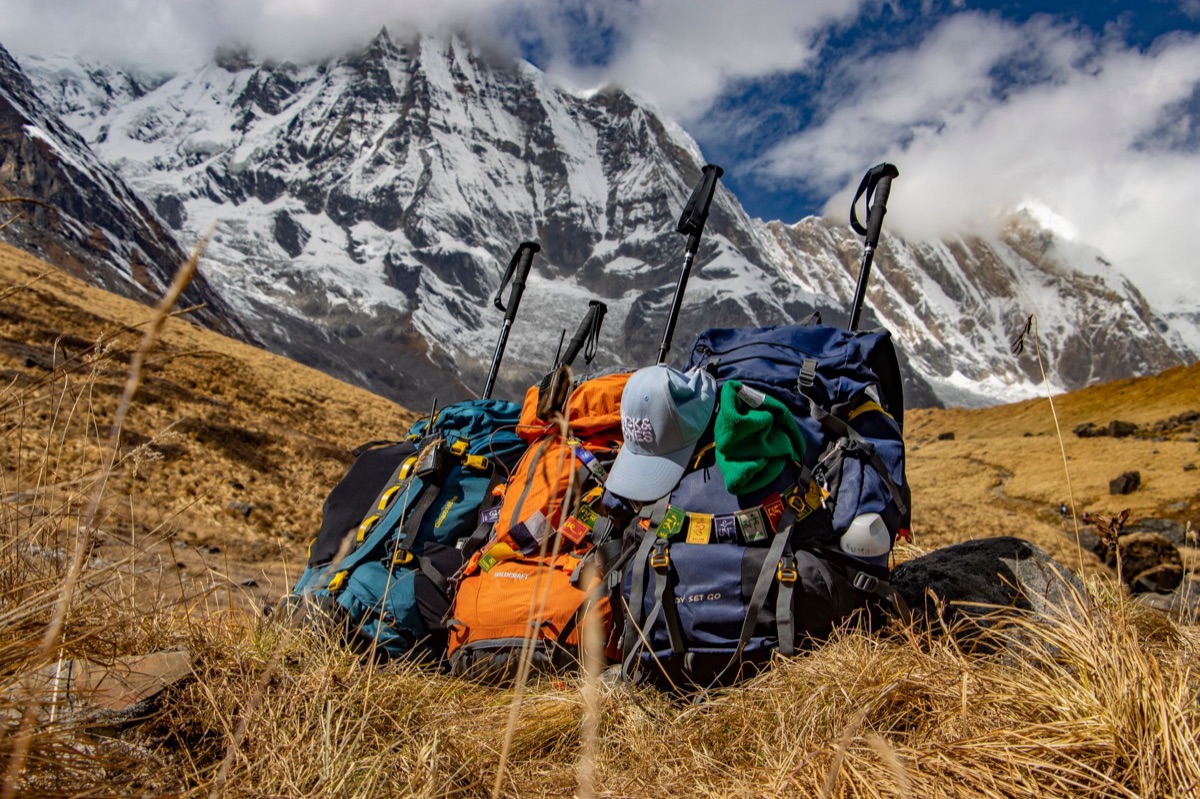
3. Professional Outdoor & Hiking Packs (50L+) For multi-day trekking, you need volume for tents and sleeping bags. At this scale, construction is more important than capacity.
You will need external lashing points to strap down extra gear like trekking poles or sleeping pads effectively.
Material & Durability: Why "Denier" Matters
If you look at a high-end bag description, you’ll see terms like "600D" or "1000D." The "D" stands for Denier, which measures thread thickness.
Generally, the higher the number, the tougher the fabric. However, there is always a trade-off between strength and weight.
| Material | Best Use Case | Key Characteristics |
|---|---|---|
| Polyester | Daily Commuting | Lightweight and budget-friendly. |
| Nylon | High-End/Outdoor | Higher tensile strength than polyester. |
| Cordura® | Tactical/Extreme Hiking | Ultra-durable nylon weave. |
A word of caution: don't chase high denier numbers blindly. A 1000D Cordura bag is incredibly tough, but it is significantly heavier.
If you are just walking to your office in Seattle, a heavy-duty tactical bag might be overkill and unnecessarily cumbersome for daily use.
The Ergonomic Checklist: Getting the Perfect Fit
A backpack that doesn't fit your body is a liability. Poorly fitted bags can lead to shoulder impingement or lower back pain.
Use this checklist before you buy to ensure long-term comfort and health:
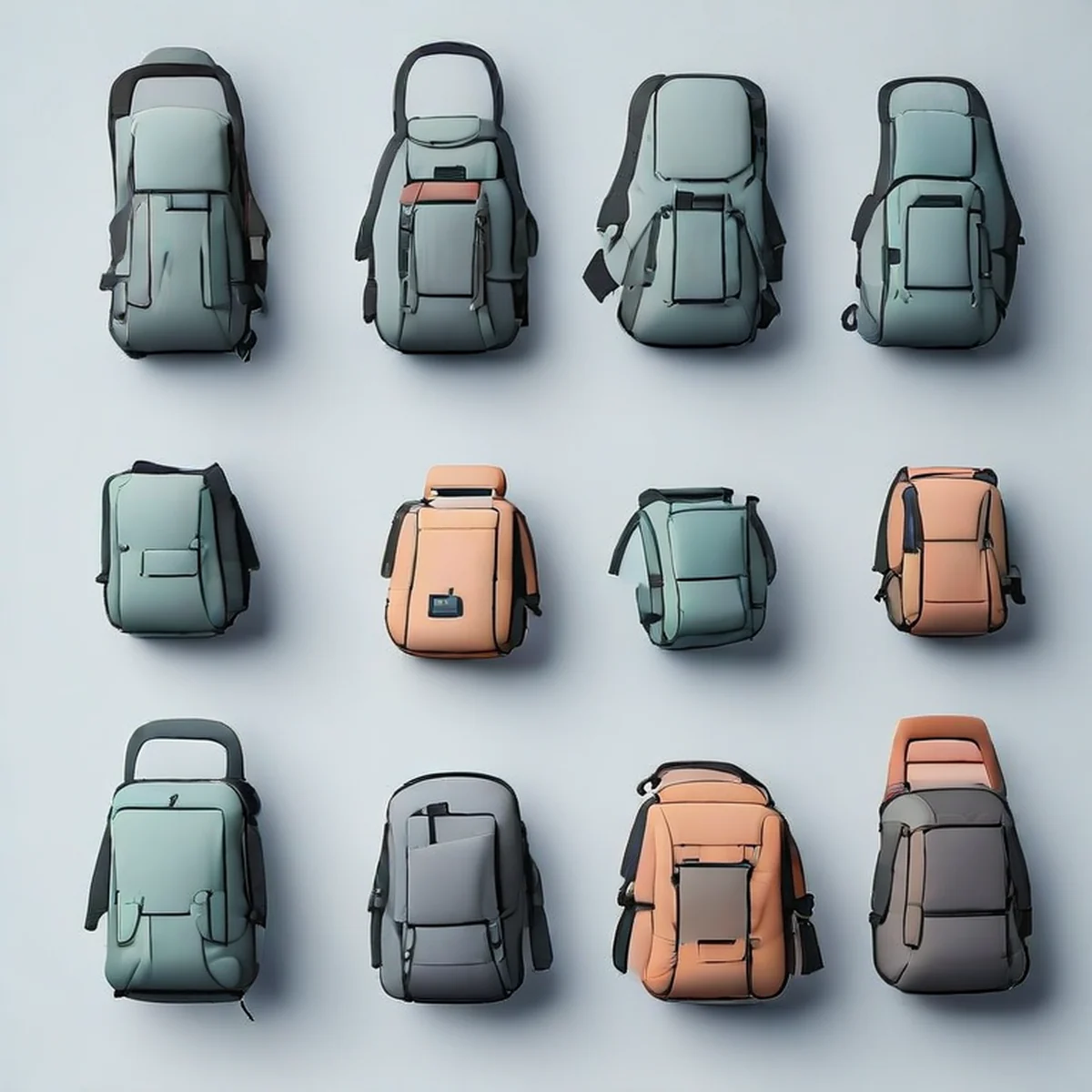
* Load Distribution: Does it have a padded hip belt? A good belt transfers 60–80% of the weight to your hips. * Back Panel Contour: Your back has an S-curve. Look for mesh panels or "air channels" to prevent a sweaty back. * Strap Geometry: Shoulder straps should be thick enough to cushion the load without being so bulky they ruin the bag's shape.
How to Maintain Your Pack for Longevity
Don't toss your expensive backpack into a washing machine. The agitation can warp the frame and strip away waterproof coatings.
- Spot Clean Only: Use lukewarm water and mild, pH-neutral soap with a soft brush.
- Air Dry in the Shade: Never use a dryer. UV rays from direct sunlight can degrade fabric and cause fading.
- Re-apply Waterproofing: If water stops beading off, use a specialized textile spray to restore the protective layer.



Comments 0