Luxury Bag Size Guide: 3 Rules for a Perfect Purchase
"Finding the piece that fits your life isn't just about aesthetics; it's about ensuring the dimensions match your daily rhythm."
Choosing the right luxury handbag size is a strategic decision that balances personal utility with long-term investment value. To avoid buyer's remorse, you must evaluate your daily carry essentials, the physical weight of materials, and how different scales impact your body proportions.
* Lifestyle Alignment: Match micro sizes to social events and medium sizes to professional daily use. * Weight Awareness: Account for "empty weight" from heavy hardware before adding personal items. * Resale Strategy: Stick to classic medium silhouettes to ensure higher liquidity in the secondary market. * 2026 Trend Alert: Current shifts favor soft, unstructured silhouettes over rigid, boxy shapes.
Why Does Size Determine the Success of Your Luxury Purchase?
The biggest mistake most buyers make is ignoring the tension between "visual aesthetics" and "physical weight." You might fall in love with a stunning Chanel flap bag on a mannequin, but if your smartphone and charger cause the leather to bulge, you've compromised the design.
According to the Lyst Index 2026 report, while brand loyalty remains high, "wearability and comfort" have emerged as the top drivers for post-purchase satisfaction among North American consumers. When a bag is overstuffed, it loses its structural silhouette.
I learned this the hard way last fall. I invested in a gorgeous medium-sized structured tote, only to realize that once I added my iPad, the bag weighed nearly 4 pounds on its own. My shoulder was aching by noon, and that "dream bag" ended up gathering dust.
Now, I always prioritize the "optimal comfort point." According to Statista's 2025 luxury consumer survey, approximately 65% of high-end shoppers now prioritize ergonomic design over pure brand prestige when making repeat purchases.
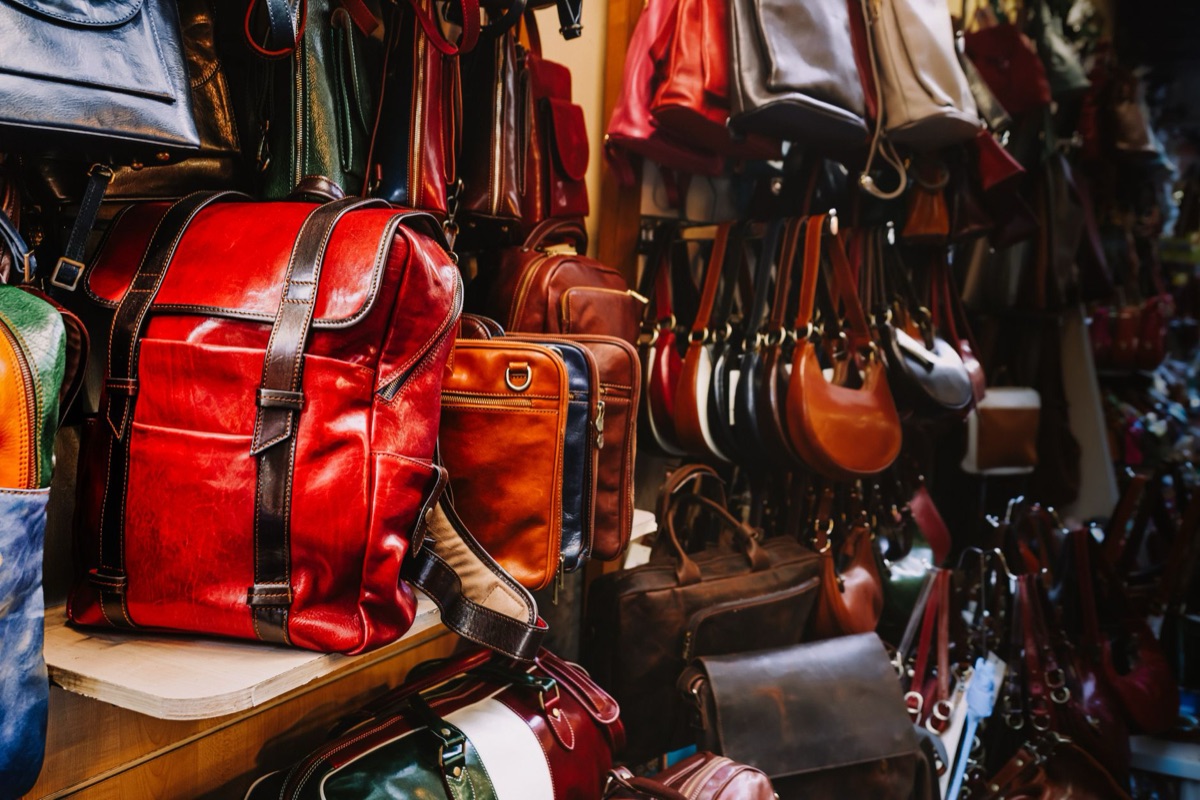
A Practical Guide to Bag Sizes Based on Your Lifestyle
To simplify your decision, I've categorized luxury bags into three functional groups. Use this breakdown to see where your daily routine fits.
| Size Category | Primary Characteristics | Best For... | Typical Essentials |
|---|---|---|---|
| Micro/Mini | High decorative impact; limited storage | Parties, formal dinners | Phone, cards, lipstick |
| Medium (Standard) | The "Golden Ratio" of versatility | Daily office wear, brunch | Wallet, makeup, AirPods |
| Large/Oversized | Maximum utility; high capacity | Commuting, travel | Tablet, planner, water bottle |
1. The Minimalist Approach: Micro & Mini Sizes As seen in recent New York Fashion Week showcases, micro-bags function more as jewelry than luggage. They are stunning for making a statement at a gala or cocktail hour, but they lack practicality.
If you go this route, plan to use a "double-bagging" strategy. Carry your essentials in a slim tote while using the mini bag for style. This keeps your silhouette clean without sacrificing your phone or keys.
2. The Fail-Safe Choice: Medium Sizes This is my top recommendation for most buyers. Most iconic silhouettes, such as the Louis Vuitton Neverfull or classic Chanel flaps, maintain their most balanced proportions in medium sizes.
Because these are the most sought-after dimensions, they also offer the best protection for your investment. According to The RealReal's 2025 Resale Market Report, medium-sized iconic bags saw a 12% higher price retention compared to micro-sizes.
3. The Modern Professional: Large & Big Sizes If your day involves moving between meetings or traveling, a large bag is non-negotiable. However, be extremely cautious about material choice.
A heavy, thick calfskin large tote can become a burden quickly. I've noticed a rising trend in 2026 toward soft lambskin or lightweight nylon blends that offer volume without the crushing weight of traditional leather.
The Correlation Between Bag Size and Asset Value
In the current economic climate, many shoppers view luxury bags as "alternative assets." High-end pieces from brands like Hermès have historically maintained or even increased in value over time.
However, the market is not uniform. While a Birkin holds immense value, its size must match buyer demand to remain liquid. A bag that is too niche—either extremely tiny or massive—might take longer to sell.
Market analysts suggest that the most liquid items are those in "classic medium" dimensions. Micro-bags are often tied to fleeting trends and can lose demand quickly once a fad passes. Aim for iconic proportions for a smart purchase.
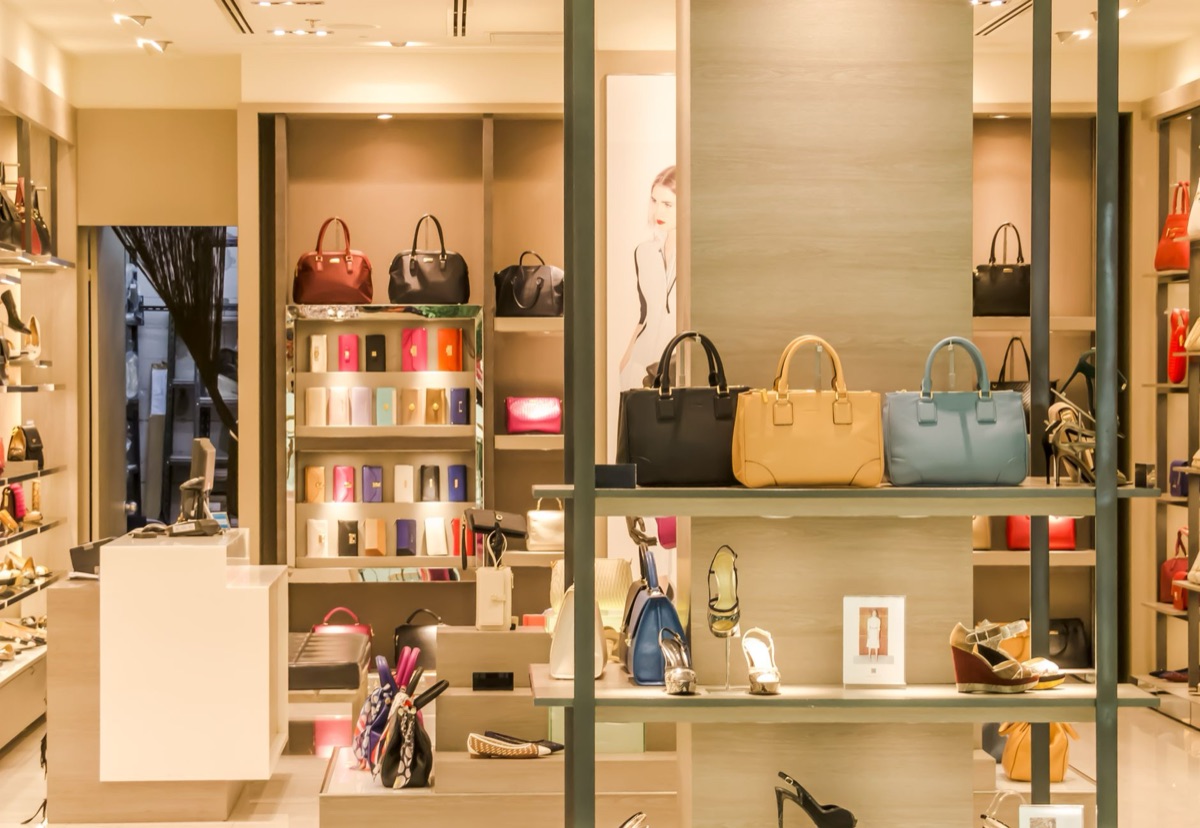
A 3-Step Checklist Before You Swipe Your Card
Before you commit to that purchase in the boutique, run through this mental simulation:
- The Essentials Test: Physically hold your phone and wallet against the bag. Does the opening allow for easy access? Does it look "stuffed" just by looking at it?
- The Weight Check: Ask the associate to let you hold the bag for a few minutes. If possible, imagine your daily items inside. Is the weight distribution balanced?
- The Proportion Match: Stand in front of a full-length mirror. Does the scale of the bag complement your frame? A massive tote can sometimes "swallow" a smaller person.


Comments 0