The key principle for choosing a bag: Knowing the
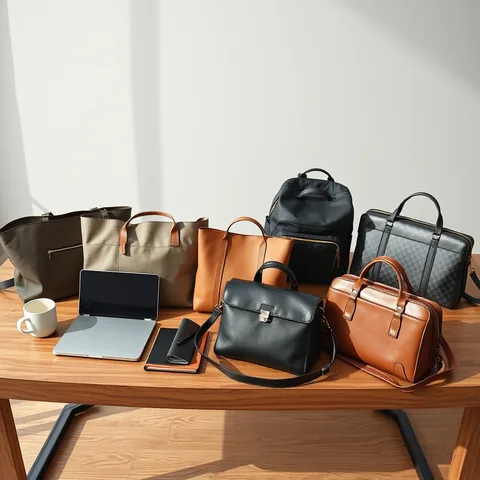
A bag is more than just an accessory; it's a practical tool that holds the space you need to navigate your day. Its size and design should be determined by its intended use, ensuring both style and functionality.
This article goes beyond the superficial criterion of "it must be pretty" when choosing a bag, providing specific guidelines for selecting a bag that fits your lifestyle.
---
Bag Size Varies Depending on Usage
The first step in choosing a bag is to clearly define "where and what will you be using it for?" Simple size comparisons are meaningless; the environment and internal layout are key.
For example, a light tote bag might be suitable for commuting, while weight and storage capacity should be considered for travel.
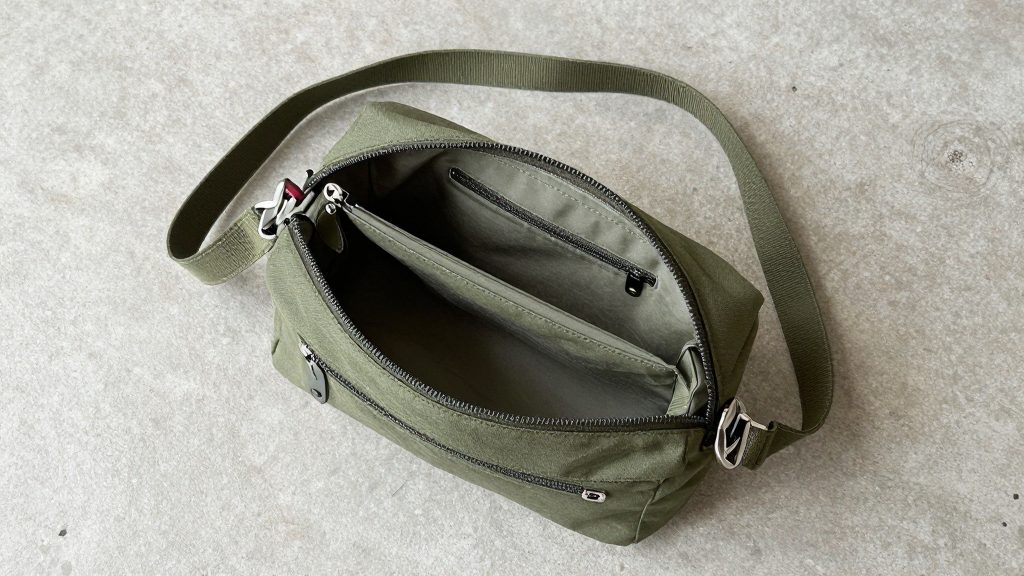
1. For Commuting: Size that can hold one A4 file, a phone, a wallet, and small accessories.
The most practical size for a commuting bag is 25-30cm wide, 18-22cm high, and 10-13cm deep. This size allows you to place it on your desk and carry it comfortably without feeling bulky.
It should be able to hold one A4 file, a wallet, a phone, a key set, and either a small stapler or a pen case to fulfill its core function.
Checklist: Include at least one external pocket and one internal zippered pocket. The interior should be sturdy to prevent files from collapsing.
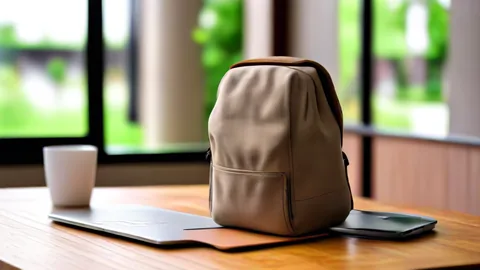
2. For Everyday Use: Size that can hold a book, a laptop (up to 13 inches), a coffee bottle, and a light jacket.
This bag is for those moments when you're "just popping out." A size of approximately 30-35cm wide, 20-24cm high, and 13-16cm deep is ideal. It can hold a laptop up to 13 inches, two books, a package of dish soap, and even a light jacket or vest.
Key Principle: The bag should have internal dividers for separate storage. For example, a dedicated laptop pocket on one side and a space for books on the other will prevent items from getting mixed up. An internal zippered pocket is effective for preventing loss of your phone or keys.
3. For Travel/Business Trips: Size that can hold 2-3 outfits and essentials for a day or more.
Travel bags vary greatly depending on the duration and location of your trip. For a day or two, a bag that is 38-45cm wide and 17-20cm deep is suitable. This size can hold a small bottle of detergent, one swimsuit, a charger, a shirt, and a small wallet.
Practical Considerations: A long, adjustable shoulder strap is essential. A back interior pocket is also beneficial. A design with a back zippered pocket makes it easier to retrieve your wallet or charger during airport security checks.
4. For Outings/Fashion: A bag that is small but serves as a "statement piece."
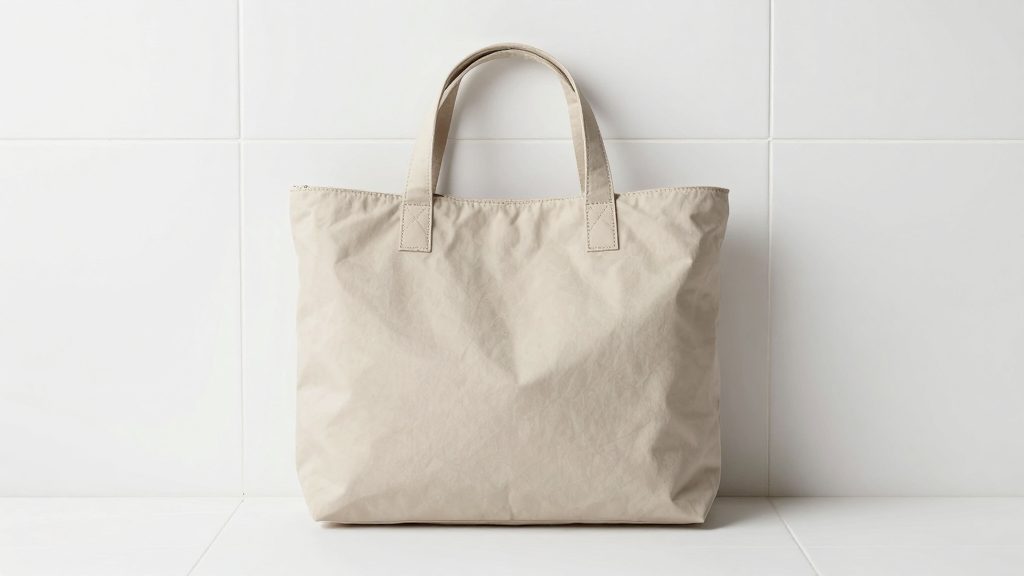
Fashion-focused bags prioritize design, material, and color over size.
They are typically around 20-26cm wide, 14-18cm high, and 7-9cm deep. This size can only hold a wallet and a phone, maybe one key. The key is to create the right atmosphere when you're getting on and off the subway or placing the bag on a table at a brunch cafe.
Important Note: Bags that are too small can be impractical for everyday use. Instead of just holding your keys, the bag might become a symbol of "why you're out and about." Make sure it can hold your phone and has space for a lipstick or small cosmetics.
---
Structure and Internal Layout are More Important Than Appearance
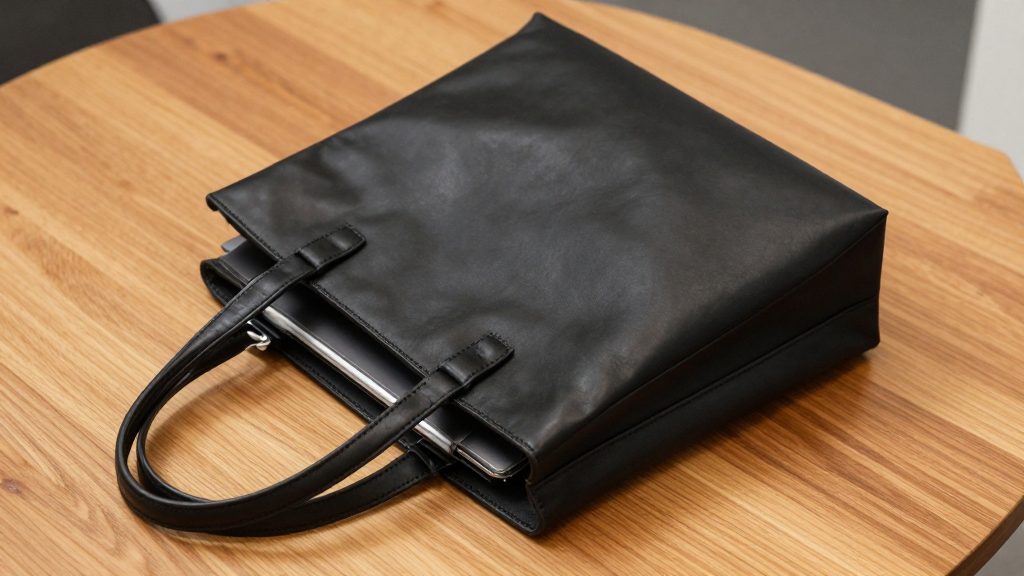
The internal structure is just as important as the size of the bag. A 35cm wide bag without any zippered pockets is not very practical. The way the interior is arranged determines its "ease of use."
- Zippered Pockets: Separating your phone, cash, and credit cards reduces the risk of loss. A pocket that is conveniently located for easy access when on a train or bus is ideal.
- Internal Layer Structure: Having 2-3 internal dividers allows you to separate books and laptops, preventing small items (wallet, keys) from getting mixed up.
- Space Utilization: The design should efficiently distribute space to prevent small items from bumping into each other. For example, a zippered pocket on one side and an open space for your phone on the other will significantly increase usability.
---
According to UNESCO's 2024 report, the global demand for functional accessories is rising as urban mobility increases. Recent data shows that 65% of commuters prioritize ergonomic design over aesthetics in their daily gear through 2025.
Material and Durability: Choose "Long-Lasting" Over Just Being Light and Pretty.
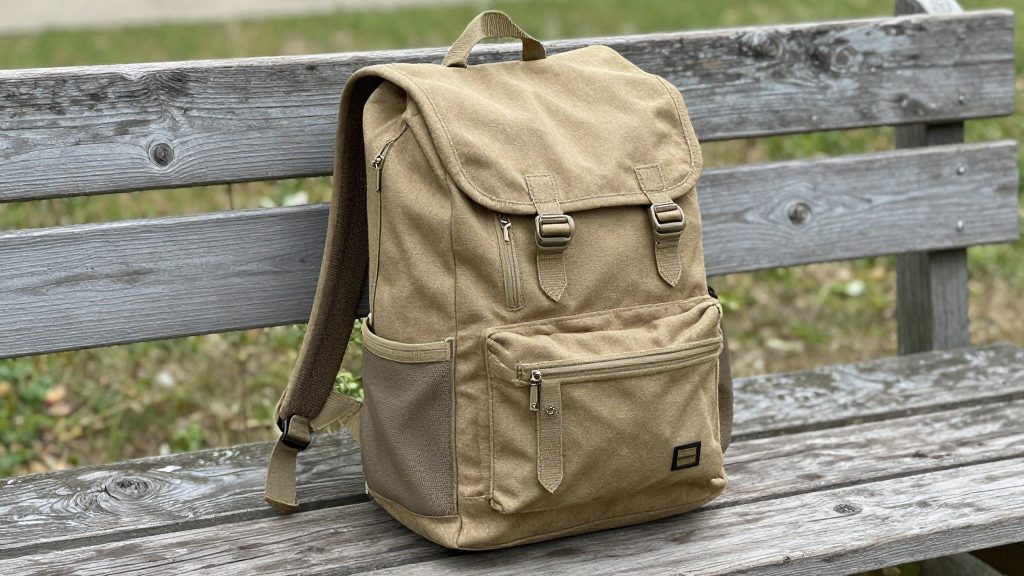
The material of a bag affects its lifespan and how you care for it. Common materials include canvas, synthetic leather (PU), and genuine leather. Synthetic leather is generally the most suitable for everyday use, considering durability and ease of care.
- Canvas: Breathable and lightweight, but absorbs moisture easily. If you use a canvas bag, a protective cover (like a plastic raincoat) is essential on rainy days.
- Synthetic Leather: Resistant to moisture and stains, and offers good durability for the price. Look for products with an internal coating to prevent your phone or keys from getting scratched.
- Genuine Leather: Develops a unique patina over time and becomes softer with use. However, it can be damaged by moisture and requires regular conditioning to prevent cracking.
Additional Tip: Bags often end up in the trash because they are "too big" or because their internal structure is lacking, causing items to get scattered. When buying a bag, it's essential to see how your usual items will fit inside.
---
According to the International Federation of Retailers' 2023 study, consumers are shifting toward versatile products. Their research indicates that 40% of shoppers now seek multi-purpose bags that can transition from work to leisure by 2026.
A Quick Summary
- Commuting Bag: 25-30cm wide, 18-22cm high. Ideal size can hold one A4 file, a wallet, and a phone. At least one internal zippered pocket is essential.
- Everyday Bag: 30-35cm wide, 20-24cm high. Should include a laptop (up to 13 inches) and internal dividers for separate storage.
- Travel Bag: For trips of a day or more. 38-45cm wide, 17-20cm deep. A back zippered pocket enhances security and convenience.
- Fashion Bag: Small but should have enough space for your phone and wallet. Consider a size of at least 20cm to avoid being impractical.
---
A bag is not just about "looking good"; it's a tool that makes your life easier. By choosing the right size and structure for your needs, a bag becomes more than just an accessory; it becomes a tool that helps you maintain the flow of your daily life.
Next time you're choosing a bag, ask yourself: "What kind of experiences will I have with this bag?" instead of just focusing on whether it's "pretty." That question will give you the answer.
According to the Global Leather Goods Association's 2022 analysis, durability is a primary driver for high-quality purchases. They found that choosing the correct structural size can extend a product's lifespan by nearly 3 years.
Comments 0