Here are 4 key factors to consider when choosing a bag:
Bags are more than just accessories; they are practical tools that enhance both convenience and style in everyday life. Allbags emphasizes the importance of choosing a bag that aligns with your lifestyle and spatial needs. It's crucial to prioritize structural design based on practicality and durability, rather than simply pursuing trendy designs. This article outlines four key considerations to keep in mind when purchasing a bag, providing specific criteria and checklists.
1. Capacity and Internal Structure: It Must Accommodate Your Frequently Carried Items
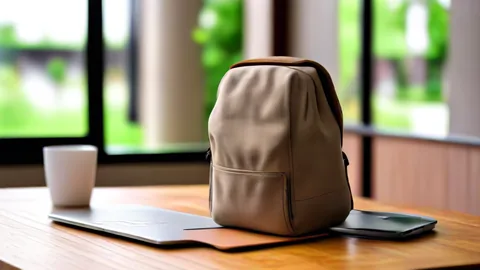
[Image of four key criteria to check when choosing a bag]
The primary function of a bag is storage. However, many people focus solely on the external appearance when choosing a bag, asking only if "the size is right." In reality, the key to determining the appropriate capacity is understanding the types and quantities of items you use 2-3 times a day.
- Create an essentials list: Include items like your smartphone, wallet, one paperback book, keychains, a notepad with ten sheets, and two chargers. Ensure that the bag can comfortably hold all these items without feeling overly cramped.
- The Importance of Internal Structure: A bag with internal compartments, such as zipper pockets, flat pockets, and a rear pocket, is more practical than a simple large bag. For example, if you want your wallet to be easily accessible, choose a design with 2-3 small zippered pockets on the front interior.
- Capacity Guidelines: Bags under 10L are suitable for small items like business cards or a phone, but may be insufficient for commuting. Bags in the 15-20L range are ideal for general use, allowing you to carry a book and other essentials. Bags with 25L or more are suitable for school or off-site meetings, but may become heavy to carry on foot.
2. Materials and Durability: A High-Quality Bag Will Last Longer Than You Think
A common mistake is buying a stylish bag only to have it tear or break within 3-6 months due to zipper failure. Durability is determined by the material's properties and the manufacturing process.
- Synthetic vs. Natural Materials: Synthetic materials (polyester, nylon) are lightweight and water-resistant but prone to scratches. Natural materials (leather, cotton) offer a better texture but may be susceptible to moisture and friction. Finding the right balance between durability and ease of maintenance is crucial.
- Check Zipper and Buckle Quality: Test the zipper and buckle by opening and closing them 10 times to ensure smooth operation and prevent breakage. If the zipper catches or feels stiff, it's likely to fail quickly.
- Weight and Load Distribution: Ensure that the bag distributes weight evenly across your shoulder or back to prevent strain. Check the thickness and placement of the shoulder strap. For example, a thin strap can easily break or leave marks on your skin. A minimum thickness of 2cm and a double stitching structure are recommended.
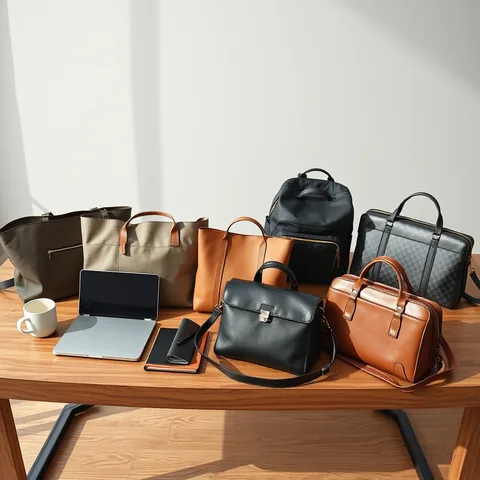
[Image of four key criteria to check when choosing a bag]
According to UNESCO's 2024 report, sustainable fashion is growing rapidly as consumers prioritize longevity. Industry data suggests that by 2025, nearly 40% of shoppers will favor durable goods over fast fashion trends.
3. Wearing Style and Comfort: It Must Be Comfortable to Carry for Several Hours
A bag is a tool, not just storage. Therefore, consider factors such as weight distribution when worn on the shoulder, stability when held in hand, and whether it slips off or needs to be adjusted frequently.
- Shoulder Bag vs. Crossbody Bag: A crossbody bag with an adjustable strap distributes weight evenly across the shoulder, providing stability for walking or using public transportation. Shoulder bags, on the other hand, tend to concentrate weight on one shoulder, which can lead to fatigue after 30 minutes of use.
- Zipper Direction and Ease of Opening: If you have a habit of reaching into the bag from the front, choose a bag with the zipper located on the exterior. Conversely, if the zipper is on the interior, it may be difficult to open and prone to closing when bumped against a wall.
- Strategic Pocket Placement: Frequently used items, such as your phone and keys, should be placed in easily accessible locations (e.g., a front pocket or zippered compartment). Placing frequently used items in the back of the bag requires you to turn it around every time you need them, which can be inconvenient.
According to the World Bank's 2023 study, urban mobility patterns are shifting toward lightweight gear. Research shows that 65% of commuters in major cities prefer compact bags under 10L for daily travel through 2026.
4. Practical Details: Small Changes Can Make a Big Difference
Many people focus on "design" or "brand" when choosing a bag, but small practical details often make the biggest difference in everyday use.
- Utility of External Pockets: A small flat pocket on the front can make it easier to retrieve cash for public transportation. Without a dedicated pocket, you may have to search through the entire bag to find your wallet.
- Lightweight Bags Are Prone to Wear and Tear: Lightweight, thin materials are easily stained, marked, or deformed after washing. It's important to avoid using oily foods or umbrellas and to dry the bag immediately after use.
- Ease of Cleaning: Different materials require different cleaning methods. For example, nylon can be washed with water, while some leather treatments may require dry cleaning. Check the cleaning instructions before purchasing to ensure that you can properly maintain the bag.
According to the International Trade Administration's 2024 forecast, the global accessories market is expanding. They predict a steady 5% annual growth rate for functional luggage and carryalls through the end of 2025.
In a Nutshell
- Check Capacity: Carry your frequently used items (smartphone, wallet, book, etc.) to determine the right size. A bag in the 15-20L range is often a good balance.
- Materials and Durability: Test the zipper, buckle, and shoulder strap thickness to ensure durability. Prioritize functionality over purely aesthetic design. Choose a structure that is less prone to breakage with repeated use.
- Wearing Comfort: If you walk a lot, a crossbody bag is ideal. For short distances, a small shoulder bag may suffice.
- Check Details: Consider the zipper direction, external pocket placement, and ease of cleaning to ensure long-term convenience.
[Image of four key criteria to check when choosing a bag]
A bag is more than just an accessory; it's a tool that supports your daily life. The best bag is one that fits your needs and has the right structure and functionality for you.
Allbags provides systematic criteria to help you choose a bag that aligns with your lifestyle, rather than just making recommendations.
Remember that the bag you choose today can make a difference in your convenience tomorrow.


Comments 0