5 Essential Tips to Spot Fake Luxury Bags and Protect Value
Master the art of authentication to protect your investment and ensure every luxury purchase is genuine.
The golden sunlight hits the polished brass of a vintage flap bag sitting on a velvet tray. You run your thumb over the grain, feeling the unmistakable weight of calfskin, but a nagging thought lingers: is the stitching too perfect to be human?
This uncertainty is the reality of the modern luxury market.
* Focus on the "Trinity of Authenticity": Material integrity, hardware precision,s and stitching consistency. * Understand that high-end counterfeits often mimic aesthetics but fail on structural durability and scent. * Verify serial numbers, date codes, and holographic/microchip elements specific to the brand's era. * Develop a critical eye for "micro-details" like grain patterns and hardware weight to spot high-quality fakes.
Why is distinguishing authentic luxury bags becoming more critical?
Walking through a crowded terminal at JFK, you see a traveler clutching a bag that looks identical to a seasonal runway piece. The leather looks right, the logo is unmistakable, but the way the handle sags under its own weight suggests something is off.
This visual puzzle is becoming increasingly difficult to solve.
The rise of "super-fakes" has fundamentally changed the landscape. Modern counterfeiters use high-end machinery to mimic the exact grain of premium leathers, making visual inspection alone insufficient. This isn't just a matter of style; it is an economic crisis for the luxury industry.
The counterfeit market dilutes brand heritage and can devast0ate the resale value of legitimate pieces.
The vulnerability of the market is particularly evident in the younger generation. According to a report released by authentication service Entrupy, 52% of shoppers age 15-24 purchased a counterfeit item in 2022.
This statistic highlights how easily even tech-savvy consumers can be misled by sophisticated replicas. Because these fakes are becoming more common, the stakes for every buyer—whether shopping at a boutique in Paris or a resale shop in New York—have never been higher.
Material Integrity: How to judge leather and fabric quality?
You pick up a heavy tote at a consignment shop in SoHo. The leather feels cold to the touch, but as you lean in, a sharp, chemical scent hits your nose, momentarily masking the supposed aroma of expensive hide. This sensory conflict is the first red flag.
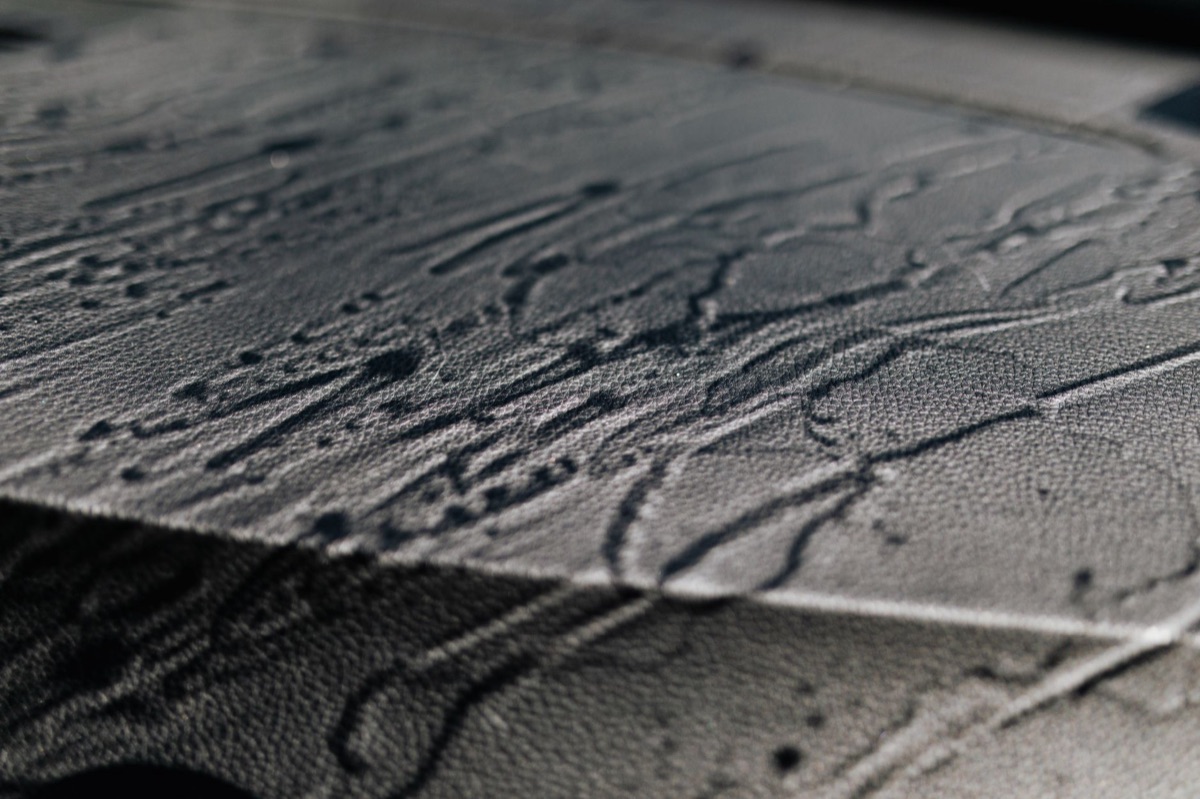
The primary difference between an authentic piece and a replica lies in the tactile experience. Genuine full-grain leather is a natural product; it should feel substantial, slightly irregular, and possess a depth that synthetic or heavily coated "leather" substitutes cannot match.
If the material feels unnaturally plastic or lacks the organic warmth of real hide, proceed with caution.
Scent profiles are another critical giveaway. Authentic luxury goods often carry a distinct, natural leather aroma. Fakes, however, frequently emit a chemical or plastic scent due to the cheap tanning processes or synthetic coatings used to mimic the look of leather.
Furthermore, look for lyrical consistency in the grain. If the pattern looks too repetitive—as if it were stamped by a machine rather than being the natural variation of an animal hide—it is likely a cheap embossing. Finally, consider the weight.
Authentic materials have a density that provides a balanced feel, whereas counterfeits often feel hollow or unnaturally light.
Hardware and Logo: What are the subtle red flags?
The sunlight glints off a gold-toned clasp during an afternoon tea. You notice the metal feels surprisingly light, almost like plastic painted gold, and the engraving of the brand name looks slightly blurred at the edges.
This mismatch between expectation and reality is the hallmark of a counterfeit.
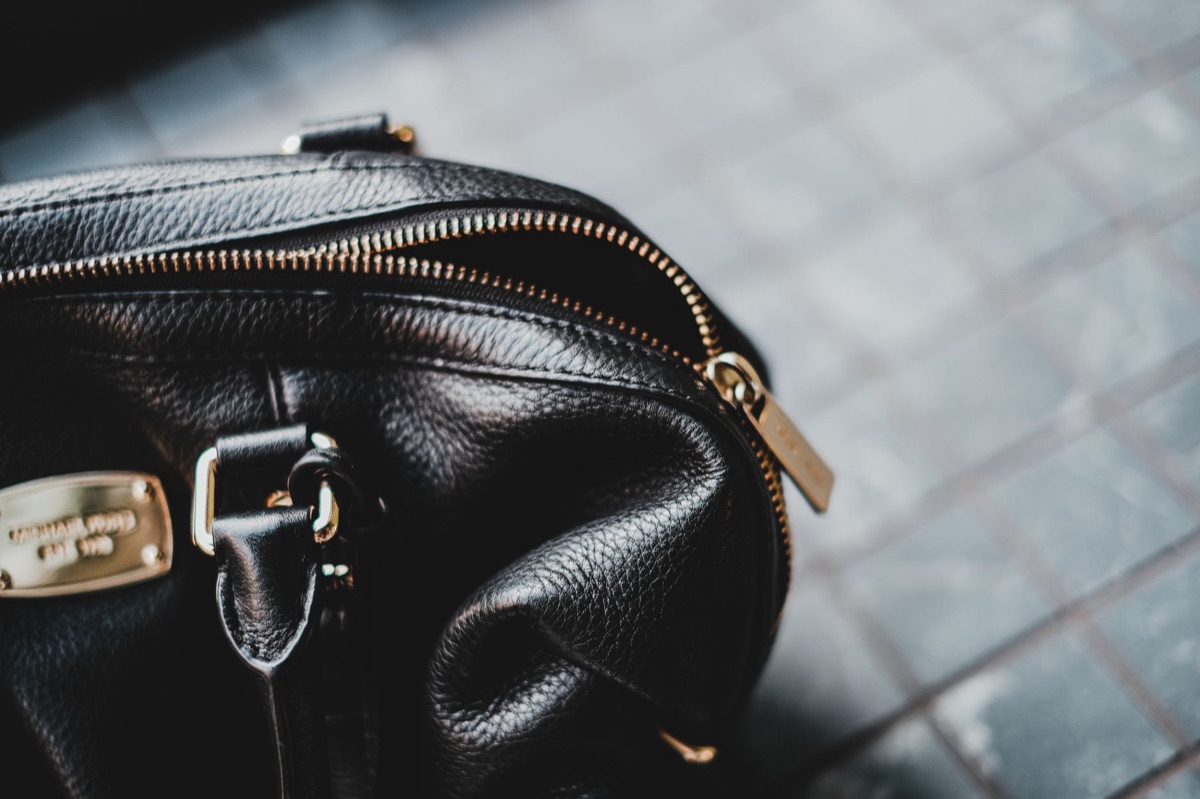
Hardware is often the most expensive component to replicate accurately. Genuine hardware is typically heavy, made of solid metals or high-quality plating like gold or palladium. It should not feel "tinny" or light.
If you tap the hardware, it should have a solid, muted sound rather than a hollow ring.
The logos themselves are a primary target for counterfeiters. Inspect the depth of the engraving and the "kerning"—the spacing between the letters. In authentic pieces, the font is crisp, the spacing is mathematically precise, and the embossing is deep.
If the colors look "too yellow" or "too orange," they are likely cheap plated metals rather than true gold. Additionally, check the zipper mechanics. A high-end zipper should glide smoothly without catching, and the branding on the zipper pulls should be sharp and perfectly aligned.
Stitching and Construction: The marks of craftsmanship?
A craftsman in an Italian atelier spends hours perfecting a single seam. The thread is pulled to a tension that is firm yet allows the leather to breathe. This level of human precision is what separates a masterpiece from a mass-produced imitation.
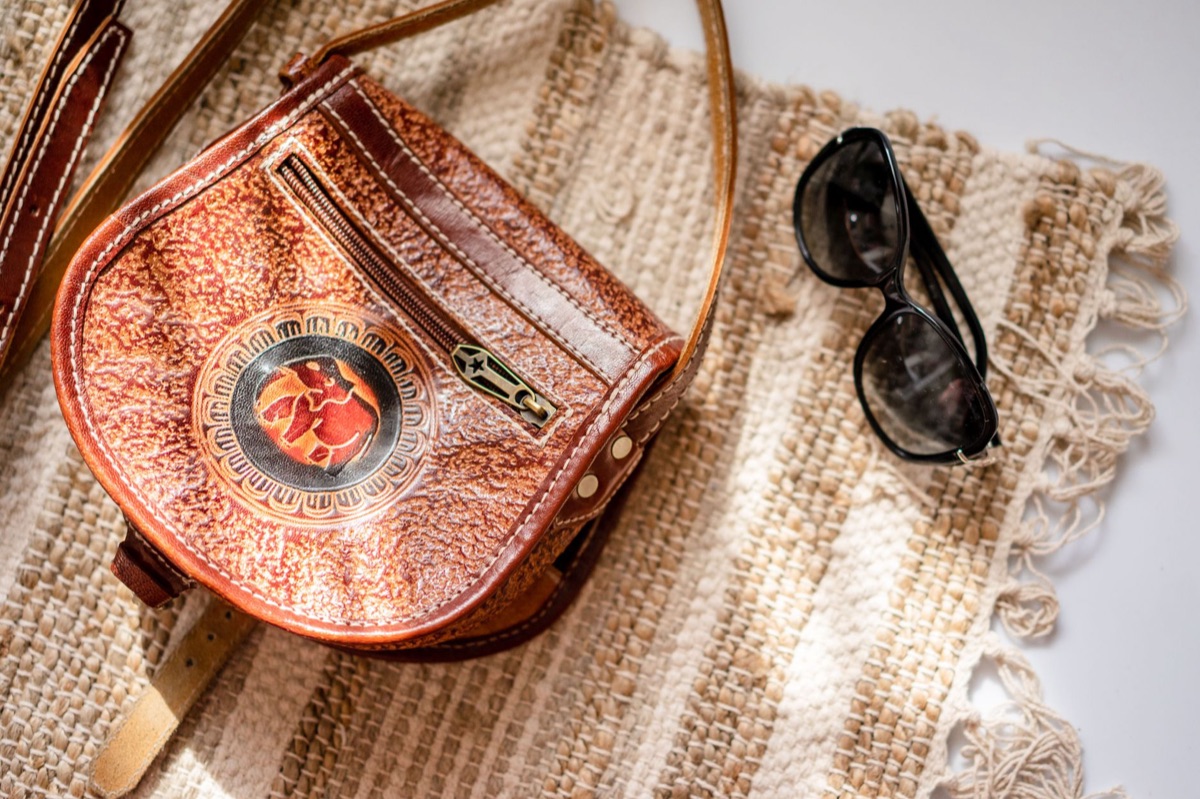
Stitch tension is the ultimate test of construction. In an authentic bag, the spacing between stitches is perfectly even, and the thread thickness remains consistent throughout the piece.
You should look for the absence of "back-stitching" (where threads overlap haphazardly at the ends) or loose, dangling threads.
The edges of the bag also tell a story. Professional "edge painting" or glazing should look smooth, uniform, and slightly rounded. If the dye looks like it is bleeding into the leather or appears unevenly thick, the construction is inferior.
Structural integrity is also key: an authentic bag is engineered to hold its shape or sag in a very specific, intentional way. If the bag collapses awkwardly when empty, the internal reinforcement is likely missing. Finally, inspect the internal lining.
The assembly should be seamless, with no raw edges or glue marks visible where the lining meets the exterior.
Serial Numbers and Digital Authentication: How to verify the paper trail?
You flip the bag open to find a small, discreet leather tab. You look for the serial number, but the font looks different from the photos you saw online. This discrepancy between the physical item and the digital record is where many buyers lose their investment.
Understanding the "paper trail" requires knowing the history of the brand. Placement is everything; serial numbers, date codes,ly or microchips are placed in specific locations depending on the era and the specific model.
Comparing the typeface of a serial number to official brand archives is essential, as counterfeiters often use the wrong font weight or spacing.
Modern technology is also changing the game. Many luxury brands now use RFID/NFC chips or blockchain-based certificates to provide a digital fingerprint for their goods. While these are helpful, they are not foolproof.
The danger of "cloned" documents is real—a paper certificate or a printed hologram can be easily forged. Always treat a paper certificate as a secondary piece of evidence, not the primary proof of authenticity.
The Professional Checklist: A step-by-step inspection guide?
You sit down at a cafe table with your new purchase, pulling out a small notebook to run through your final checks. This systematic approach ensures that no detail, no matter how small, is overlooked.
| Feature | What to Look For (Authentic) | Red Flags (Counterfeit) |
|---|---|---|
| Material | Natural grain, distinct scent, substantial weight. | Plastic feel, chemical smell, hollow weight. |
| Hardware | Heavy, precise engraving, smooth zippers. | Light/tinny feel, blurred logos, catching zippers. |
| Stitching | Even spacing, consistent thread, clean ends. | Uneven tension, loose threads, messy overlaps. |
| Edges | Smooth, uniform glazing/painting. | Bleeding colors, uneven thickness, rough edges. |
| Identity | Consistent fonts, era-appropriate placement. | Wrong fonts, misplaced codes, fake papers. |
The 4-Step Inspection Guide:
- The "Weight and Feel" Test: Perform an initial physical assessment. Is the bag's weight consistent with its supposed materials? Does the leather feel organic or synthetic? 2.ly. The "Micro-Detail" Scan: Examine the hardware, stitching, and logos. Look for the precision of the engravings and the consistency of the threadwork. 3. The "Internal Audit": Check the lining, the serial number placement, and the internal construction. Is the interior as well-made as the exterior? 4. The "Context Check": Compare the item against known authentic models from the same era. Does the font, the hardware color, and the construction match the brand's history? #




Comments 0