Plastic bag laws impact: Why rules boost reuse habits
"The goal is to shift consumer habits through strategic policy, moving from a culture of convenience to one of conscious reuse."
Governmental interventions aim to curb single-use plastic bag use by implementing levies that encourage the transition to reusable alternatives.
This article examines how specific legislative frameworks shape consumption patterns and explores the environmental trade-offs involved in choosing different bag materials.
Key takeaways include the effectiveness of retail-based charging schemes, the importance of coverage in legislative scope, and the lifecycle considerations of alternative carriers.
How do plastic bag laws impact consumption?
A shopper stands at a checkout counter, reaching for a thin plastic bag only to be met with a mandatory fee. This interaction represents the fundamental mechanism of environmental levies designed to alter consumer behavior through direct cost.
The implementation of a charge on plastic shopping bags (PSBs) serves as a direct tool to reduce waste. By attaching a financial cost to single-use items, governments attempt to drive a shift toward sustainable habits.
In one specific historical case, the Environmental Protection Department (EPD) put forward legislation on PSB Charging in 2007. This move aimed to address the growing issue of disposable plastics at the source of distribution.
The goal of such policy drives bag shift by making the environmental cost visible to the consumer at the point of sale. When a charge is introduced, the immediate psychological and financial impact can prompt individuals to reconsider their necessity for single-use items.
This type of regulation is often designed to target the most frequent points of contact between businesses and the public.
In this sequence, the first step is the most significant.
How do legislative limits on disposables work?
A clerk scans a reusable bag while a customer compares the cost of the levy against the price of a sturdy alternative. This moment of decision highlights the tension between immediate convenience and long-term environmental responsibility.
Legislation often targets specific sectors to maximize the impact of the change. For example, the EPD estimated that certain registered retail categories were accountable for 65% of the pre-levy PSB distribution, and the overall reduction in PSB usage could be as high as 90%.
By targeting the primary distributors, the policy attempts to capture the largest volume of plastic entering the waste stream.
However, achieving consumption goals requires comprehensive coverage across all retail environments. In the early stages of the Hong Kong scheme, the policy only covered 3,000 registered retail outlets.
Because the scheme was limited in scope, the PSB disposal originated from other non-registered retailers had increased by 6.7% since the first phase implementation. This demonstrates that incomplete coverage can lead to unintended shifts in waste patterns.
- Legislators identify high-waste materials.
- Laws are drafted to limit availability.
- Enforcement mechanisms are established.
Why do rules boost reuse habits?
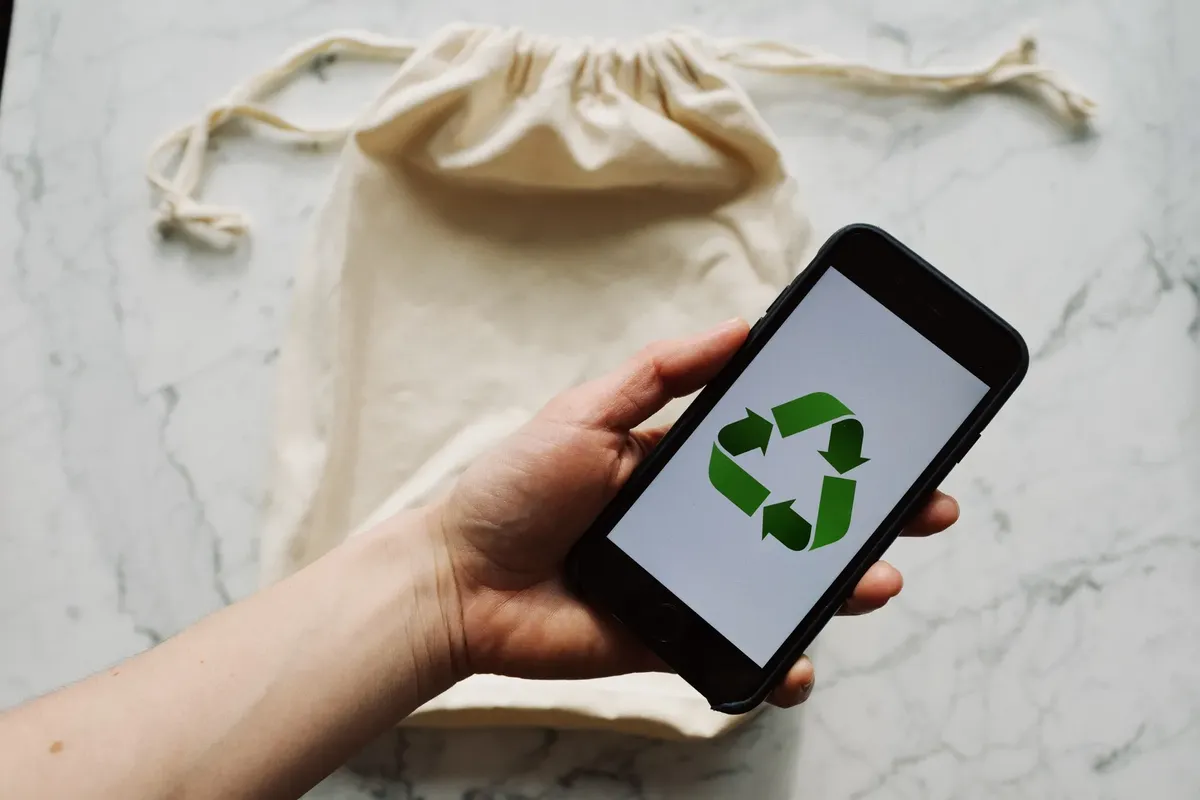
A person pulls a folded cloth bag from their pocket, prepared for a spontaneous trip to the market. This habit-forming action is the ultimate goal of environmental regulation, turning a one-time change into a permanent lifestyle adjustment.
When a tax is applied, it can catalyze the development of new, more sustainable routines. In the surveyed population, around 80% of respondents reckoned that they have developed the habit of BYOB (Bring Your Own Bag).
This shift suggests that once the initial friction of a new rule is overcome, the behavior can become a standard part of the shopping experience.
The effectiveness of these shifts is often reflected in consumer choices. According to the survey results, there was a significant 75% of decrease of PSB disposal in mid-2010 than in mid-2009.
This indicates that when a policy is successfully adopted, the physical reduction in waste becomes measurable.
In this sequence, the second step is the most significant.
What are the environmental trade-offs of different bags?
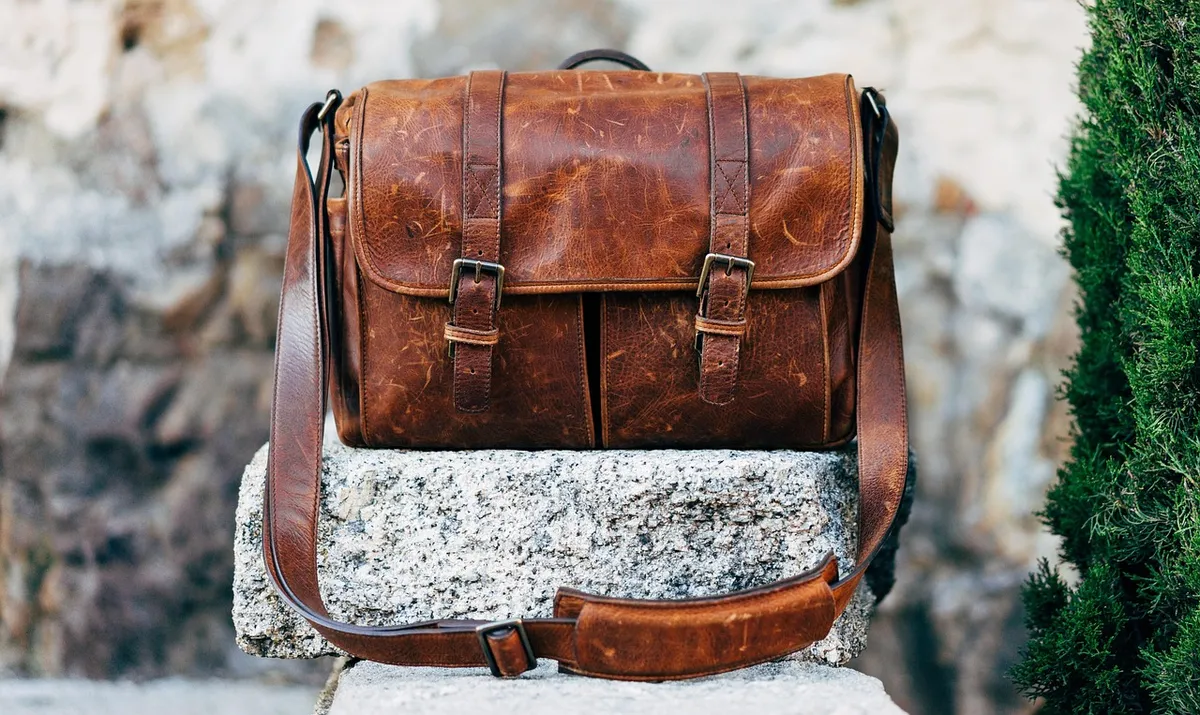
A consumer holds a cotton tote in one hand and a plastic bag in the other, weighing the environmental impact of each. This comparison reveals that "eco-friendly" is often a matter of usage frequency and lifecycle analysis.
While reducing plastic is a primary goal, switching to other materials introduces new environmental variables.
A 2018 study by the Danish Environmental Protection Agency found that cotton bags would need to be used 52 times with regard to climate change, and up to 7,100 times considering all environmental indicators.
This highlights that the benefit of a reusable bag is heavily dependent on the longevity of its use.
The shift in material usage can also lead to different types of waste. It was found that the use of non-woven bags and rubbish bags had surged by 96% and 63% respectively.
These unintended consequences show that while one form of waste may decrease, another might increase if the substitution is not managed carefully.
| Metric | Value |
|---|---|
| Registered retail coverage percentage of pre-levy distribution | 65% |
| Potential overall reduction in PSB usage | 90% |
I observed that as the charge was introduced, the focus shifted from mere disposal to the total lifecycle of the carrier.
In this sequence, the first step is the most significant.
Can policy-driven shifts be sustained?
A local community gathers to discuss new recycling initiatives, showing how policy can spark broader social movements. Sustaining a shift in consumption requires constant engagement and the evolution of rules to match changing habits.
The success of a levy often depends on public perception and the perceived fairness of the charge.
In one instance, around 80% of all the respondents considered that the tax was effective in reducing the use of PSBs, and the majority of them opined that a 50 cent charge would not add to their financial burden. This level of public acceptance is crucial for the longevity of environmental laws.
Despite these successes, the transition is rarely seamless. The Hong Kong Plastic Bags Manufacturers' Association opposed the proposed environmental levy, alleging that PSBs were more environmentally friendly than other single-use carriers such as paper bags.
Such industry pushback highlights the ongoing debate regarding which materials truly serve the environment best.
In this sequence, the second step is the most significant.
Wikipedia: Environmental issues in Africa (full) Based on the retained excerpt mentioning Food and Agriculture Organization: The United Nations' Food and Agriculture Organization (FAO) estimates that 11.3 million hectares of land are being lost annually to agriculture, grazing, uncontrolled burning and fuelwood consumption.
The subject here is Plastic bag laws impact.
The same subject is also called Eco laws curb bag use.
The same subject is also called Legislation slows disposables.
Related





Comments 0