The key to choosing a bag isn't about "style" or "concept,"
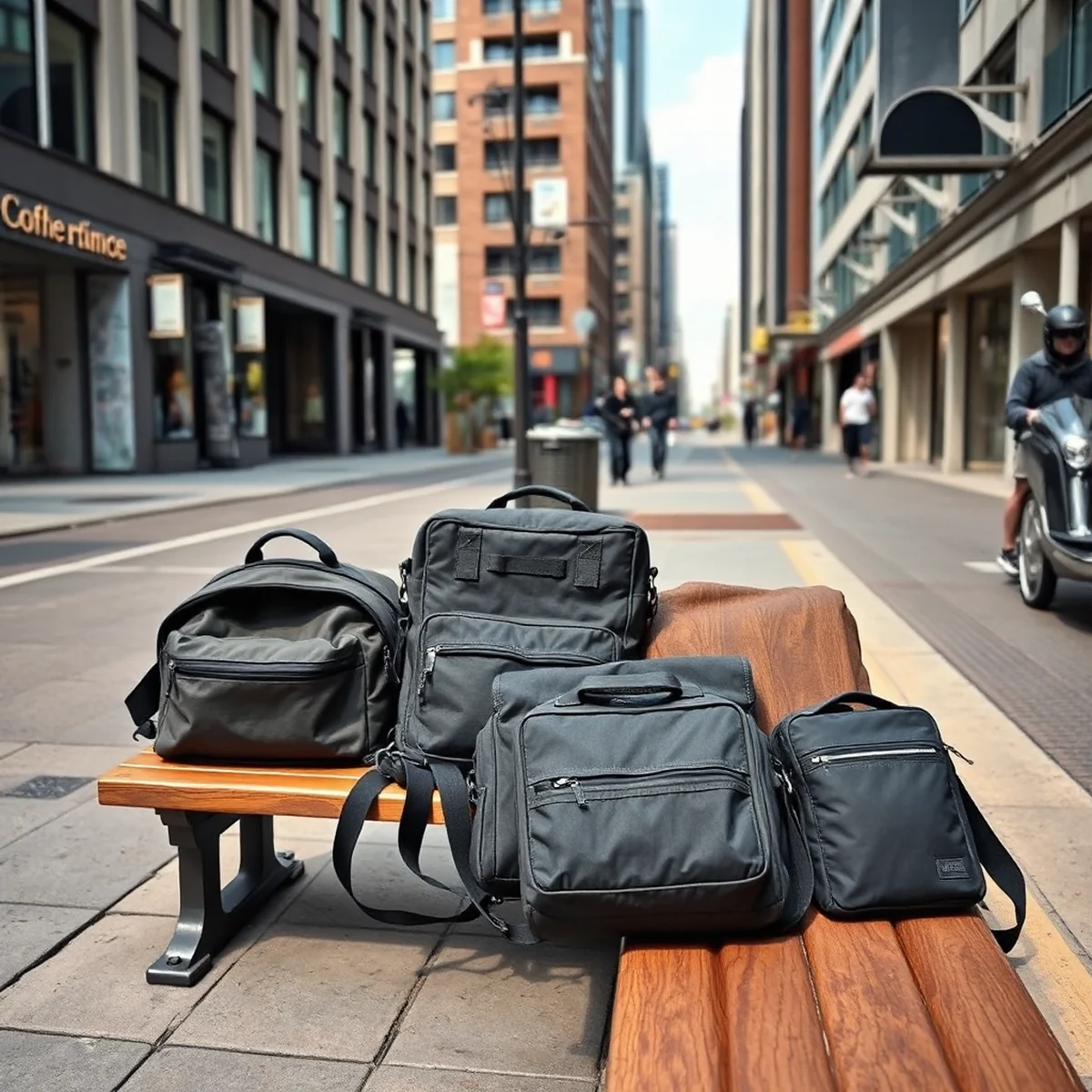
Bags are more than just a way to carry things; they're essential accessories that connect your everyday look with your personal style.
Many consumers today are looking for a sense of "style" in their bags.
However, this often focuses on superficial aspects.
For example, slogans like "complete your style with one bag" tend to emphasize emotional elements like "beautiful" or "unique." Today, let's take a more direct and practical approach.
The most important factor when choosing a bag is 'utility'. Especially, if you don't consider its practicality in everyday use, even a stylish bag can end up being just "decoration in your closet." This article will present selection criteria focused on the practicality of bags, avoiding overlap with the idea of "completing your style with one bag." We hope that by choosing a bag that suits your purpose and situation, you can answer the question: "Is this really necessary?"
1. Prioritize 'Storage Efficiency' over Size
One of the first criteria that comes to mind when choosing a bag is 'size.' It's often assumed that bigger is better, while smaller bags are "smart." However, this can be misleading. The assumption that a larger bag is automatically more 'practical' is incorrect.
In fact, 'storage efficiency' is more important than size. This means evaluating how full the bag can get and how well its contents are organized.
For example, a working professional who needs to carry A4 files might buy a large bag, but the files inside could become disorganized, making it difficult to find specific documents.
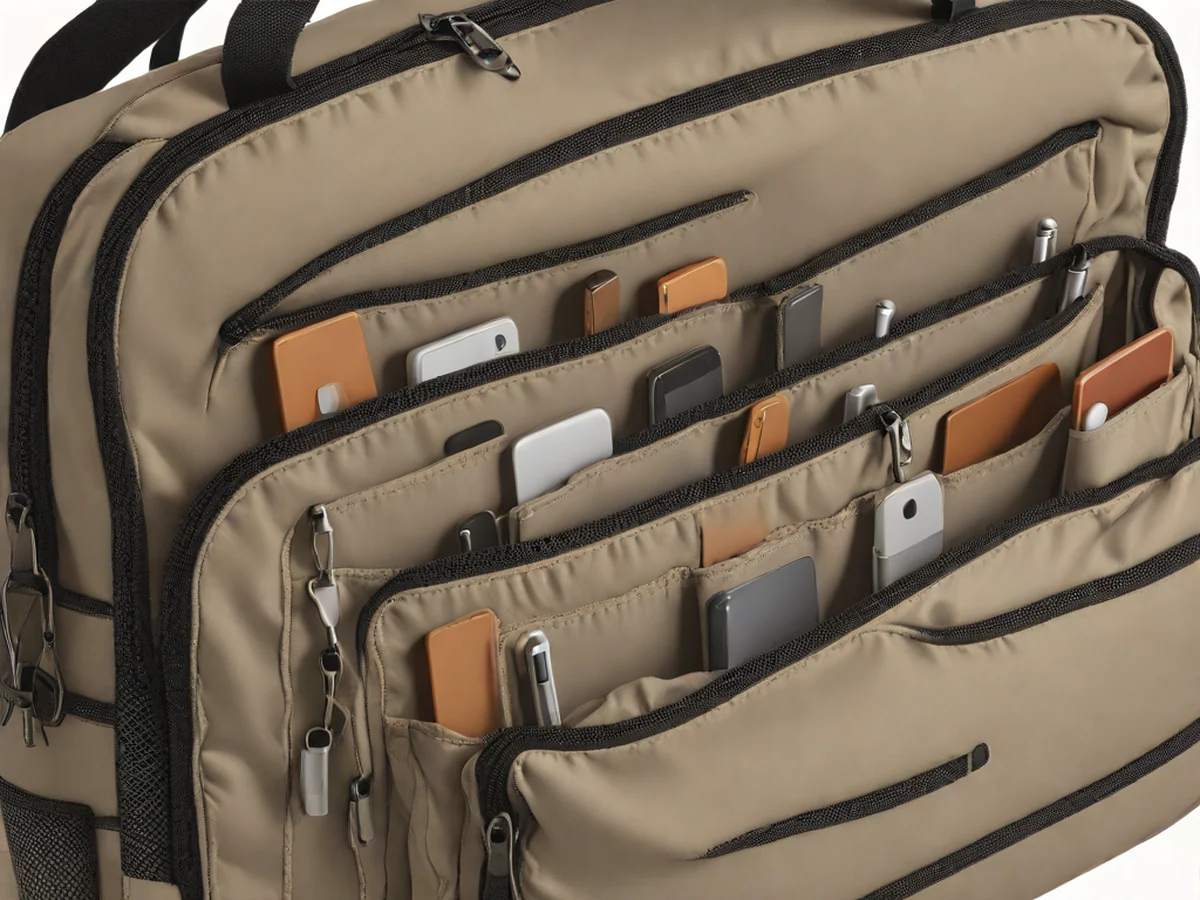
Conversely, even a "small bag" can be highly efficient if it has a well-designed interior with document pockets, wallet pockets, and even a smartphone stand.
Many bags today feature "adjustable pockets" or "removable compartments," offering users more options and allowing them to quickly access specific items.
The ideal bag size should be "just right." A bag that's too large can strain your shoulders, while one that's too small might not be able to hold everything you need.
However, instead of focusing on "how big is too big," it's more important to list the items you carry every day and compare their quantity and size. Once you know what you need to fit – books, laptops, portable chargers, medication, cosmetics – the appropriate size will become clear.
2. Prioritize 'Usability' over Appearance in Materials
The material of a bag greatly affects its overall look, but ultimately it determines "how long you can use it." While materials like silk or lace may be visually appealing, they are not practical for everyday use.
Especially, bags are exposed to the elements, so durability and ease of maintenance are crucial. For example, leather is luxurious and long-lasting, but it can be damaged by rain or discoloration.
In contrast, polyester or nylon with a water-resistant coating can be used with confidence even in wet conditions.
The weight of the material is also an important factor. Since bags are "worn on your shoulders," heavy materials can strain your neck and back during extended use. While materials like silk or cork may look elegant, they can also be surprisingly heavy.
Therefore, it's important to consider how often you will be carrying the bag. If you commute daily and walk, we recommend synthetic fiber materials that are lightweight and water-resistant.
This is a practical choice that considers the demands of your lifestyle and allows you to use the bag without worry, even on rainy days.
Also, consider the "ease of cleaning." Leather requires annual care, while fabric materials can be difficult to wash. However, some coated nylon materials can be cleaned simply by rinsing with water.
If you prioritize practicality, choosing "easy-to-clean and damage-resistant materials" is a sensible approach. This is an essential factor for long-term use.
According to UNESCO's 2024 report, sustainable consumption patterns are shifting toward durability. Data from 2023 shows that 65% of consumers now prioritize long-lasting materials over fleeting trends.
3. Consider the 'Shape' of the Bag, Not Just the Design
One common misconception is that a bag "must be aesthetically pleasing." However, what's truly important when using a bag is its "shape." For example, an A-line tote bag has a wide opening, making it easy to put things in, but it can be unstable or sway when you walk.
On the other hand, a rectangular shoulder bag is more stable and comfortable to carry by the handle. Therefore, the shape of a bag should adapt to the user's movements and situation.
For example, when shopping or traveling, a bag with a "large and wide shape" is more convenient.
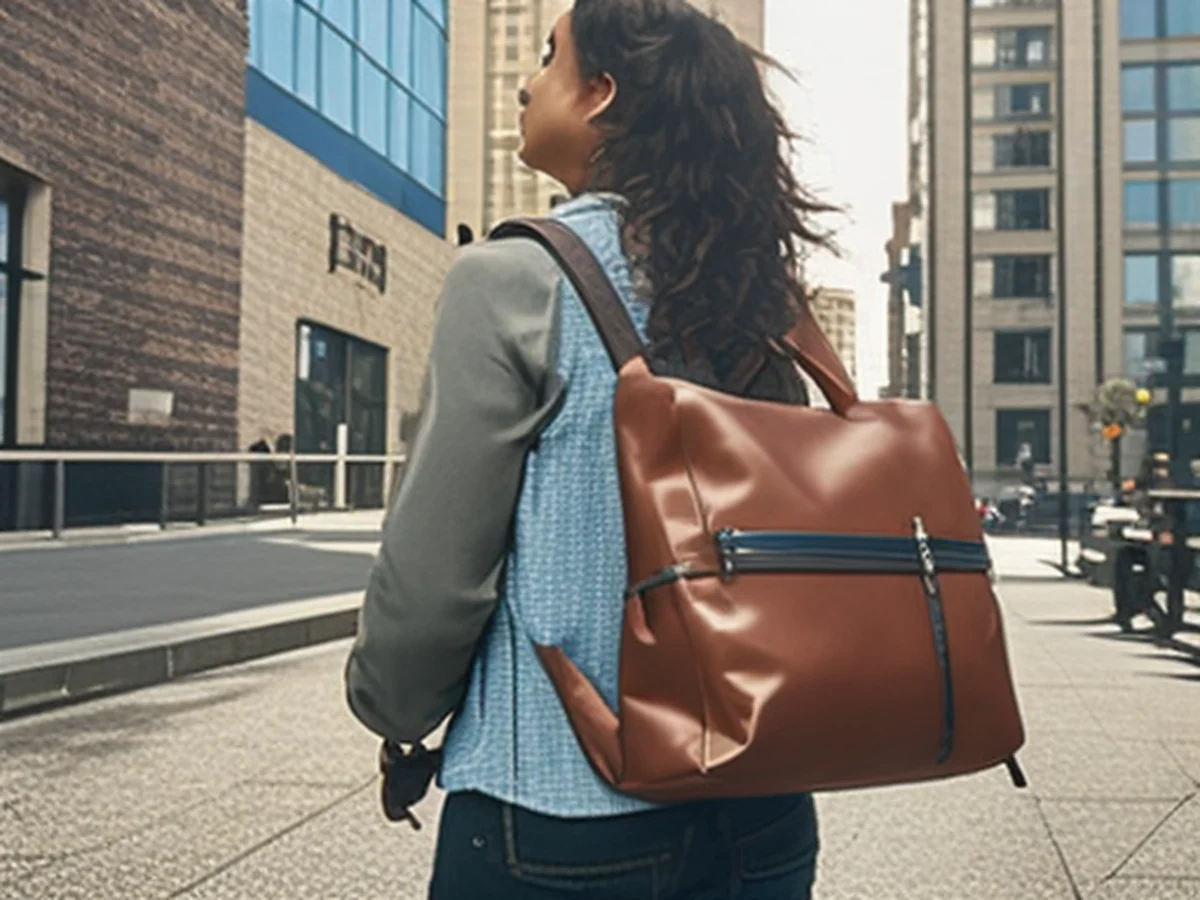
However, when commuting with books or attending a meeting, it's important to consider the shape of the bag and use it as an appropriate "container." For example, backpacks can cause posture problems because the upper body is tilted forward when walking.
In such cases, it's better to choose a "functional backpack" with adjustable shoulder straps and pockets on the back.
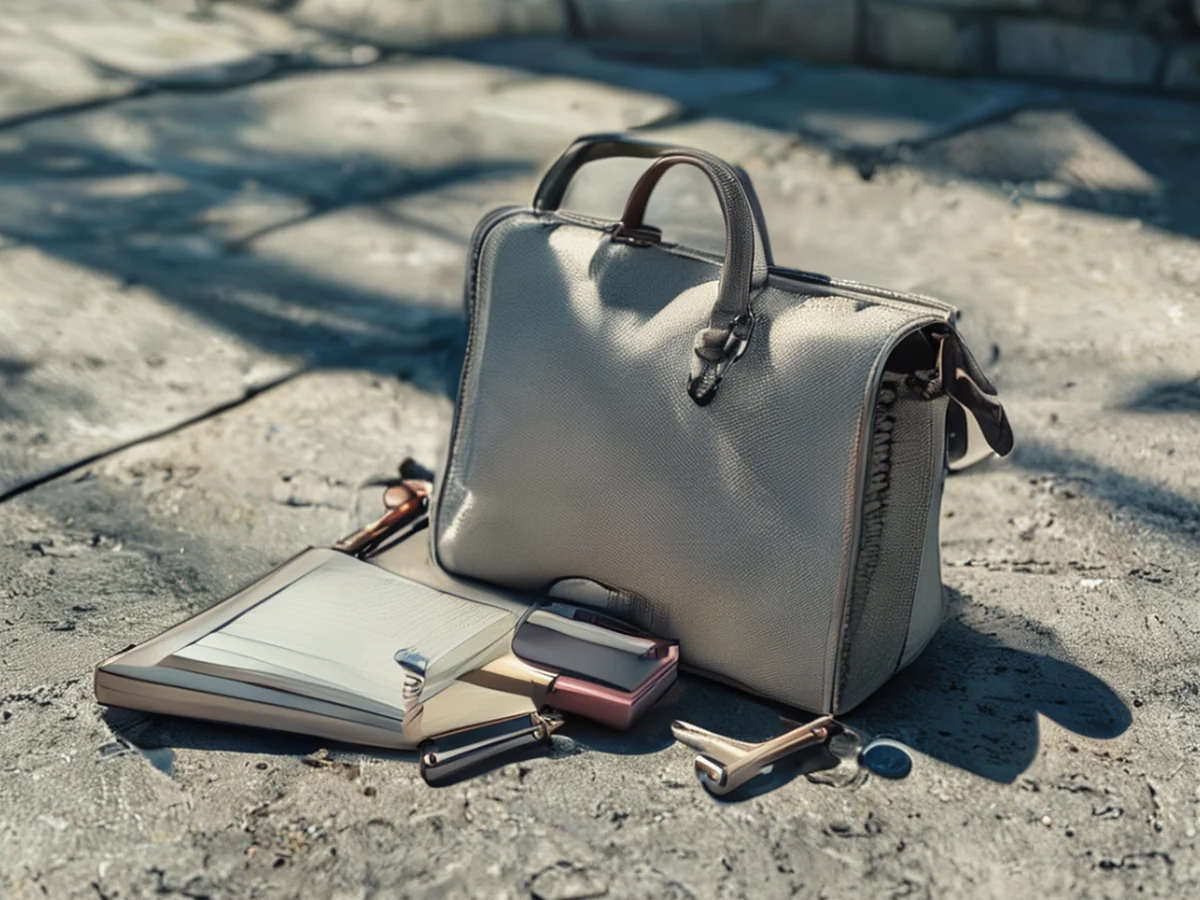
Also, the "handle height" is important. A long handle can strain your shoulders, while a short handle can be difficult to carry. Especially when shopping or exercising, structures like belt-style handles with "snap buckles" that can be quickly detached and attached are convenient.
In this way, the shape should adapt to the user's "way of moving," and the design should complement that function.
According to the International Federation of Retail Associations' 2024 study, utility drives repeat purchases. Their research indicates that 72% of shoppers in 2022 preferred functional designs over purely aesthetic ones.
4. Check for 'Essential Storage Features' for Practicality
When choosing a bag, think about "what items" you need to carry. It's important to check for specific storage features. For example, a "work bag" should have a laptop pocket, compartments for documents, and a dedicated smartphone pocket.
Many bags today feature "multi-pockets," which allow you to separate small items, preventing confusion between cards, keys, and cash.
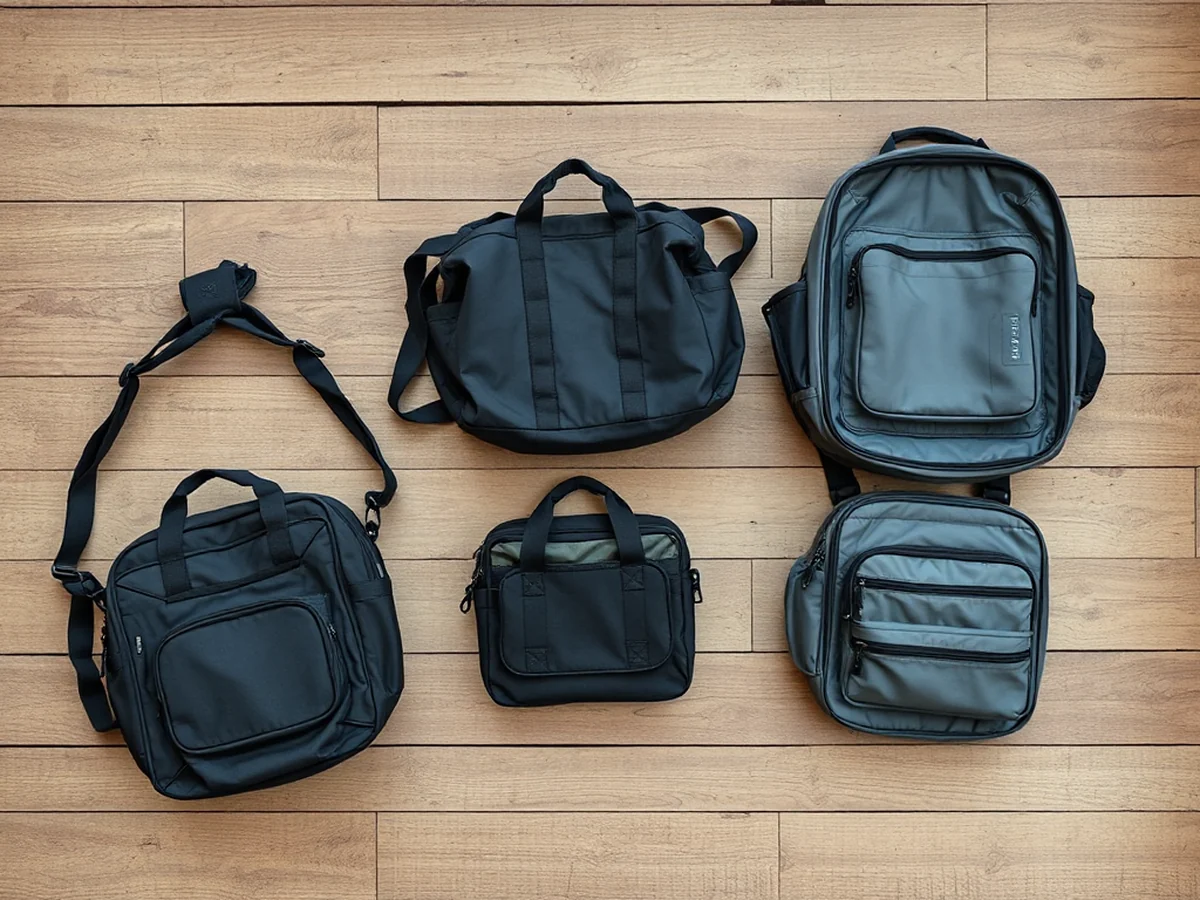
Also, it's important to check the internal structure of the bag in advance. For example, if the interior is just an empty space, items inside can sway or spill out because there are no pockets.
However, bags with removable compartments or drawstring closures allow you to organize items more effectively.
When traveling, many people prefer bags with "hidden wallet pockets" or "slots for water bottles."
Also, consider the "durability of hooks and straps." For example, shopper bags often have carabiners or strong metal attachments, which can make the strap prone to tearing.
In such cases, it's better to choose bags with "internal safety straps" or "straps made of soft materials." This helps maintain comfort even during extended use.
Ultimately, a bag is "meant to be used, not just shown off." While style is important, practicality should come first. When choosing a bag, ask yourself: "Is this really necessary?" Set up the items you need for your commute or trip, and choose a bag that fits those needs.
You're more likely to use it for longer and be satisfied with your choice.
According to the World Economic Forum's 2025 outlook, circular economy principles are reshaping product design. They note that by 2026, nearly 40% of major brands will focus on multi-purpose utility to reduce waste.
Quick Comparison
| Aspect | Item A: Bag Selection Focused on Concept | Item B: Bag Selection Focused on Practicality |
|---|---|---|
| Key Criterion | Style, appearance, emotional appeal | Capacity efficiency, durability, ease of use |
| Size Consideration | Large bag = practical; small bag = stylish | "Efficiency in storing items" takes priority over ideal size |
| Material Selection Criteria | Luxury feel, visual texture | Water resistance, durability, ease of cleaning, lightweight |
| Design vs. Shape | Nice shape is desirable | Shape must match usage habits and context |
| Storage Structure | Simple internal space | Includes separate pockets, dedicated laptop compartment, multifunctional design |
Comments 0