Bag design brand difference: Tips on hardware details
"Design is the silent language that communicates a brand's identity without a single word being spoken."
To distinguish a brand through bag design, you must examine structural silhouettes, material selection, and unique hardware or pattern details.
This guide explores how these elements serve as identifiers, though it is important to note that design protection laws vary significantly by region and era.
How can you identify a bag design brand difference?
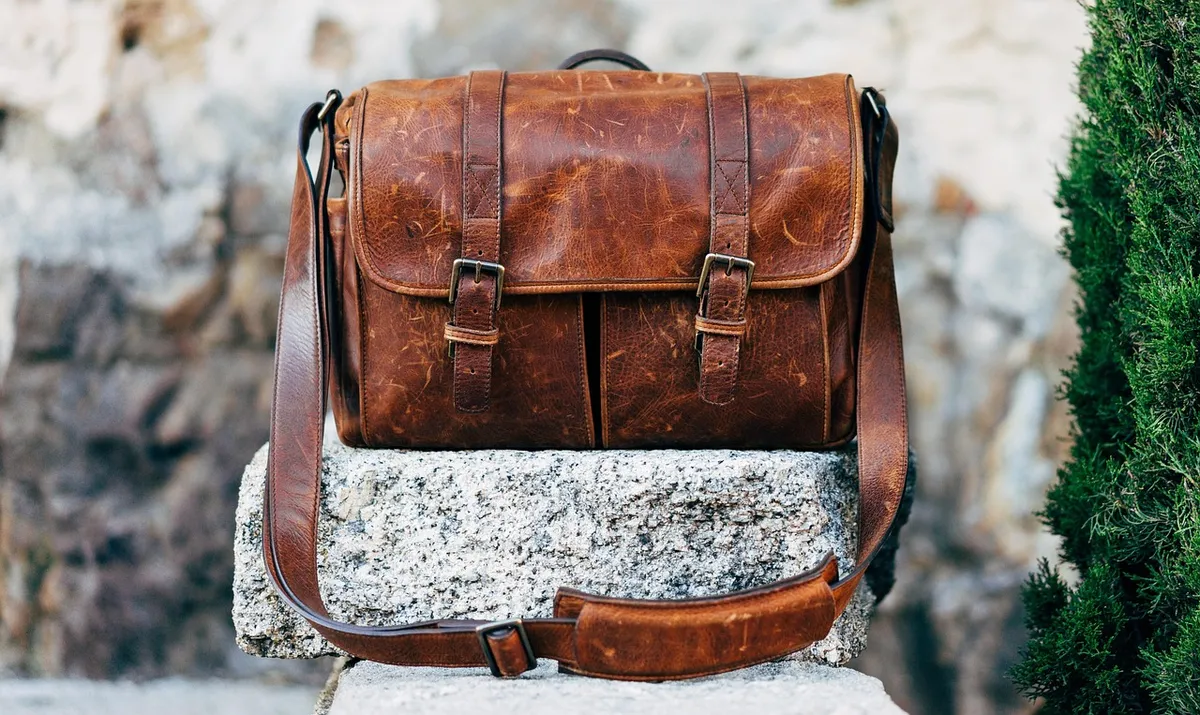
A designer picks up a leather satchel and traces the stitching to see if the construction matches a specific house style. Identifying a bag design brand difference requires looking past the initial color and focusing on the fundamental architecture of the piece.
The relationship between shape and brand identity is often established through permanent silhouettes that remain recognizable across decades. While trends shift, certain geometric proportions become synonymous with specific luxury houses.
You can identify these by looking at how the weight is distributed and how the lines interact with the human body.
The concept of protecting these visual identities has a long history. For instance, in 1876, Germany began protecting fashion patterns as in addition to models. This historical precedent shows that the visual elements of a product have long been considered unique intellectual property.
What makes a bag design work?
At dusk, he lifts the heavy leather satchel to feel how the ergonomic design works against his shoulder. A collector examines the metal clasp of a vintage handbag, noting the weight and the specific engraving. Understanding the key elements in bag design involves analyzing the interplay between form, function, and ornamentation.
One primary element is the silhouette, which acts as the visual fingerprint of the brand. Another is the material, where the choice of grain, texture, or synthetic composition tells a story of quality and intent.
Finally, the hardware serves as a punctuating detail that can instantly reveal a manufacturer.
These elements often work together to create a cohesive aesthetic. When a brand uses a specific hardware shape or a signature leather finish, they are building a recognizable visual language. This language allows consumers to recognize the brand even when the logo is absent.
How do you use bag design unique traits to spot authenticity?
An enthusiast holds a bag under bright light, searching for the specific way the leather folds at the seams. Using bag design unique traits to spot authenticity involves a meticulous inspection of small, repeatable details.
Brands often employ specific stitching patterns or tension levels that are difficult for mass-market imitators to replicate perfectly. These unique traits are often the result of specialized machinery or handcrafted techniques passed down through generations.
If a design element feels inconsistent with the brand's known quality, it may be a deviation from their standard.
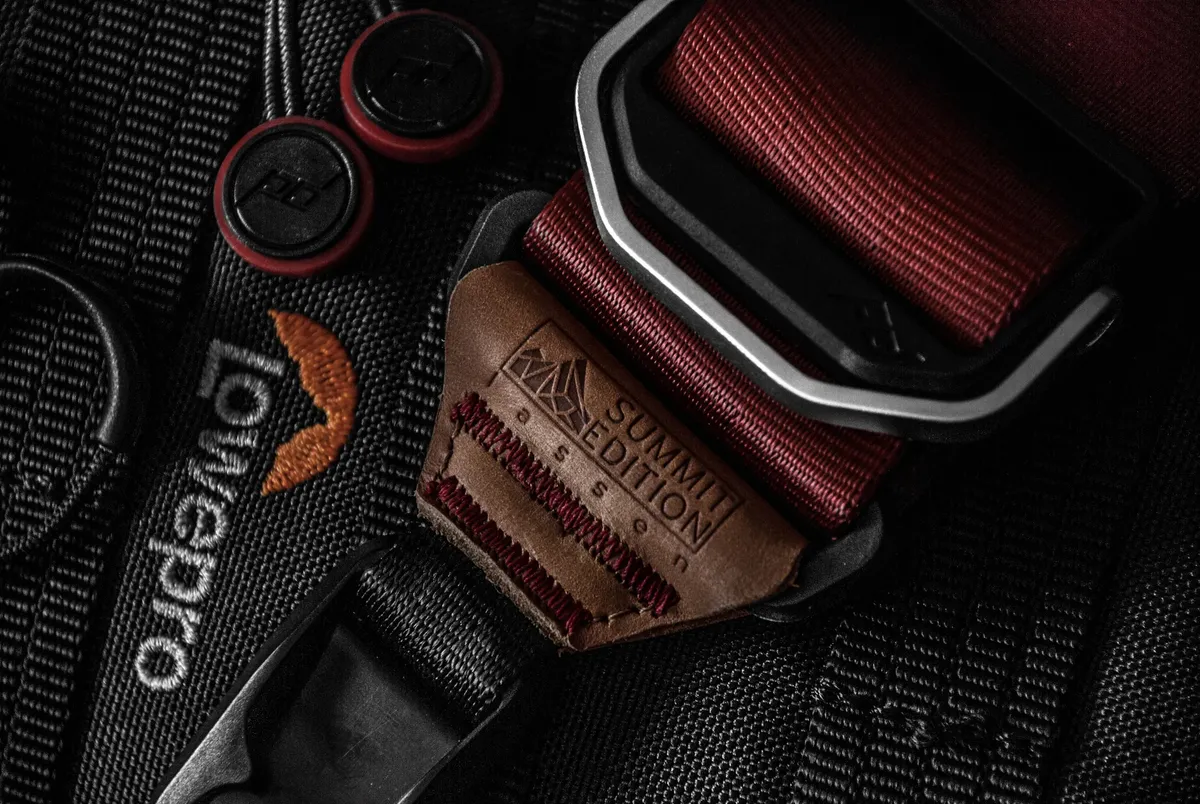
The protection of such designs has evolved through international cooperation. According to the World Intellectual Property Organization, as 2007 came to a close, the organization had registered twenty-nine international designs.
This indicates an organized effort to manage how unique visual traits are recognized globally.
Can I tell a bag's era by its design? A researcher flips through a catalog of mid-century accessories, comparing old sketches to modern retail pieces. To distinguish bag by design, one must understand how historical patterns and modern regulations intersect.
Patterns and motifs are often the most recognizable aspect of a brand's visual identity. Some brands use specific geometric prints, while others rely on unique embossing techniques. These patterns are often legally protected to prevent unauthorized reproduction.
In 2002, European regulation on designs that were new and provided an aspect of fresh character or aesthetic were brought under protection. This regulatory environment ensures that the specific aesthetic qualities of a design can be legally defended.
What is the role of material in bag design key elements?
A tailor touches the surface of a high-end leather bag, feeling the thickness and the natural oils in the hide. Within the broader context of bag design key elements, material selection is a foundational pillar of brand identity.
High-end brands often source specific leathers that provide a distinct scent, feel, and aging process. This tactile experience is a critical part of the brand's ability to communicate luxury.
The way a material responds to use—such as developing a patina—can be a signature characteristic of a brand's product line.
| Feature | Brand Identity Impact |
|---|---|
| Silhouette | Provides immediate shape recognition |
| Hardware | Acts as a signature visual accent |
I once spent an afternoon comparing the weight of different metal clasps to see how they influenced the overall feel of a designer bag.
Is there a limitation to recognizing brands through design?
A shopper looks at a wide variety of bags in a department store, noting how many look similar. A limitation to identifying brands is that design trends can sometimes mask individual brand identities, making it difficult to distinguish between contemporary labels.
While we look for unique traits, the industry often moves through cycles of similarity. For example, if many brands adopt a specific minimalist silhouette at the same time, the unique identifiers become harder to isolate.

The ability to distinguish a brand through design is also limited by the scope of legal protections. Not every design element is unique enough to be protected, meaning many brands may share similar aesthetic directions without infringing on specific copyrights.
- How can you identify a bag design brand difference?
- What are the key elements in bag design?
- How do you use bag design unique traits to spot authenticity?
The same subject is also called Identify bag brand style.
This part also covers Bag design comparison guide.
This part also covers Three factors in bag style.
This part also covers Choosing the right bag design.
Bag design comparison guide
Related



Comments 0