Bag's role in daily life: Tips for load exceeding 20 kg
"A bag is not just a container; it is a tool designed to balance weight, volume, and the physical demands of human movement."
This guide explores how different volumes and frame designs serve unique roles, from lightweight running packs to heavy-duty trekking gear.
Key takeaways: 1. Volume varies significantly by activity, from under 2 L for running to over 65 L for trekking. * Frame designs like external frames provide better weight distribution for loads exceeding 20 kg. 2. Properly selected packs can reduce discomfort in the neck, shoulders, and lumbar regions.
How does volume affect the bag's role in daily life?

At dawn, I tighten the straps of my small pack to ensure its role remains light during my morning run.
Selecting the right size ensures that the gear does not hinder movement during high-intensity activities.
For instance, running hydration packs are the smallest and lightest, with many under 2 L and most under 6 L.
In contrast, cycling hydration packs typically range from 6–10 L and sit high on the back to maintain stability.
Daypacks are relatively small, averaging 10–30 L, while trekking and hiking hydration packs are generally the largest and heaviest. These larger packs often range from 35–65 L and above. Understanding these scale differences helps in selecting a tool that matches the physical environment.
Why is structural design important for bag uses every day?
High on the mountain trail, I adjust the heavy frame to maintain its stabilizing role against my aching shoulders.
A hiker adjusts a heavy frame while standing on a steep mountain trail. The structure of the bag determines how the weight is felt by the body during movement.
Bag uses every day often require specialized support to manage heavy loads. External frame packs were designed to carry heavy loads above 20 kg, providing the wearer with more support and protection than a simple, framless strapped bag.

This design allows for better weight distribution across the body.
In specialized scenarios, such as units entering combat situations, packs may be loaded heavily and can weigh in excess of 100 lb. Without a proper frame or distribution system, such heavy loads could cause significant physical strain. The design must match the weight to maintain user stability.
What are the different daily bag needs for different activities?
A cyclist pulls a water bottle from a pack while pedaling through a city park. Each activity requires a specific balance of capacity and ergonomics.
Daily bag needs are dictated by the user's movement and the necessity of the contents. For runners, the priority is minimal weight, whereas cyclists need a specific volume that sits high on the back. For those on longer treks, the capacity must accommodate much larger volumes.
| Pack Type | Common Volume Range |
|---|---|
| Cycling Pack | 6–10 L |
| Daypack | 10–30 L |
The table shows how capacity scales with the activity. While a cyclist uses a compact volume, a daypacker requires more space, and a trekker requires the most.
How to use your bag for maximum comfort?
A student adjusts the shoulder straps of a backpack before walking to class. Proper adjustment is the difference between a functional tool and a source of pain.
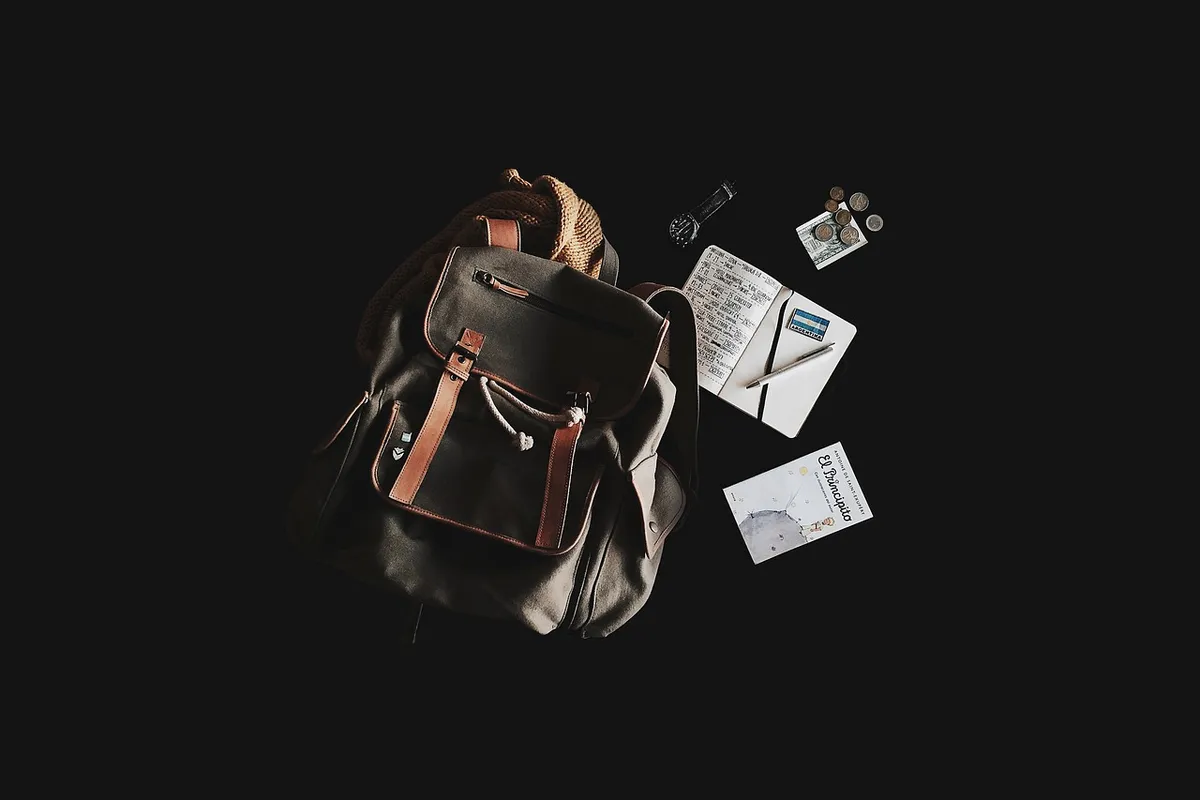
How to use your bag effectively involves understanding how weight affects the body. When using a modified backpack, some subjects believed that discomfort decreased for muscles in the neck, shoulder, and lumbar regions. Proper fit is essential to prevent muscle strain.
- Match the volume to the activity to prevent unnecessary weight. 2. Utilize frames for loads exceeding 20 kg to ensure better weight distribution. 3. Adjust straps to ensure the load is stabilized against the body.
I noticed during my own gear adjustments that a well-fitted pack significantly changes how the weight sits on the shoulders. Always check the fit after loading the pack to ensure the center of gravity remains stable.
What is the bag's function now in terms of health?
A walker feels the weight of a pack while stepping onto a treadmill. The relationship between the load and the body's comfort is a primary concern for users.
Bag's function now extends to managing physical fatigue and discomfort. According to questionnaire reports, more than 80% of participants believed that backpack discomfort in the neck and legs was low during certain movements. This suggests that proper ergonomics can mitigate common complaints.
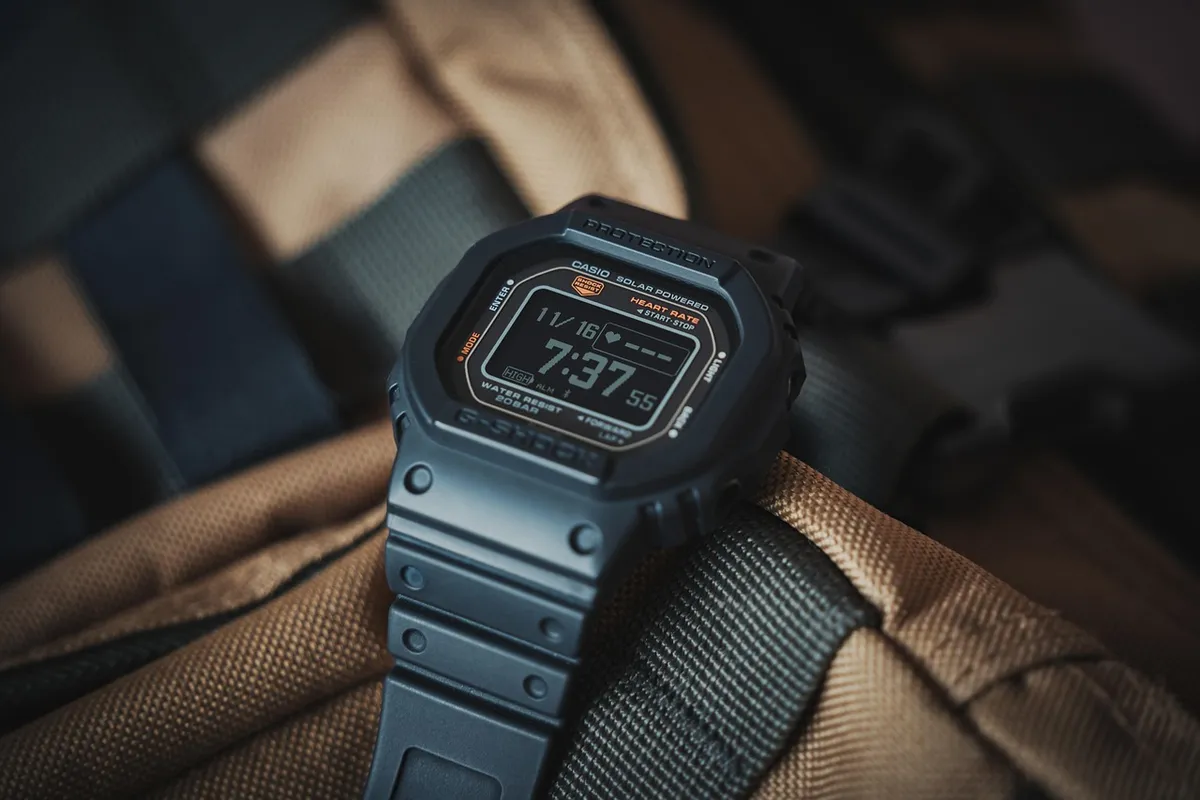
However, the weight and design must be appropriate for the user's physical condition. A limitation is that the comfort reported in studies may vary depending on the specific physical condition of the user and the specific load being carried.
- Choosing the right bag depends entirely on the specific activity and the load requirements of the user.
- A person reaches for a small pack while preparing for a morning jog.
- The bag's role in daily life changes based on the intended volume and use case.
The subject here is Bag's role in daily life.
The same subject is also called What bag is for.
This part also covers Bag contents explained.
This part also covers Why we need bags.
Related
- Fresh bag design trends: How to guide your lifestyle
- Starbucks corduroy bag style: Best bag from Starbucks guide
When is the bag functioning as a mere container?
When the bag is merely functioning as a container, its structural elements are secondary to its primary purpose of holding items. This occurs when the load is minimal and the activity does not demand dynamic support from the pack's frame or suspension system.
The bag serves its basic function of holding contents without requiring the advanced load management provided by a well-engineered frame.
Are there instances where the bag acts solely as a container?
Yes, if the activity is simple storage rather than active transport, the bag defaults to its container role. For example, a bag used briefly to hold items without movement requires less of the advanced features mentioned in the guide.
The bag, in its simplest form, is a container holding items until they are needed for the activity. This contrasts sharply with its role as a tool, which actively manages the load during movement.





Comments 0