Material guide: Authentic bag material guide
"Authenticity is often woven into the very fibers of the materials used, where the weight of the grain and the strength of the seal tell a story of quality."
To determine if a bag is genuine, you must examine the physical integrity of the materials, the strength of the closures, and the consistency of the texture. This guide focuses on identifying high-quality material standards and the structural elements that signify genuine craftsmanship.
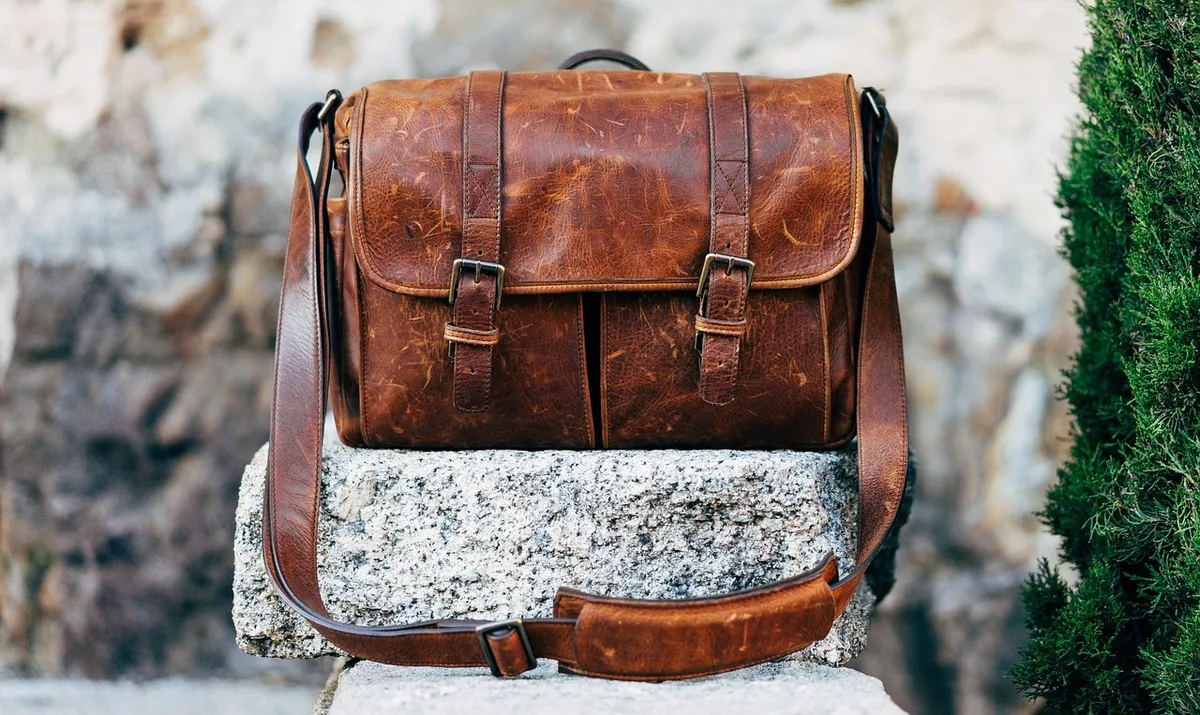
Key takeaways include inspecting tape strength for shipping integrity, verifying material density, and checking the precision of hardware and closures.
How can you verify bag material quality?
A person stands in a brightly lit showroom, running their fingers over the smooth surface of a high-end leather bag to feel for inconsistencies. They look closely at the edges where the material meets the stitching to ensure there is no fraying or uneven tension.
Authentic luxury items rely on superior material density and specialized packaging to maintain their condition during transit.
For instance, when shipping items in a corrugated box, using a wider and stronger closure tape, such as 3-inch or 72 mm reinforced gummed tape or pressure-sensitive tape, can protect the integrity of the luxury packaging.
Ensuring the external packaging is as robust as the internal product is a common standard for high-end logistics.
A real bag material check involves looking for the natural variations that define premium skins versus synthetic imitations. While synthetics often look too perfect, genuine materials possess a unique character that responds to touch and light.
- Inspect the grain pattern for consistency across the entire surface.
- Feel the texture to ensure it matches the expected weight and suppleness.
- Check the edges for even dye application and smooth finishing.
What are the signs of genuine bag material? Authentic bag material guide
As evening light hits the display, I lift the heavy bag to feel the unique texture of the genuine material.
A collector carefully lifts a heavy leather handbag from a velvet display cushion, noting the weight and the scent of the hide. They observe how the light hits the grain, looking for the subtle depth found in natural textures.
Genuine bag material signs often manifest in the weight and the tactile response of the product. High-quality leather should feel substantial, not hollow or overly plastic-like, and it should regain its shape when pressed.
The way a material holds its structure against gravity is a primary indicator of its quality.
- Inspect the grain pattern for natural, non-repetitive textures that suggest genuine animal hides. 2. Check the thickness and weight of the material to ensure it meets the expected density of luxury standards. 3. Examine the edges and seams for clean cuts and secure bonding that prevent peeling or separation.
I remember checking the thickness of a vintage calfskin bag once, noting how the weight felt much more substantial than the lighter synthetic versions I had handled before.
| Feature | High-Quality Material | Low-Quality Imitation |
|---|---|---|
| Texture | Natural grain variations | Perfectly uniform/plastic look |
| Weight | Substantial and dense | Light and hollow feeling |
In this sequence, the first step is the most critical.
How to check material truth through structural integrity?
An expert uses a magnifying glass to inspect the junction where the handle meets the body of the bag, looking for reinforced stitching. They check the metal hardware to see if it feels heavy and well-integrated into the material.

Verifying the structural integrity helps confirm the authenticity of the material's application. A real bag material check focuses on how the material is bonded to the hardware and internal reinforcements.
If the material shows signs of stretching or thinning around the handles or corners, it may not be of the caliber expected from a luxury brand.
The relationship between the material and the hardware is crucial. If the leather or fabric is too thin to support the weight of the metal, it is unlikely to be a genuine high-end piece.
Can you compare bag material types?
A buyer holds two different bags, one made of exotic skin and one of pebbled leather, to compare the tactile differences. They press into the surface of each to see how the material recovers from the pressure.
Comparing bag material types requires an understanding of how different skins behave over time. Exotic leathers may be more delicate but possess a distinct rigidity, whereas pebbled leathers are designed for durability and a softer hand-feel.
Understanding these nuances is essential for an authentic bag material guide.
The durability of the material often dictates its intended use, with some skins meant for formal evening bags and others for daily utility. Analyzing these characteristics helps in identifying whether the material matches the bag's intended design and price point.
What are the limitations of material-based verification?

A person examines a bag under a single light source, realizing that shadows can sometimes hide imperfections or mimic textures. They wonder if the lighting in the room is affecting their perception of the material's color.
A limitation of this method is that highly advanced synthetic materials can sometimes mimic the weight and feel of genuine leather, making it difficult to distinguish them without specialized testing.
While visual and tactile inspections are helpful, they may not be sufficient if the imitation is of extremely high quality.
The same subject is also called Authenticity of bag stuff.
This part also covers Material authenticity guide.
Related
- Authentic luxury bag check: 2.5% trade scale guide
- Luxury bag investment value: Guide to brand legacy
How does the construction relate to authenticity?
The construction itself offers clues regarding the bag's true nature. A discerning buyer observes how the various components interact, looking for seamless integration rather than forced assembly. This attention to detail reflects the commitment to quality inherent in genuine luxury goods.
- The precision of the cuts and the tightness of the bonds speak volumes about the manufacturing standards employed. 2. The way the material supports the hardware indicates the structural soundness achieved during assembly.
The presence of well-executed construction suggests that the maker intended the bag to be a lasting piece, not a transient item. Such construction methods are hallmarks of pieces where authenticity is often woven into the very fibers of the materials used.

Comments 0